
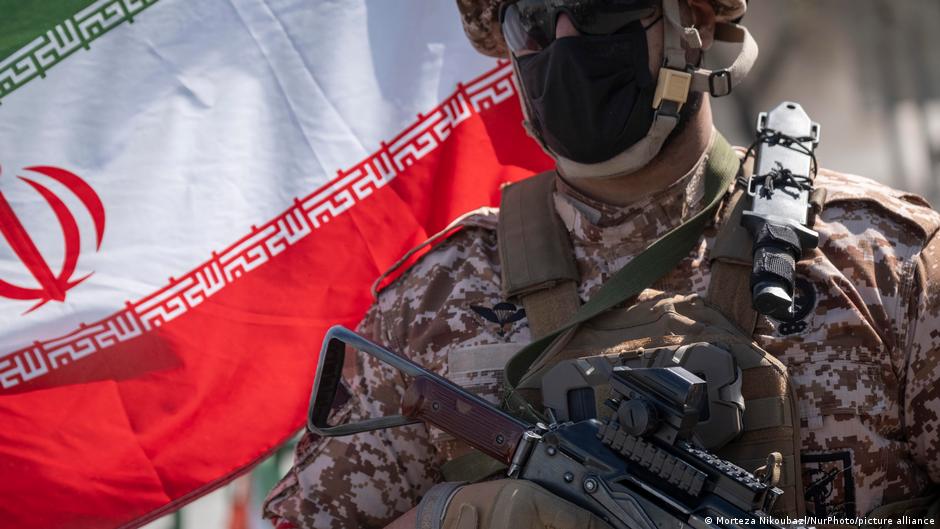
Iran Defies Trump Threats With Human Shields and Energy Warnings
US President Donald Trump is threatening to seize Iranian oil assets, specifically Kharg Island, as the conflict between the US, Israel, and Iran escalates. With Brent crude surpassing $116 and the Strait of Hormuz blocked, Iran has responded by deploying human shields and threatening long-term energy deprivation.
The global energy market is no longer reacting to diplomacy; it is reacting to the prospect of permanent asset seizure. We are witnessing a fundamental shift in US foreign policy—moving from the “maximum pressure” sanctions of the past to a “maximum acquisition” strategy. Here’s not merely a military campaign; it is a hostile takeover of sovereign energy resources.
The volatility is staggering.
Since the US and Israel launched their offensive against Iran on February 28, the cost of energy has decoupled from traditional market fundamentals. Brent crude, which sat around $73 per barrel prior to the attack, skyrocketed to $112.57 by late March and has now breached the $116 mark. This surge reflects a market that is pricing in the total collapse of the Strait of Hormuz, a chokepoint through which approximately one-fifth of the world’s oil supply flows.
The Venezuela Blueprint: From Sanctions to Seizure
President Trump is not improvising. He is applying a blueprint already executed in South America. In a recent interview with the New York Times, the administration’s logic became clear: the capture of Nicolás Maduro in January 2026 allowed the US to seek control of the Venezuelan oil industry “indefinitely.”

Trump now views Iran through the same lens. He has explicitly stated his desire to “seize the oil in Iran,” with a specific tactical focus on Kharg Island. Because Kharg Island manages nearly 90% of Iran’s petroleum exports, controlling this single geographical point effectively grants the US the keys to the Iranian economy.
The President’s rhetoric has shifted from regime change—which he claims was never the goal—to a pragmatic, profit-driven occupation. “If it depended on me, I would accept the oil, keep it, and make a lot of money,” Trump remarked on April 6. This admission transforms the war from a security operation into a resource grab.
For multinational corporations, this creates an unprecedented legal and operational vacuum. The sudden shift in sovereign control over energy assets means that existing contracts are worthless. Firms are now urgently engaging international trade lawyers to navigate the legality of asset seizures and the resulting vacuum in energy ownership.
The Iranian Counter-Strategy: Human Shields and Energy Blackmail
Tehran is not folding. Instead, it has pivoted to a strategy of asymmetrical deterrence. As the US threatens to “unleash hell” or return Iran to the “Stone Age,” the Iranian government has mobilized its population as a strategic asset.
Thousands of civilians have deployed themselves as human shields, forming massive chains around critical infrastructure, including power plants and bridges. By weaving the civilian population into the physical architecture of their energy grid, Iran is attempting to raise the political cost of US airstrikes to an unsustainable level.
Simultaneously, Iran is leveraging its only remaining high-value card: the Strait of Hormuz. Having already blocked the waterway, Tehran has issued an ultimatum demanding the opening of the strait by Tuesday, April 8. The threat is clear: if the US persists in its pursuit of Kharg Island, Iran will ensure that the world is deprived of its oil and gas “for years.”
This level of geopolitical instability makes traditional insurance and logistics impossible. Global shipping conglomerates are currently restructuring their routes and seeking out global risk consultants to quantify the probability of a total Middle Eastern energy blackout.
Macro-Economic Impact: Crude Price Volatility
The following table illustrates the aggressive climb of oil prices coinciding with the escalation of the conflict:
| Date/Event | Brent Crude (USD/Barrel) | WTI Crude (USD/Barrel) | Strategic Trigger |
|---|---|---|---|
| Pre-Feb 28 Attack | ~$73.00 | N/A | Baseline before US/Israel offensive |
| Late March 2026 | $112.57 | N/A | Initial war shock & Hormuz blockage |
| April 6/7, 2026 | $116.50 | $101.70 | Trump’s “seize the oil” declarations |
Whereas Trump has argued that Venezuelan oil could mitigate these disruptions, the market remains skeptical. The sheer volume of Iranian exports managed via Kharg Island cannot be easily replaced by a single alternative source without causing massive logistical bottlenecks.
The Power Vacuum in Tehran
The internal dynamics of Iran are in chaos. The “original leaders” of the regime have been decimated. The death of Supreme Leader Ali Khamenei, following the previous assassination of Qassem Soleimani, has left a void at the top of the Iranian power structure. While Trump claims this constitutes a “regime change,” the reality on the ground is a fragmented leadership clinging to power through desperation and civilian mobilization.
The US is currently operating in a high-risk environment, exemplified by the secret operation to rescue an American aviator from enemy territory. This blend of special operations and macro-economic warfare suggests that the US is prepared for a long-term presence in the region, regardless of the human or diplomatic cost.
As the ultimatum deadline of April 8 approaches, the global economy is holding its breath. The transition from a rules-based international order to one based on the physical seizure of resources creates a nightmare for global supply chains. Companies are no longer just looking for efficiency; they are looking for survival, onboarding supply chain strategists to build redundancies that can withstand the permanent loss of the Persian Gulf’s output.
The chessboard has shifted. We are no longer discussing sanctions or diplomatic treaties; we are discussing the physical ownership of the earth’s remaining energy reserves. As the line between statecraft and corporate acquisition blurs, the only certainty is that the cost of doing business in a world of “seizure-based diplomacy” will be exponentially higher. To navigate this era of volatility, firms must secure the most sophisticated legal and financial partners available through the World Today News Directory.