
Iran Conflict: Markets Price Diplomacy Despite Ongoing Risks | Investing Guide
Markets React to Diplomatic Signals as Iran Conflict Continues
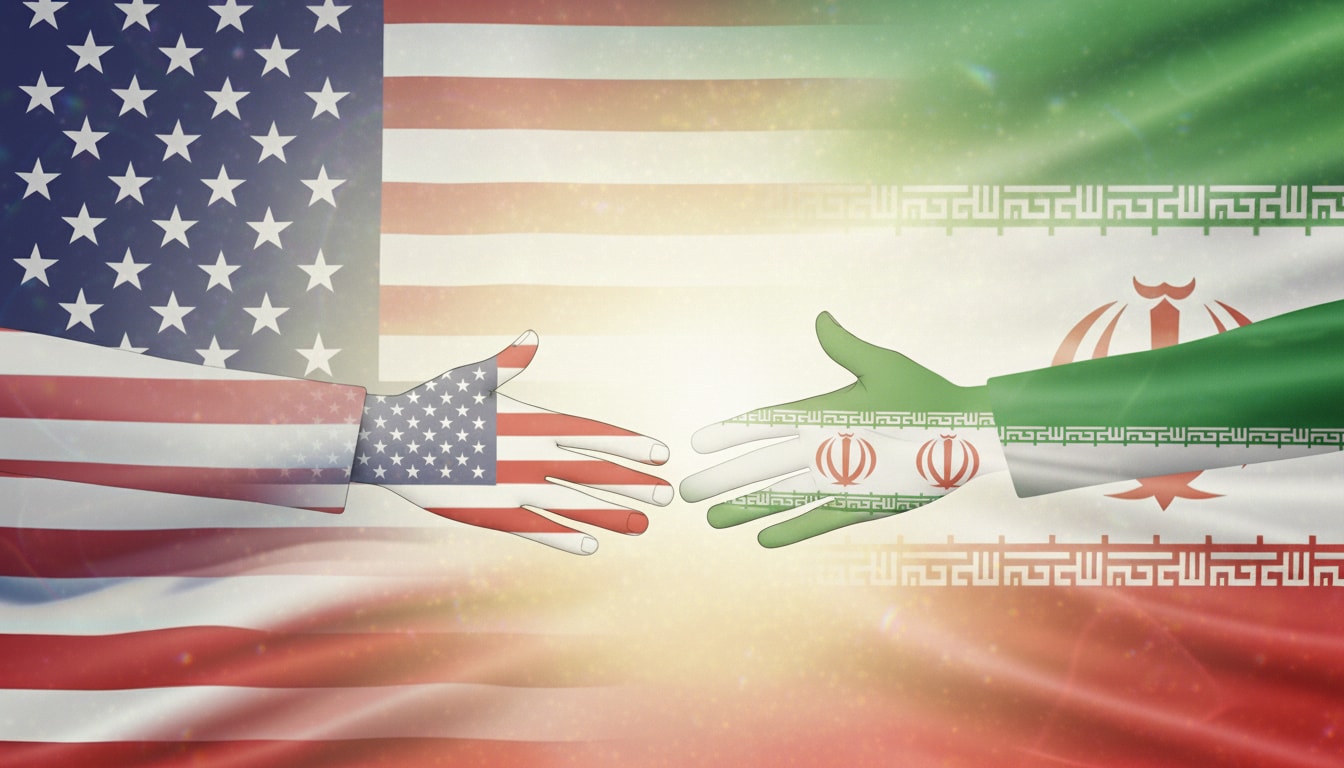
President Donald Trump announced Monday he was postponing military strikes on Iranian power plants for a five-day period, a move that triggered a significant surge in U.S. Stock markets and a dip in oil prices. The announcement, made on Trump’s Truth Social account, followed claims of “very good and productive conversations” between the U.S. And Iran regarding a resolution to hostilities in the Middle East.
The S&P 500 initially surged over 240 points, adding $2 trillion in market capitalization following Trump’s post, according to analysis from The Kobeissi Letter. However, Iranian officials swiftly denied any direct contact with the U.S., with a government source telling Fars News Agency that Trump “retreated after hearing that our targets would be all power plants in West Asia.” Iran’s Foreign Ministry echoed this denial, stating there were no ongoing talks between the two countries, as reported by the semi-official Mehr News Agency.
The initial market rally quickly retraced some gains after Iran’s denials, with the S&P 500 falling 120 points, erasing $1 trillion in market cap. This resulted in a $3 trillion swing in market capitalization within 56 minutes, highlighting the sensitivity of markets to perceived shifts in geopolitical risk. NBC News reported that the S&P 500 ultimately closed up 1.1% and the Nasdaq Composite ended the day higher by 1.4%.
The Pentagon is preparing to deploy elements of the Army’s 82nd Airborne Division to the Middle East, according to two sources cited by CBS News. The Trump administration has indicated that several officials, including Vice President JD Vance, Secretary of State Marco Rubio, and envoys Steve Witkoff and Jared Kushner, were involved in discussions with Iran, though the nature and timing of these conversations remain unclear.
Despite Iran’s public denials, analysts suggest that backchannel negotiations may be underway. Iran has a strategic incentive to maintain pressure on energy markets and shipping routes, as this provides leverage in any potential negotiations. The Strait of Hormuz, a critical transit point for global oil supplies, remains gridlocked, prompting the International Energy Agency to warn of a “major, major threat” to the global economy.
Experts caution that even if a ceasefire is reached, it could seize months to fully reopen the Strait of Hormuz, as noted in NBC News reporting. Markets, however, often react to the perceived probability of de-escalation before a formal agreement is in place. This dynamic suggests that investors are assessing which sectors and markets have been most heavily discounted by escalation fears and may be poised for a rebound if the risk of further conflict diminishes.
Asian equity markets, particularly in North Asia, which are highly sensitive to energy prices, may be among the first to stabilize if crude oil prices ease. Transport, airline, and logistics companies, which have been negatively impacted by rising fuel costs, could also see a relief rally. Consumer cyclicals, which have been hurt by stagflation fears, may benefit from a moderation in oil prices. Rate-sensitive growth stocks, particularly those outside the most crowded mega-cap names, could also see a positive impact if bond yields stabilize.
European industrial and export names, which have been vulnerable to both the energy shock and weaker global demand, may also experience some relief. Sovereign bonds and quality duration assets could see a tactical improvement in sentiment if oil prices retreat and inflation fears cool. Emerging markets with larger external vulnerabilities may also recover if the dollar weakens and yields stabilize. Gold miners and broader mining sectors could benefit from an improvement in risk sentiment, even without a significant move in spot prices.
The conflict has also reinforced the importance of energy security, potentially driving investment in areas such as electrification, nuclear power, grid infrastructure, and renewable energy sources. While these themes may not see an immediate response in a relief phase, they could attract greater medium-term attention as investors prioritize energy diversification and strategic industrial policy.
Despite the potential for a relief rally, analysts caution against assuming a return to normalcy. Public diplomacy can fail, oil prices can reverse, and shipping disruptions can persist. Central banks may also have limited room to ease monetary policy. The situation remains fragile, and investors should avoid overreacting to short-term developments.
As of Wednesday, March 25, 2026, Iranian military officials mocked U.S. Attempts at a ceasefire deal, stating that the Americans were “negotiating with themselves,” according to CBS News. Lt. Col. Ebrahim Zolfaghari, a spokesperson for the Iranian military, reiterated that Iran would not come to terms with the U.S., “not now, not ever.”