
Iran Attacks & LNG Prices: Europe Impact & Winter Outlook
Iranian missile strikes on QatarEnergy’s Ras Laffan LNG hub have triggered a surge in natural gas prices, though the impact on European markets is expected to be less severe than during the height of the Ukraine conflict. The attacks, which began on March 2nd and continued with a second strike on Wednesday, March 19th, have prompted QatarEnergy to halt production of liquefied natural gas (LNG) and associated products.
Benchmark Dutch and British wholesale gas prices rose nearly 50 percent in the immediate aftermath of QatarEnergy’s initial announcement, according to Al Jazeera. However, prices remain significantly below the peaks seen in 2022, a difference attributed to higher-than-average storage levels across Europe. Despite this, the disruption to supply from one of the world’s largest LNG exporters has injected volatility into the market.
QatarEnergy stated that the attacks on facilities in Ras Laffan Industrial City and Mesaieed Industrial City caused “extensive damage” to several LNG facilities, including Shell’s Pearl gas-to-liquids plant. The company estimates a 17% reduction in LNG export capacity and a potential loss of $20 billion in annual revenue. Repairing the damage is expected to take up to five years, further constricting global supply.
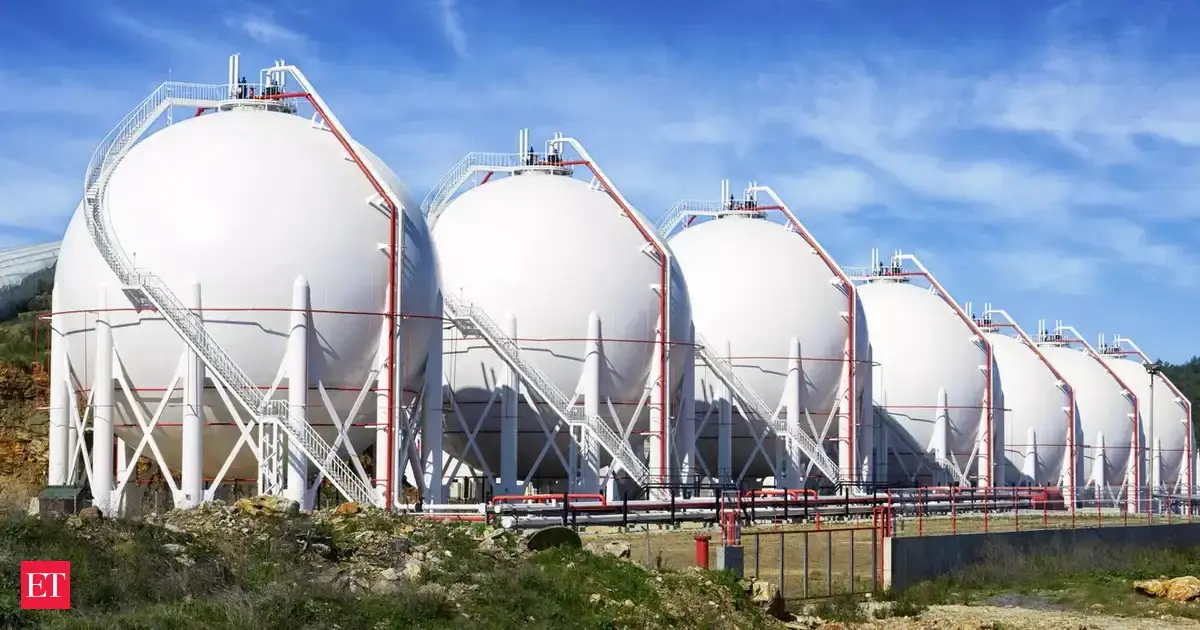
Ras Laffan Industrial City, located 80km northeast of Doha, processes approximately one-fifth of the world’s LNG supply. The hub also houses a gas-to-liquids plant, LNG storage facilities, and an oil refinery. The attacks targeted a water tank at a power plant in Mesaieed and an energy facility within Ras Laffan, though no casualties were reported, according to Qatar’s Defence Ministry.
The strikes are widely understood to be retaliatory for recent Israeli attacks on Iranian petrochemical complexes. The escalation follows a pattern of attacks across the region, including explosions reported in Qatar, the UAE, and Kuwait. A British military base in Cyprus was also reportedly targeted in a suspected drone attack.
Wood Mackenzie analysts report that the latest strikes on Ras Laffan “fundamentally” alter the global natural gas market outlook, suggesting that disruption to supply is likely to last longer than two months. The attacks have also raised concerns about the security of energy infrastructure in the Middle East, particularly given the ongoing conflict and the strategic importance of the Strait of Hormuz, through which a significant portion of Qatari LNG is transported.
The European Union is considering capping natural gas prices to mitigate the impact of rising costs, according to CNN. Benchmark Asian LNG prices jumped almost 39 percent following the initial announcement of the production halt. The situation is further complicated by the existing blockade impacting QatarEnergy’s exports.
QatarEnergy has not yet provided a detailed assessment of the full extent of the damage or a timeline for resuming full production capacity. The company has stated that an official statement detailing the damages and losses will be issued following a comprehensive evaluation by relevant authorities.