
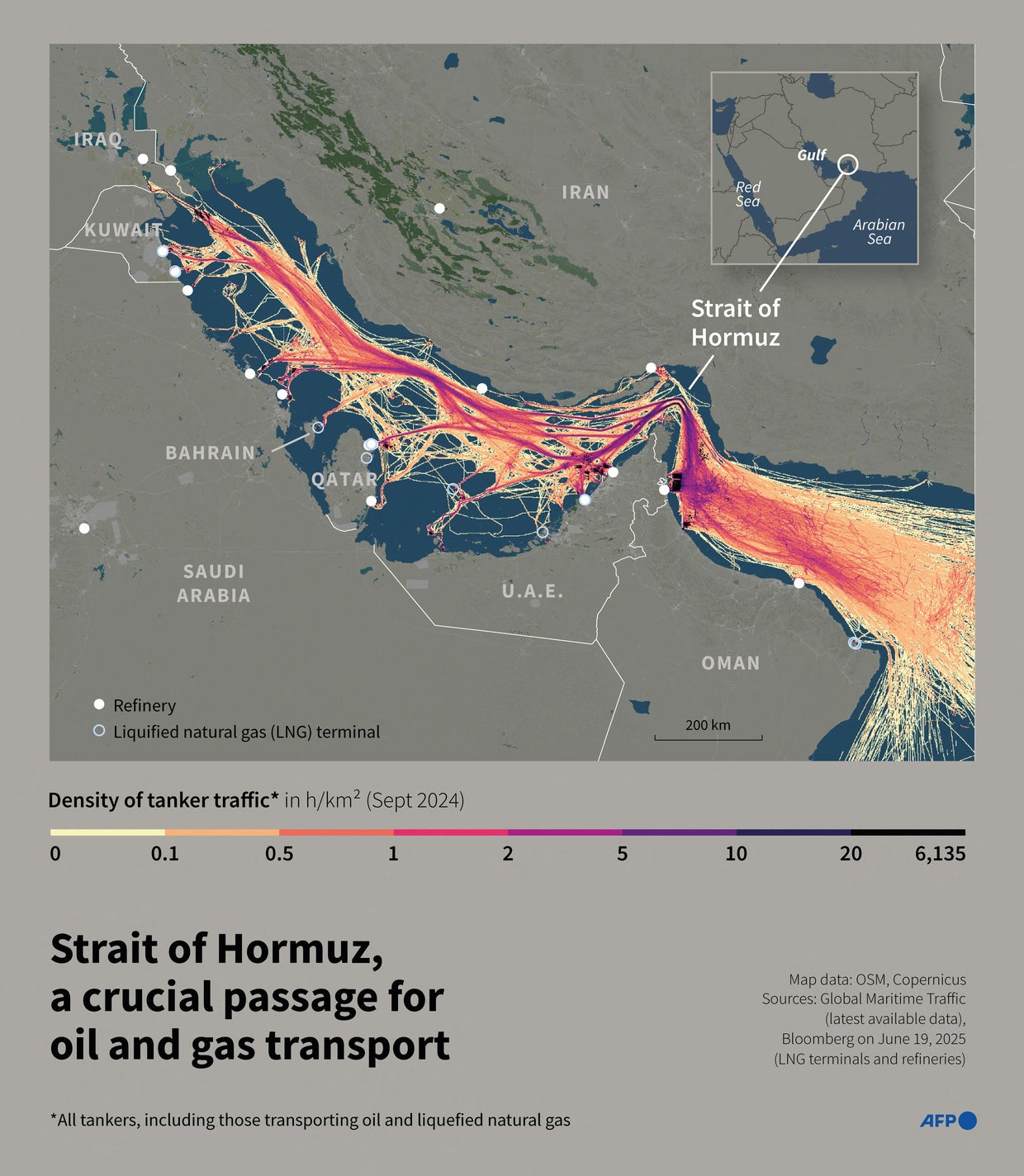
Iran Allows Vessels But Shipping and Energy Risks Persist
Iran’s restriction of Strait of Hormuz traffic escalates geopolitical risk premiums, disrupting 20% of global oil flow. Shipping insurers raise rates while energy traders hedge against supply shocks. Corporate logistics teams must immediately audit supply chain resilience and secure specialized risk mitigation partners to maintain fiscal stability.
This isn’t just a headline; it represents a direct assault on EBITDA margins for any enterprise relying on Middle Eastern energy imports or East-West shipping lanes. When a chokepoint this critical tightens, the ripple effect bypasses the news cycle and hits the balance sheet. Freight rates spike overnight. Insurance underwriters invoke war risk clauses. Legal teams scramble to interpret force majeure provisions in existing contracts. The immediate fiscal problem is liquidity strain caused by unexpected operational expenditures. The solution lies in proactive engagement with specialized enterprise risk management firms capable of modeling geopolitical exposure before it becomes a write-down.
The Insurance Spiral and Energy Hedging
Market reaction to the Strait closure threat was instantaneous. Protection and Indemnity (P&I) clubs have already signaled adjustments to premium structures for vessels transiting the region. This moves the cost burden directly onto charterers and commodity traders. Energy companies are not waiting for spot prices to settle; they are activating hedging instruments to lock in costs. According to data patterns historically tracked by the International Energy Agency, disruptions in this corridor typically add a risk premium of $5 to $10 per barrel to Brent crude within the first 48 hours of sustained tension.

Corporate treasurers face a dual threat. Rising input costs compress gross margins, while volatility undermines investor confidence. Firms with exposed supply chains need to look beyond simple futures contracts. They require structured finance solutions that account for prolonged disruption. This is where standard corporate banking falls short. Navigating these waters demands partners who understand the intersection of maritime law and derivatives trading. Without specialized counsel, companies risk violating sanctions or voiding insurance policies through technical non-compliance.
“When a chokepoint like Hormuz tightens, the ripple effect bypasses the news cycle and hits the balance sheet. Freight rates spike overnight.”
Institutional investors are watching closely. Portfolio managers are reassessing exposure to logistics-heavy sectors. The consensus among analysts is that companies with diversified routing options will outperform those locked into single-corridor dependencies. This shift in capital allocation highlights the value of supply chain visibility. You cannot hedge what you cannot see. Real-time tracking and alternative routing protocols are no longer luxury features; they are fundamental requirements for capital preservation.
Three Structural Shifts for Q2 and Beyond
The current tension is not a temporary blip. It signals a structural change in how global trade calculates risk. Corporate strategists must adjust their operational models for the upcoming fiscal quarters. The following shifts will define profitability for importers and exporters alike:
- Revised Insurance Architectures: Standard marine cargo policies will exclude war zones by default. Companies must procure separate risk coverage, increasing overhead. Engaging with specialized insurance brokers becomes critical to ensure coverage gaps do not expose assets to total loss.
- Legal Compliance Overhead: Sanctions regimes fluctuate rapidly during geopolitical crises. In-house legal teams often lack the bandwidth to monitor real-time regulatory changes across multiple jurisdictions. External corporate law firms with maritime sanctions expertise are necessary to prevent regulatory fines that dwarf shipping costs.
- Inventory Buffering: Just-in-time delivery models fail during chokepoint closures. CFOs must authorize higher inventory carrying costs to build safety stock. This ties up working capital but prevents revenue loss from stockouts, requiring careful cash flow management.
These adjustments require capital. They also require expertise. Trying to manage these shifts with generalist vendors increases the likelihood of costly errors. The market rewards specialization during crises. Firms that partner with niche providers see faster resolution times and lower compliance friction. This is the difference between weathering the storm and capsizing.
Operational Resilience as a Competitive Moat
While competitors panic, disciplined organizations use this volatility to gain market share. The key is speed of adaptation. When shipping lanes close, the value of logistical intelligence skyrockets. Companies that can reroute cargo through alternative corridors—such as the Cape of Good Hope or pipeline networks—maintain service levels while others stall. This capability relies on deep industry networks. It depends on relationships built before the crisis hits.
Consider the cost of delay. A vessel stuck at anchor burns fuel without generating revenue. Port congestion fees accumulate daily. These are direct hits to operating income. Mitigating this requires a robust network of logistics providers who prioritize client cargo during bottlenecks. General freight forwarders often lack the leverage to secure priority handling. Tier-one logistics partners do. The premium paid for their services is an investment in revenue continuity.
Regulatory bodies are also tightening scrutiny. The International Maritime Organization continues to update safety and compliance standards in response to regional instability. Non-compliance results in detained vessels and seized cargo. The financial impact extends beyond the immediate loss; it damages credit ratings and insurer relationships. Proactive compliance audits are essential. They identify vulnerabilities before regulators do.
“The consensus among analysts is that companies with diversified routing options will outperform those locked into single-corridor dependencies.”
Transparency remains the ultimate hedge. Investors punish uncertainty more than bad news. Clear communication about supply chain contingencies stabilizes stock prices. This narrative control requires coordination between investor relations, operations, and legal teams. Siloed information leads to contradictory messaging. Unified command structures prevent this. They ensure that every public statement aligns with the actual operational reality on the ground.
The Strait of Hormuz situation will evolve, but the lesson remains static. Geopolitical risk is a line item on every P&L statement. Ignoring it is negligence. Managing it requires the right partners. As volatility defines the rest of the fiscal year, corporate leaders must vet their vendor lists. Ensure your risk management, legal, and logistics providers have the depth to handle escalation. The World Today News Directory aggregates these vetted B2B partners, connecting enterprises with the specific expertise needed to navigate complex market disruptions. Secure your supply chain before the next headline breaks.