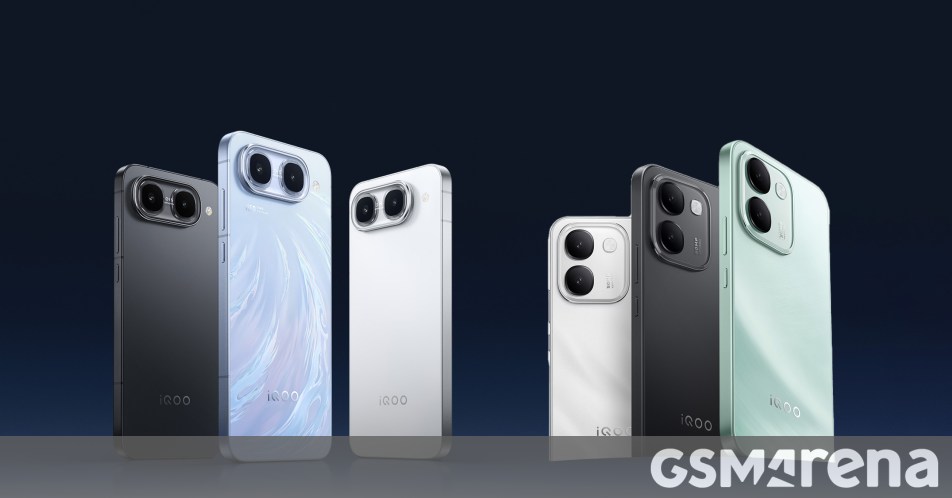
iQOO Neo11 Ultra and Z11 Series Launch Details and Specs
iQOO Neo11 Ultra and Z11S Hardware Debuts: Enterprise and Consumer Mobile Architecture Analysis
The mobile hardware landscape shifted significantly in China with the official debut of the iQOO Neo11 Ultra and the Z11S, accompanied by concurrent international launch disclosures for the Indian market regarding the Z11 and associated audio peripherals. According to FoneArena and GSMArena, the flagship Neo11 Ultra configuration integrates a massive 6.83-inch 2K 144Hz OLED panel, powered by a high-performance system-on-chip infrastructure alongside robust environmental durability ratings and an exceptional battery capacity. As engineering teams evaluate these devices for mobile workload deployment, understanding the precise silicon, thermal management, and software support frameworks becomes essential for enterprise mobility planning and consumer hardware lifecycle management.
The Tech TL;DR:
- Core Silicon & Display: The iQOO Neo11 Ultra features a 6.83-inch 2K 144Hz OLED display running on a Dimensity 9500M processor architecture, according to FoneArena.
- Power & Durability: Hardware specs include an expansive 9100mAh battery cell paired with an IP69 ingress protection rating, targeting heavy enterprise and gaming usage profiles.
- Regional Rollouts & Software: Per GSMArena and 91mobiles, the companion Z11 series details confirm specific camera parameters and defined software update policies tailored for regional demographics, such as student utility in India outlined by CEO Nipun Marya.
Silicon Benchmarks, Display Metrics, and Hardware Specifications
Evaluating high-density mobile silicon requires looking directly at clock speeds, thermal envelope management, and display controller refresh rates. The iQOO Neo11 Ultra leverages MediaTek’s Dimensity 9500M platform, driving a 2K resolution panel at a rapid 144Hz refresh rate. For developers profiling mobile rendering pipelines or running intensive local neural network models via the device’s NPU, these hardware specifications offer a compelling execution environment. According to device specification teardowns reported by FoneArena, the integration of an IP69 dust and water resistance rating marks a distinct architectural upgrade from standard consumer IP68 thresholds, allowing the chassis to withstand high-pressure, high-temperature washdowns—a critical metric for rugged field deployments.
Power delivery remains a primary bottleneck in mobile computing. By incorporating a 9100mAh battery module, the Neo11 Ultra addresses prolonged multi-threaded task execution without immediate thermal throttling or battery degradation. When scaling mobile applications or testing remote containerized instances via ARM-based testing rigs, developers frequently monitor thermal dissipation and voltage stability under peak load.
Software Update Lifecycle and Regional Configuration Management
Beyond the primary flagship hardware, the broader Z-series rollout brings distinct deployment parameters into focus. According to 91mobiles, official documentation confirms the camera specifications and software update policies for the iQOO Z11 prior to its India launch. Gadgets 360 notes that iQOO CEO Nipun Marya explained the design choices behind tailoring the device specifically for college student demographics, balancing cost efficiency with baseline performance requirements.
For IT infrastructure managers and mobile device management (MDM) administrators, understanding a manufacturer’s patch cadence is critical for maintaining SOC 2 compliance and mitigating vulnerability exposure. Devices lacking a transparent, long-term security update schedule introduce severe enterprise risk. When provisioning consumer-grade hardware for corporate Bring Your Own Device (BYOD) or corporate-owned, personally-enabled (COPE) structures, organizations must rely on rigorous vulnerability assessments. Integrating vetted security protocols ensures that endpoints remain isolated from privilege-escalation vectors.
# Example cURL request to verify mobile device inventory status via an internal MDM API endpoint
curl -X GET "https://api.internal-mdm.local/v1/devices/iqoo-neo11-ultra/compliance"
     -H "Authorization: Bearer ${MDM_API_TOKEN}"
     -H "Content-Type: application/json"
To establish comprehensive endpoint protection and audit device fleets against emerging zero-day exploits, organizations often partner with specialized enterprise security consultants.
Ecosystem Integration and Supply Chain Logistics
The hardware ecosystem extending to peripherals—such as the iQOO Buds TWS companions covered in GSMArena’s reporting—highlights an interconnected approach to low-latency audio transmission and Bluetooth LE Audio protocol implementation. As development studios optimize companion apps for cross-platform hardware, maintaining low packet-loss rates and stable synchronization over 2.4GHz spectrums dictates consumer satisfaction. Repairability and lifecycle sustainability also remain vital factors.
Forward-Looking Enterprise Trajectory
As the iQOO Neo11 Ultra and Z11 series complete their regional deployments, the broader implications for mobile architecture are clear. High-capacity power cells combined with flagship silicon demonstrate that thermal and battery constraints are rapidly shifting in favor of sustained high-performance computing. Whether deploying these devices for field automation or localized software development testing, engineering leaders must balance raw hardware capability against rigorous software update policies and device security management.
Disclaimer: The technical analyses and security protocols detailed in this article are for informational purposes only. Always consult with certified IT and cybersecurity professionals before altering enterprise networks or handling sensitive data.