
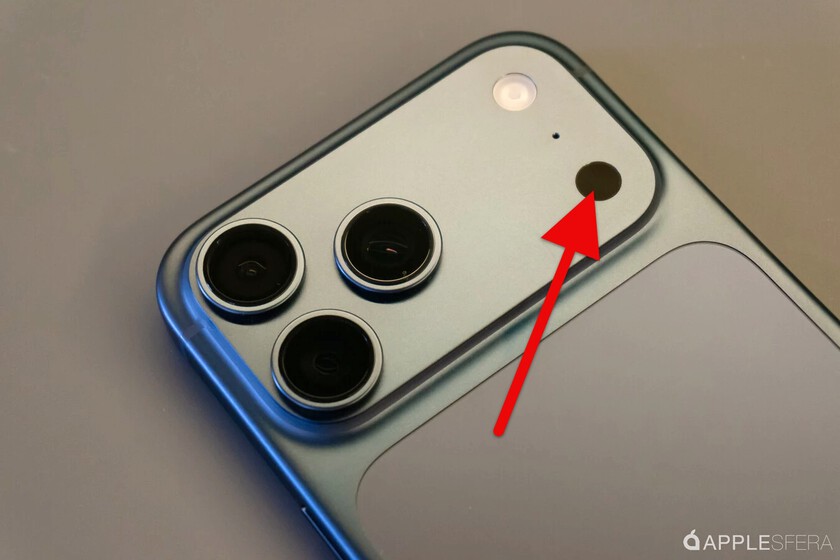
iPhone Pro LiDAR Sensor: What It Is and Why It Matters
Since the introduction of the iPhone 12 Pro series in 2020, a small, dark circle integrated into the rear camera module has become a permanent feature of Apple’s premium smartphone lineup. This component houses the LiDAR (Light Detection and Ranging) scanner, a remote sensing technology that utilizes laser pulses to measure distance and map environments with high precision.
The sensor operates by emitting infrared light pulses that bounce off objects and return to the device. By calculating the time it takes for the light to travel to the target and back—a measurement known as Time of Flight (ToF)—the hardware constructs a detailed three-dimensional map of the surrounding space. This process occurs in nanoseconds, allowing the iPhone to interpret its environment in real-time.
Integration into Photography and Computational Imaging
The primary utility of the LiDAR sensor in consumer photography is the enhancement of autofocus performance, particularly in low-light conditions. Traditional contrast-based autofocus systems often struggle when light levels are insufficient, as they rely on detecting differences in image clarity. Because the LiDAR scanner functions independently of ambient light, it provides the camera system with immediate, accurate depth data, enabling focus speeds up to six times faster than standard methods in dim environments.
Beyond autofocus, the sensor contributes to the accuracy of the Portrait mode. By generating a precise depth map of the scene, the software can better distinguish between the subject and the background, resulting in more natural-looking bokeh effects and cleaner edge detection when applying simulated depth-of-field adjustments.
Augmented Reality and Spatial Computing
While photography benefits from the scanner’s speed, the technology was originally implemented to facilitate advanced augmented reality (AR) experiences. By mapping the geometry of a room, the LiDAR sensor allows AR applications to place virtual objects within a physical space with high stability. This capability reduces the “drift” often seen in AR applications, as the device maintains a persistent understanding of floor planes, walls, and furniture.
Developers utilize the data provided by the sensor to enable features such as instant room scanning, where an application can measure dimensions or create 3D models of physical objects. This spatial awareness is a foundational element in Apple’s broader push toward spatial computing, ensuring that digital overlays remain anchored to physical surfaces even as the device moves.
Operational Constraints and Hardware Scope
The LiDAR functionality remains exclusive to the “Pro” and “Pro Max” models within Apple’s smartphone hierarchy. The physical design of the module requires specific integration with the camera array and the device’s image signal processor (ISP). Because the system relies on a dedicated emitter and receiver, it cannot be replicated via software updates on devices lacking the specific hardware components.

As of the current product cycle, the sensor remains a fixed component of the rear camera housing, with Apple continuing to refine the integration between the LiDAR depth map and the Neural Engine’s computational photography pipeline. The company has not announced plans to expand the sensor to its standard-tier iPhone models, maintaining it as a hardware differentiator for its professional-grade devices.