
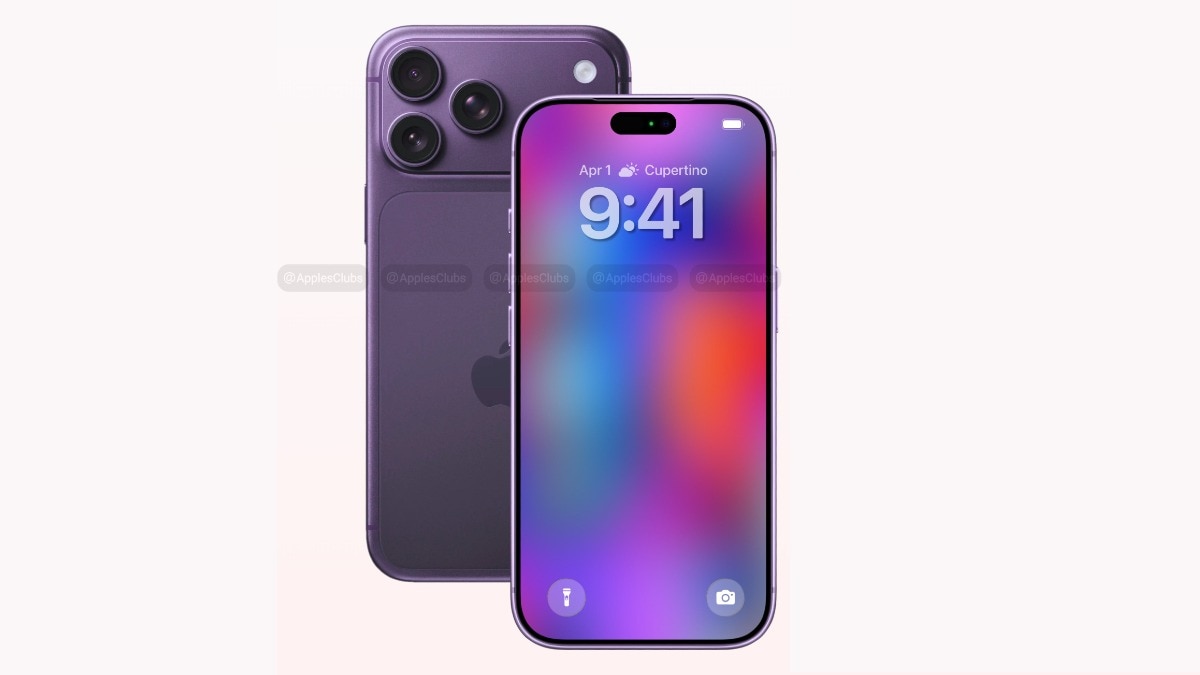
iPhone 18 Pro and Pro Max Leaks: Specs, Upgrades, and Release Date
The leak cycle for the iPhone 18 series has shifted from speculative noise to high-signal technical data. For those of us managing enterprise fleets or optimizing on-device ML workloads, the narrative isn’t about “new colors”—it’s about the transition to a more aggressive SoC architecture and a fractured display supply chain that suggests a significant pivot in panel efficiency.
The Tech TL;DR:
- Display Diversification: Samsung and LG Display are confirmed as the primary OLED suppliers, with reports indicating two major architectural changes to the panel stack to reduce power draw.
- Tier Expansion: A new “iPhone Ultra” is entering the roadmap, potentially decoupling the “Pro Max” as the ceiling for hardware specs.
- Compute Shift: Leaks point to a revised chipset focus, prioritizing NPU throughput for on-device generative AI over raw clock speed.
From a systems architecture perspective, the industry has hit a wall with incremental 3nm refinements. The real bottleneck for the iPhone 18 Pro series isn’t the battery capacity—though leaks regarding battery chemistry persist—but thermal headroom. As Apple pushes larger LLMs (Large Language Models) directly onto the silicon, the SoC (System on a Chip) must handle massive bursts of NPU activity without triggering aggressive thermal throttling that degrades the user experience.
The Hardware Stack: Benchmarking the Shift
The introduction of the “iPhone Ultra,” as detailed by Forbes, suggests Apple is creating a distinct hardware tier for power users and developers. This isn’t just a screen size play; it’s a thermal play. A larger chassis allows for more sophisticated heat dissipation, enabling the chipset to maintain peak performance for longer durations during compute-heavy tasks like 4K ProRes rendering or local AI inference.
Based on the leaked specifications and the supply chain movements reported by thelec.net and Moneycontrol, we can project the following hardware trajectory:

| Feature | iPhone 18 Pro | iPhone 18 Pro Max | iPhone 18 Ultra (Leaked) |
|---|---|---|---|
| Display Source | Samsung/LG OLED | Samsung/LG OLED | Next-Gen LTPO/OLED |
| Chipset Focus | Efficiency/NPU | Performance/NPU | Maximum Thermal Headroom |
| Primary Upgrades | Display/Battery | Display/Camera/Battery | Architectural Overhaul |
| Target Audience | Power Users | Content Creators | Enterprise/Devs |
The “two big changes” to the display mentioned by Moneycontrol likely refer to the integration of more efficient LTPO (Low-Temperature Polycrystalline Oxide) backplanes and a shift in PWM (Pulse Width Modulation) dimming to reduce eye strain and power consumption. For organizations deploying thousands of units, these efficiency gains reduce the total cost of ownership by extending the hardware lifecycle. To ensure these devices are deployed with the correct MDM (Mobile Device Management) profiles, many firms are currently partnering with enterprise mobility providers to automate the rollout.
NPU Throughput and the On-Device AI Bottleneck
The “leaked chipset” mentioned by India Today is the most critical variable. We are seeing a move toward an architecture that prioritizes TOPS (Tera Operations Per Second) over traditional CPU benchmarks. The goal is to minimize latency for on-device inference, reducing the need for round-trips to the cloud, which in turn enhances data privacy and SOC 2 compliance for corporate users.
“The transition to 2nm or refined 3nm processes isn’t about making the phone faster for the average user; it’s about creating enough thermal slack to run transformer-based models locally without the device becoming a hand-warmer.” — Industry Analysis, Semiconductor Fabrication Lead
For developers, this means a shift in how we optimize apps. We are moving away from heavy API reliance and toward local execution via frameworks like Apple’s MLX or CoreML. If you are testing the limits of the current silicon, you can simulate the resource allocation for these next-gen NPUs using a mock telemetry script to analyze how your current app handles memory pressure during high-inference tasks.
# Mock Python script to simulate NPU memory pressure analysis import psutil import time def monitor_npu_simulation(threshold_mb=500): print("Monitoring simulated NPU memory allocation...") try: while True: mem = psutil.virtual_memory() available_mb = mem.available / (1024 * 1024) if available_mb < threshold_mb: print(f"[ALERT] Memory Pressure High: {available_mb:.2f}MB remaining. Potential throttling.") else: print(f"[OK] System Stable: {available_mb:.2f}MB available.") time.sleep(2) except KeyboardInterrupt: print("Monitoring stopped.") if __name__ == "__main__": monitor_npu_simulation() Supply Chain Fragility and Repairability
The reliance on both Samsung and LG for OLED panels is a strategic hedge. However, as the display architecture becomes more complex—potentially integrating under-display sensors or new layers for efficiency—the "right to repair" becomes a logistical nightmare. The increased complexity of the iPhone 18 Pro's display stack means that standard third-party replacements will likely fail or trigger software locks.

This creates a critical dependency on certified hardware technicians who have access to Apple's proprietary calibration tools. From a procurement standpoint, the "India price" leaks mentioned by India Today indicate a continued premium strategy, which may push enterprise buyers to consider longer refresh cycles or more robust insurance wrappers.
The Verdict: Evolution or Iteration?
The iPhone 18 Pro series appears to be a bridge to a future where the smartphone is essentially a portable NPU. While the "6 major upgrades" cited by the Indian Express might sound like marketing fluff, the underlying shift in display sourcing and the introduction of an "Ultra" tier suggest Apple is preparing for a divergence in its user base: those who want a phone, and those who want a pocket-sized workstation.
As we move closer to the production push, the focus for CTOs should not be on the hardware specs, but on the software ecosystem. Whether it's optimizing for new API limits in the Apple Developer portal or auditing the security of on-device AI data silos, the preparation starts now. The hardware is just the substrate; the real value lies in the implementation.
*Disclaimer: The technical analyses and security protocols detailed in this article are for informational purposes only. Always consult with certified IT and cybersecurity professionals before altering enterprise networks or handling sensitive data.*