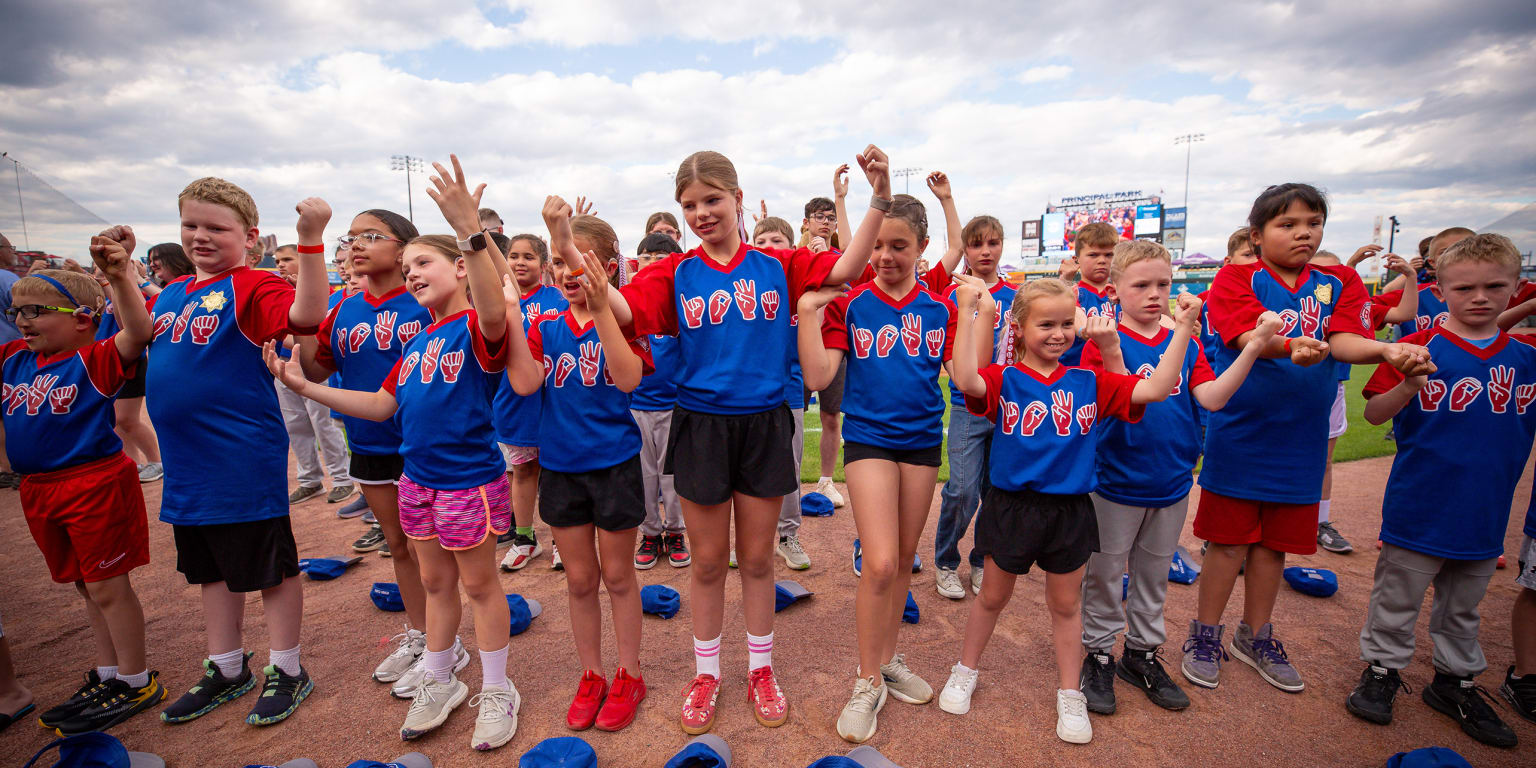
Iowa Baseball Camp for the Deaf Returns to Des Moines
The Iowa Baseball Camp for the Deaf, founded in 2015 by Iowa Cubs photographer Dylan Heuer, provides an essential inclusive environment for deaf and hard-of-hearing youth in Des Moines. By removing communication barriers through American Sign Language (ASL) and specialized coaching, the program empowers participants to pursue athletics without limitations.
Establishing a Foundation for Inclusive Athletics
Since its inception in 2015, the Iowa Baseball Camp for the Deaf has operated on a simple yet profound premise: sport should be accessible to everyone, regardless of hearing ability. Dylan Heuer, who serves as the team photographer for the Triple-A Iowa Cubs, launched the initiative to bridge the gap between deaf youth and the mainstream baseball community. The most recent session, held from June 15 to June 21, 2026, brought together dozens of young athletes at fields in Des Moines, Iowa.
The camp is not merely about learning the mechanics of a swing or the strategy of a double play. It is about creating a space where the primary language of instruction is American Sign Language. This environmental shift allows participants to focus entirely on the game rather than struggling to interpret auditory cues in a traditional coaching setting.
The Structural Challenges of Inclusive Sports Programming
Organizing specialized sports camps requires navigating significant logistical hurdles. According to the National Association of the Deaf, providing equitable access in extracurricular activities often requires specialized staffing, including interpreters and coaches fluent in ASL. For many municipalities, the lack of such infrastructure can exclude deaf children from local Little League or travel team opportunities.
When community programs fail to provide these accommodations, parents are often forced to seek external support. This is where professional intervention becomes necessary. Families facing barriers to local sports inclusion often consult with disability rights law firms to ensure that municipal and private organizations are meeting their obligations under the Americans with Disabilities Act (ADA). Ensuring that public recreational facilities are truly accessible is a matter of both civil rights and community health.
Expanding Access Through Professional Networks
The success of the Iowa Baseball Camp for the Deaf highlights a broader need for specialized youth services. While Heuer’s initiative is a grassroots success, the sustainability of such programs often depends on broader civic and financial support. For community organizers looking to replicate this model, the process involves more than just finding a baseball field.
Securing insurance, finding qualified ASL-fluent coaches, and navigating local zoning or facility-use permits are significant tasks. Many organizations find success by partnering with non-profit management consultants or local disability advocacy groups. These professionals provide the technical expertise required to transform a vision into a long-term, scalable program.
Why Communication Equity Matters in Youth Development
The impact of the camp extends far beyond the diamond. By fostering a sense of belonging, the program helps participants develop self-advocacy skills that are critical for academic and professional success. Research from the Gallaudet Research Institute consistently demonstrates that social engagement in a native language environment significantly improves developmental outcomes for deaf youth.

However, the transition from a specialized camp to a mainstream environment remains a hurdle. “The goal is to show these kids that they can dream without limits, but the real test is ensuring the world outside these fences is ready to accommodate them,” notes one local community advocate. Bridging this gap requires a concerted effort from local government officials and educational boards to prioritize universal design in all youth-centered infrastructure.
Moving Toward a More Inclusive Future
As of July 3, 2026, the success of the most recent session serves as a blueprint for other regions. The integration of ASL into youth athletic programs is no longer an outlier; it is increasingly recognized as a standard of quality programming. Yet, the burden of implementation still largely falls on the shoulders of dedicated individuals like Heuer.
For those looking to support or initiate similar programs, the path forward requires rigorous planning and professional support. Whether it is through securing specialized insurance, drafting compliant bylaws, or finding accessible venues, the infrastructure for inclusivity is readily available for those who know how to access it. Organizations and families seeking to improve accessibility in their own districts should reach out to verified professionals who understand the intersection of youth sports and accessibility law.
The true measure of a community is how it treats its most vulnerable members, and the Iowa Baseball Camp for the Deaf continues to set a standard that others would do well to emulate. Building an inclusive future is not an act of charity; it is an act of civic necessity.