
Apple’s OS Overhaul: A Year-Based Naming Revolution
A New Era for Apple’s Operating Systems
Apple is reportedly poised to ditch its conventional version numbering system for its operating systems, opting instead for a year-based naming convention. This meaningful shift, expected to be unveiled at the Worldwide Developers Conference (WWDC) starting June 9, aims to streamline branding and simplify the user experience across Apple’s ecosystem.
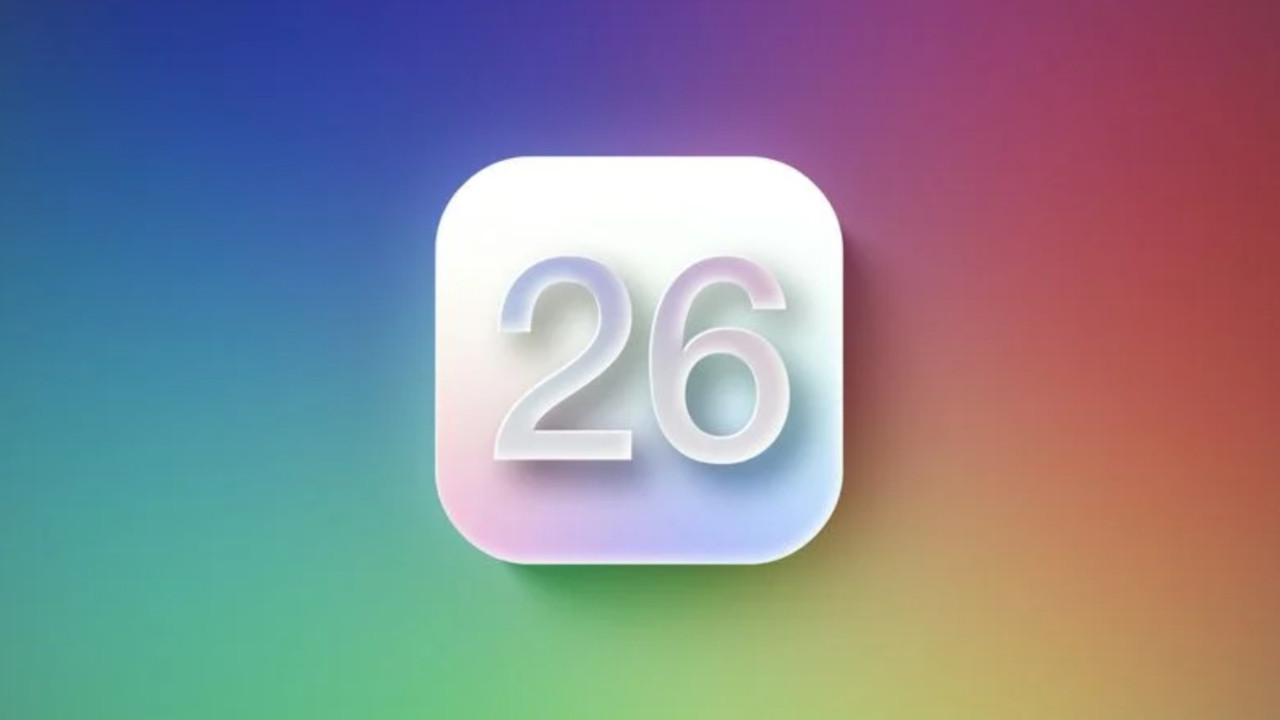
According to sources familiar with the matter, the upcoming iOS 18 will be rebranded as “iOS 26.” This change will extend across Apple’s entire software lineup, with corresponding updates to “iPadOS 26, macOS 26, watchOS 26, tvOS 26, and visionOS 26.”
Why the Change? Consistency and Clarity
The move towards year-based naming is driven by a desire for brand consistency and to alleviate confusion among users and developers. The current system, with its disparate version numbers-such as iOS 18, watchOS 12, macOS 15, and visionOS 2-can be perplexing.
The new naming strategy is intended to create a more integrated experience for users as thay switch between devices. The updated user interface, internally dubbed “Solarium,” will incorporate elements from tvOS, watchOS, and visionOS, further unifying the Apple ecosystem.
Echoes of the Past: Samsung and Microsoft’s Approaches
Apple’s decision to adopt a year-based naming system is not without precedent. Other tech giants, including Samsung and Microsoft, have employed similar strategies in the past.
- Samsung: In 2020, Samsung rebranded its flagship Galaxy S series, launching the Galaxy S20 after the Galaxy S10.
- Microsoft: In 1995, Microsoft introduced Windows 95, followed by Windows 98 and Windows 2000, using year-based names for major operating system releases.
However, Apple’s approach differs slightly.Instead of using the current year, Apple will reportedly use the following year. This means that operating systems launched around September 2025 will be branded as “26,” mirroring the automotive industry’s practise of marketing vehicles with the next year’s designation.
Past Attempts and Future Plans
Apple has experimented with year-based naming in the past, especially with its iWork and iLife software suites. In August 2007, the company released iWork ’08 and iLife ’08, followed by iLife ’11 in October 2010.
Looking ahead, Apple plans to enhance the iPad experience, making it more akin to macOS to improve its utility in professional settings. Additionally, the company intends to open its Apple Intelligence platform’s artificial intelligence models to third-party developers.
Additional Features on the Horizon
Several other new features are anticipated this year, including:
- Live translation mode for AirPods and Siri
- Enhancements to the Vision Pro headset
- Visual shift options
- AI-supported health features and battery management modes
- Apple Pencil compatibility
- A new two-way Arabic-English keyboard
