
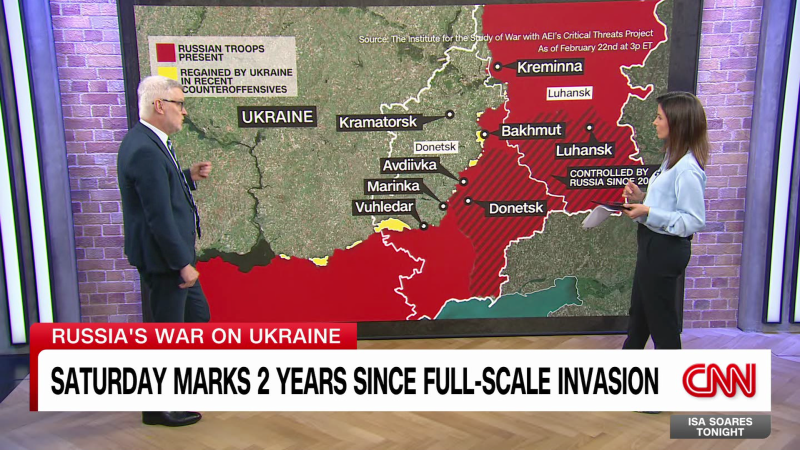
Investors Face New War Shock Mirroring Ukraine Invasion
Geopolitical Volatility Triggers Liquidity Crunch in Energy Futures
The sudden escalation of conflict involving Iranian energy infrastructure has sent Brent crude futures surging past the $115 mark, triggering an immediate liquidity squeeze across European and Asian markets. Investors are rapidly pivoting from growth equities to defensive commodities, forcing central banks to reconsider Q2 interest rate trajectories. This isn’t just a trading day anomaly; it is a structural supply shock demanding immediate corporate risk recalibration.
For the C-suite, the math is unforgiving. When energy inputs spike by 20% in a single week, EBITDA margins for heavy manufacturing and logistics evaporate. The market is no longer pricing in stability; it is pricing in a prolonged choke-point crisis. We are witnessing a classic “risk-off” rotation where capital flees innovation for preservation.
The Fiscal Anatomy of the Shock
The Strait of Hormuz remains the single most critical artery for global oil transit, handling approximately 21 million barrels per day. Any threat to this corridor acts as a lever on the entire global pricing mechanism. In the immediate aftermath of the escalation, we observed a decoupling of WTI and Brent spreads, a tell-tale sign of regional supply anxiety.
According to the latest EIA Short-Term Energy Outlook data models, a sustained disruption of just 10% of flow through the strait would tighten global inventories below the five-year average within 45 days. This isn’t theoretical; it is the baseline scenario institutional desks are modeling right now.
Corporate treasurers are facing a dual threat: rising input costs and the sudden unavailability of hedging instruments at viable strike prices. The volatility index (VIX) for energy sectors has spiked, rendering standard options strategies prohibitively expensive for mid-market firms.
| Metric | Pre-Escalation (Feb 2026) | Post-Escalation (March 2026) | Implication |
|---|---|---|---|
| Brent Crude Futures | $88.50 / bbl | $116.20 / bbl | +31% Input Cost Shock |
| Marine War Risk Insurance | 0.05% of Hull Value | 1.2% of Hull Value | Logistics Margin Compression |
| 10-Year Treasury Yield | 3.85% | 4.12% | Capital Cost Increase |
| Industrial Production Index | 102.4 (Base 100) | Forecast: 98.1 | Contraction Signal |
Supply Chain Contagion and the B2B Pivot
The immediate casualty of this energy shock is not just the price at the pump, but the velocity of global trade. Shipping lines are already rerouting around the Cape of Fine Hope to avoid the Persian Gulf, adding 14 days to transit times between Asia and Europe. For just-in-time manufacturing, this delay is catastrophic.
This creates a specific fiscal problem: working capital gets trapped in transit. Companies that relied on lean inventory models are now facing stockouts. The solution lies in aggressive supply chain diversification and near-shoring strategies. We are seeing a surge in demand for specialized logistics consultants who can restructure routing protocols to bypass high-risk zones without destroying margin.
“The market is mispricing the duration of this conflict. We aren’t looking at a spike; we are looking at a regime change in energy security. Corporations that haven’t stress-tested their supply chains against a 30-day Hormuz closure are effectively insolvent on a forward-looking basis.”
That assessment comes from a senior strategist at a top-tier global asset management firm, speaking on condition of anonymity regarding client positioning. The sentiment on the trading floor is clear: resilience is the new alpha.
Hedging Strategies in a High-Volatility Regime
As the dust settles on the initial price spike, the focus shifts to financial engineering. CFOs are scrambling to lock in rates before the curve steepens further. However, traditional hedging via futures is becoming capital-intensive due to margin requirements.
This environment favors firms with sophisticated treasury management capabilities. We are observing a trend where mid-cap industrials are bypassing standard bank desks in favor of boutique risk management advisory firms. These specialists offer bespoke derivative structures—swaps and collars tailored to specific exposure profiles—that big banks often refuse to underwrite for smaller clients during periods of extreme volatility.
the divergence in energy costs is creating a M&A opportunity. Cash-rich entities in the renewable sector are looking to acquire distressed traditional energy assets at depressed valuations. This consolidation requires rapid due diligence and regulatory navigation, driving traffic to M&A legal and advisory teams capable of executing defensive buyouts before Q2 earnings reports hit.
The Long-Term Fiscal Horizon
While the headlines focus on the daily candle charts, the real story is the structural shift in capital allocation. The era of cheap energy is officially paused. Companies that fail to integrate energy volatility into their long-term CAPEX planning will find themselves outcompeted by peers who have already pivoted to decentralized power generation and localized sourcing.
Investors should watch the upcoming Q1 earnings calls for guidance revisions. Any company guiding lower due to “macro headwinds” without a concrete mitigation plan will be punished severely by the bond market. The cost of capital is rising, and patience is thinning.
For business leaders navigating this turbulence, the priority is clear: secure your supply lines, hedge your exposure, and consolidate where possible. The World Today News Directory remains the primary resource for identifying the vetted B2B partners capable of executing these critical defensive maneuvers in real-time.