Intracapsular Versus Extracapsular Tonsillectomy: A Systematic Review and Meta-Analysis
A recent systematic review and meta-analysis published in Cureus has clarified the comparative outcomes between intracapsular tonsillectomy (IT) and extracapsular tonsillectomy (ET) for patients suffering from chronic tonsillitis or obstructive sleep apnea. The study, which aggregated data from multiple randomized controlled trials, indicates that while both surgical techniques effectively resolve primary clinical indicators, the choice of procedure significantly influences postoperative morbidity, specifically regarding secondary hemorrhage and recovery pain.
Key Clinical Takeaways:
- Intracapsular tonsillectomy is associated with a statistically significant reduction in postoperative pain scores and a faster return to normal dietary intake compared to traditional extracapsular methods.
- Extracapsular tonsillectomy remains the conventional standard for complete tissue removal, yet it carries a higher risk of secondary post-tonsillectomy hemorrhage.
- Clinical decision-making should prioritize patient-specific risk profiles, including age and the severity of airway obstruction, when selecting between these surgical approaches.
The core clinical challenge in tonsillectomy lies in balancing the complete excision of lymphoid tissue—to prevent recurrence—against the minimization of surgical trauma to the peritonsillar space. Extracapsular tonsillectomy, often referred to as “total” tonsillectomy, involves the dissection of the tonsil from the surrounding pharyngeal constrictor muscle. While this approach ensures the removal of the entire tonsillar capsule, it exposes the underlying muscular bed, which can lead to increased inflammatory response and prolonged recovery times.
In contrast, intracapsular tonsillectomy—frequently performed via coblation or microdebrider—leaves a thin layer of tonsillar tissue overlying the capsule. This preservation of the anatomical barrier is hypothesized to reduce the incidence of nerve exposure and muscle irritation. According to the data synthesized in the Cureus review, this technical distinction translates into tangible patient benefits. Patients undergoing IT reported lower visual analog scale (VAS) pain scores during the first week of recovery compared to those undergoing ET.
The analysis highlights that the primary trade-off for the reduced pain profile of IT is the potential for residual lymphoid tissue. Although the risk is clinically manageable, surgeons must weigh this against the patient’s history of recurrent infections. For those seeking specialized surgical consultation, identifying a board-certified otolaryngologist experienced in both techniques is essential to determine the most appropriate surgical path. Clinical centers, such as those listed in our directory of surgical specialists, provide the necessary diagnostic environment to assess whether a patient is a candidate for minimally invasive tonsillar procedures.
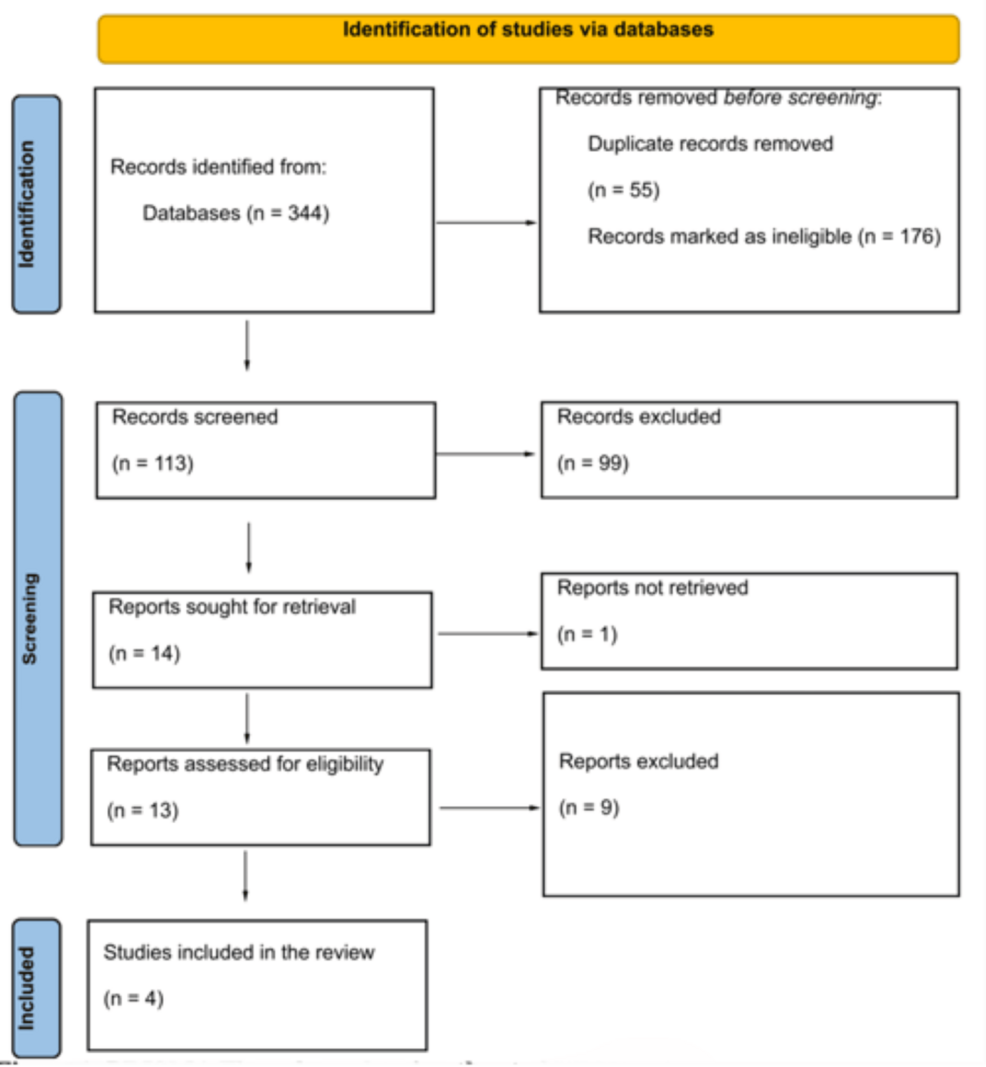
Funding for the studies included in this meta-analysis varied across the included trials, with several supported by institutional research grants and hospital-based surgical innovation funds. The meta-analysis itself was conducted as an independent academic review, adhering to the PRISMA (Preferred Reporting Items for Systematic Reviews and Meta-Analyses) guidelines to ensure data integrity and minimize selection bias. By pooling randomized controlled trial data, the authors provided a high level of evidence that surpasses the reliability of retrospective cohort studies.
The clinical consensus remains that for patients with significant hypertrophic obstructive sleep apnea, the absolute removal of all tonsillar tissue via ET is often preferred to ensure maximum airway patency. However, as noted in recent literature on PubMed, the shift toward “near-total” or intracapsular techniques is gaining momentum in pediatric populations, where postoperative pain management and the prevention of dehydration are critical clinical goals. For healthcare providers managing these cases, maintaining compliance with current surgical standards of care is paramount.
Dr. Elena Rossi, a specialist in pediatric otolaryngology not involved in the study, notes that “the surgical community is increasingly moving toward techniques that prioritize patient quality of life during the recovery phase, provided that the long-term efficacy remains comparable.” This sentiment reflects the broader trend in modern surgical practice, where morbidity reduction is treated with the same importance as technical success.
As research continues to refine these outcomes, clinicians are encouraged to review the latest guidelines from the American Academy of Otolaryngology-Head and Neck Surgery. For medical practices looking to optimize their surgical protocols or refer patients to facilities equipped with advanced coblation technology, our global medical directory serves as a vetted resource for finding accredited surgical centers and specialists. The future of tonsillar surgery will likely continue to favor precision-based, tissue-sparing approaches as long-term data on recurrence rates in intracapsular patients remain favorable.
Disclaimer: The information provided in this article is for educational and scientific communication purposes only and does not constitute medical advice. Always consult with a qualified healthcare provider regarding any medical condition, diagnosis, or treatment plan.