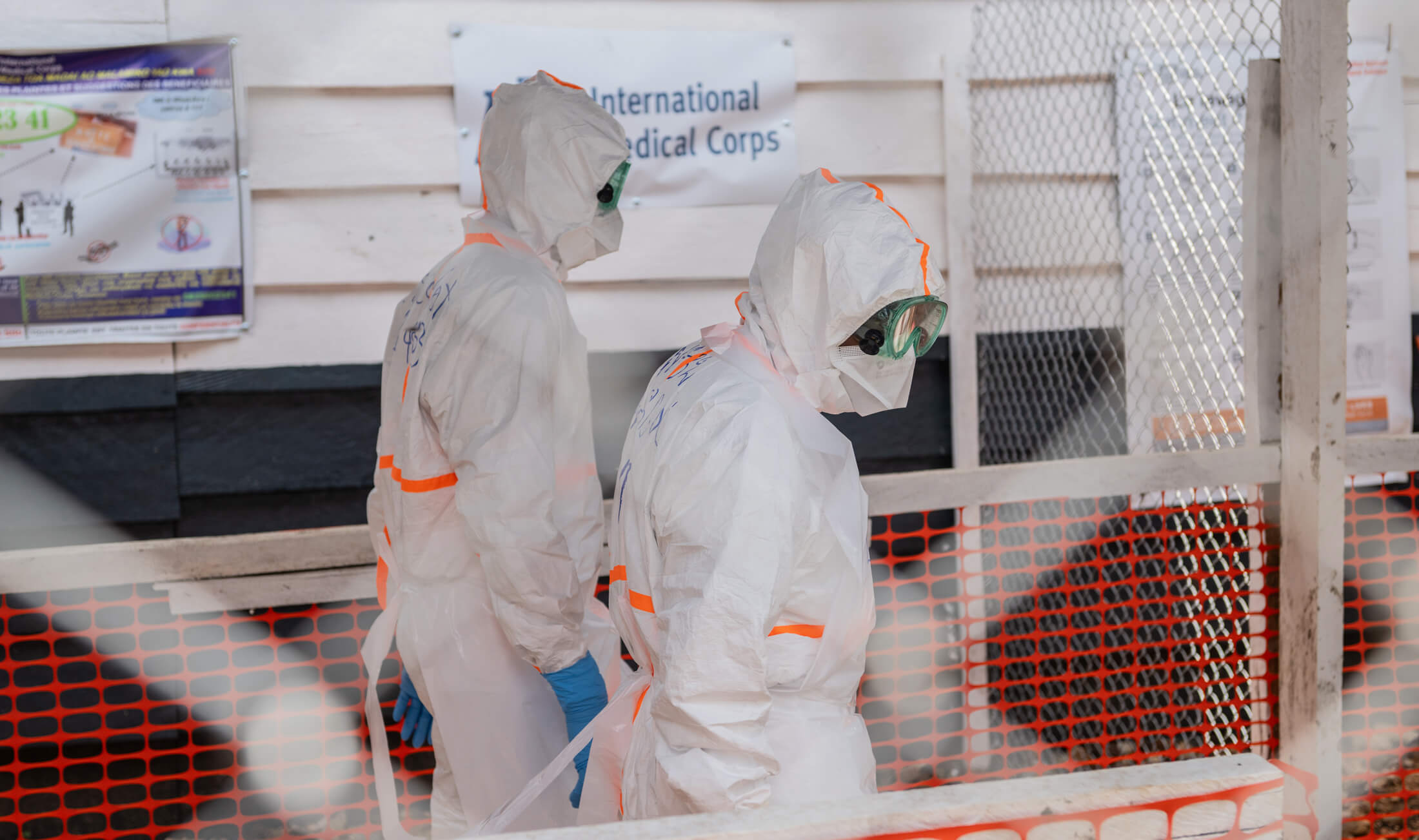
International Medical Corps Combats Outbreaks in Yemen, DRC, Sudan with Immunization, Screenings, Clean Water
Childhood immunization and clean water programs are stepping up to stop outbreaks of measles, Ebola, and cholera across three countries facing conflict and displacement.
International Medical Corps reported that responding to infectious diseases requires combining vaccination, community engagement, monitoring, and reliable health services.
In Yemen, the Ministry of Public Health and Population is working with International Medical Corps to expand childhood immunization. The country recorded nearly 13,000 cases of measles between March and August 2026, according to the World Health Organization. Misinformation has slowed national vaccination coverage, leaving Yemen among the 10 countries with the highest number of measles cases worldwide.
Community health volunteers are visiting families to answer questions and address misconceptions about vaccines. During an awareness session in Al Dhale’e governorate, volunteer Haifa Muthana Ali Sale met Abdulbaqi Ali Hassan, a father of five unvaccinated children.
“After Haifa explained how childhood immunization prevents diphtheria, measles and polio, the couple decided to vaccinate their children,” according to International Medical Corps.
The Bundibugyo strain of Ebola is spreading across the Democratic Republic of the Congo at the fastest pace in world history. Health officials confirmed the outbreak in May 2026, several months after the earliest known case became ill. International Medical Corps teams have conducted more than 1.2 million screenings using screening-and-referral units to isolate and treat patients.
Asifiwe Jospin was traveling to visit family in Goma when Ebola surveillance teams noticed he was visibly ill and referred him to the transit center in Virunga Hospital.
“When Asifiwe first arrived, the experience was uncomfortable,” International Medical Corps reported, noting he had heard rumors that Ebola was a fake disease. After testing negative and receiving care, Jospin felt grateful and reassured upon discharge.
Sudan’s civil war has displaced millions into crowded settings where cholera and acute watery diarrhea spread easily. International Medical Corps delivered safe water to health facilities and displacement sites in Central Darfur, reducing reliance on unsafe sources. Between April and September 2026, the organization provided water, sanitation, and hygiene services to nearly 290,000 people in Um Dukhun and Golo.
In Khartoum, the team restored running water at the Fetih Algleen Health Facility by installing a solar-powered water-supply system, connecting a new pump, and adding two 2,000-liter storage tanks.
“Electricity and water are no longer a concern,” said Dr. Abdalhafiez, a doctor at the facility. “I can work longer hours and focus fully on my patients. The transformation has been a blessing for us as healthcare professionals—and for the people we serve.”