International HIV Funding Fell 18%, Reversing 2025 Gains: UNAIDS
International donor cuts to HIV programs reversed global prevention gains in 2025, UNAIDS reported.
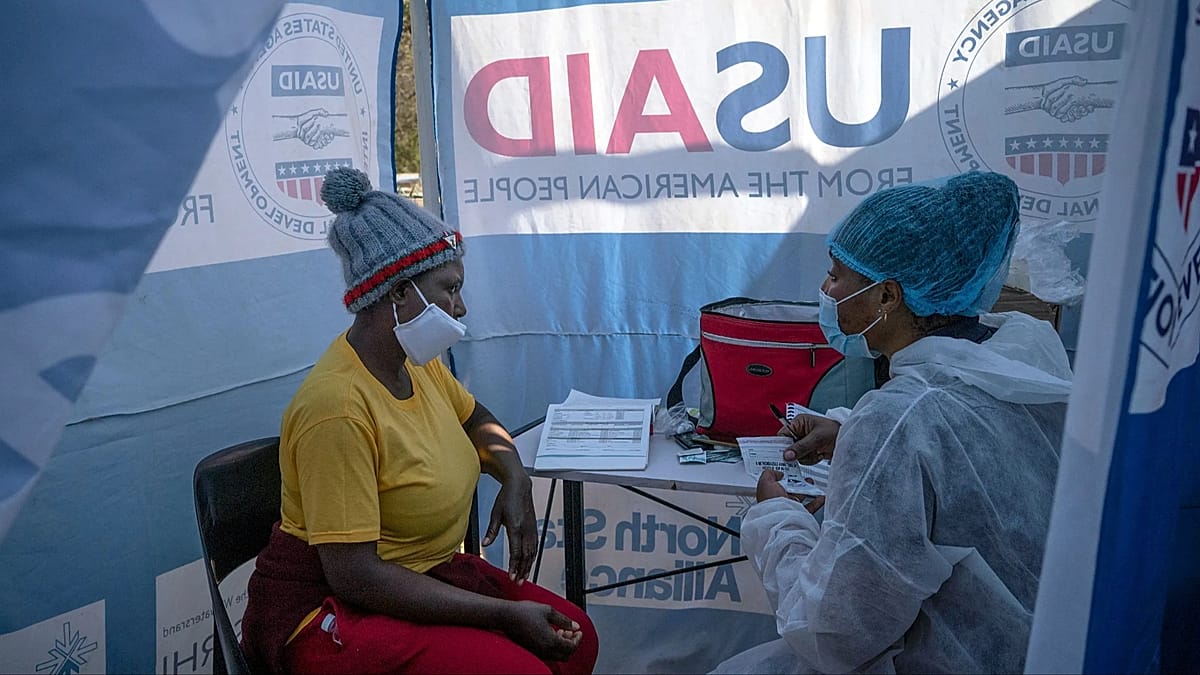
International funding for the HIV response fell 18 percent last year, the steepest drop in nearly two decades, while domestic financing rose 4 percent, according to the Joint United Nations Programme on HIV/AIDS. The United States, United Kingdom, France and other major donors all sharply reduced support for global health programs in 2025, devastating treatment and prevention in low-income countries.
West and Central African nations rely on foreign money for roughly 90 percent of their HIV treatment services. Even countries with larger national budgets still depend on donors to fund prevention programs. Since the 2025 cuts, the number of people accessing pre-exposure prophylaxis, or PrEP, has fallen sharply. About 446,000 fewer people took PrEP in 2025 than in 2024, though use rose in a few countries including Brazil, Uganda and Tanzania.
UNAIDS estimates only 2.6 million people worldwide had access to PrEP last year, while more than 20 million could benefit. PrEP use collapsed among groups at highest risk of HIV infection: it dropped 59 percent among sex workers, 58 percent among people who inject drugs, 23 percent among transgender people and 17 percent among gay men and other men who have sex with men, according to the report.
“We know what happens when HIV prevention collapses. People get infected, treatment needs rise, costs explode and lives are lost,” said Winnie Byanyima, executive director of UNAIDS.
“Every clinic that closes, every outreach worker who loses their job and every young woman denied access to prevention services today risks becoming a new HIV infection tomorrow,” she added.
PrEP is typically a daily pill, which can complicate access and adherence. Over the past year several countries began rolling out lenacapavir, an injectable form of PrEP administered just twice a year. By October, 175,000 people in nine sub-Saharan African countries had started lenacapavir treatment, UNAIDS said, and cheaper generic versions are expected next year. Researchers are also developing other long-acting forms, such as a once-monthly pill.
But HIV specialists warn that aid cuts will limit real-world access to these new tools.
“It is unacceptable that at the very moment the world has game-changing prevention technologies that can drastically reduce new infections, budget cuts make these tools inaccessible to the people who need them most,” Byanyima said.
The funding reductions extend beyond prevention. Fewer HIV tests are being conducted, complicating early detection and linkage to treatment.
Fewer people living with HIV are starting antiretroviral therapy, which suppresses viral load. HIV surveillance has also weakened. As a result, the ripple effects of last year’s funding cuts will be felt for years, UNAIDS said.
“The world is sleepwalking into an avoidable crisis,” Byanyima said.
Keep reading