
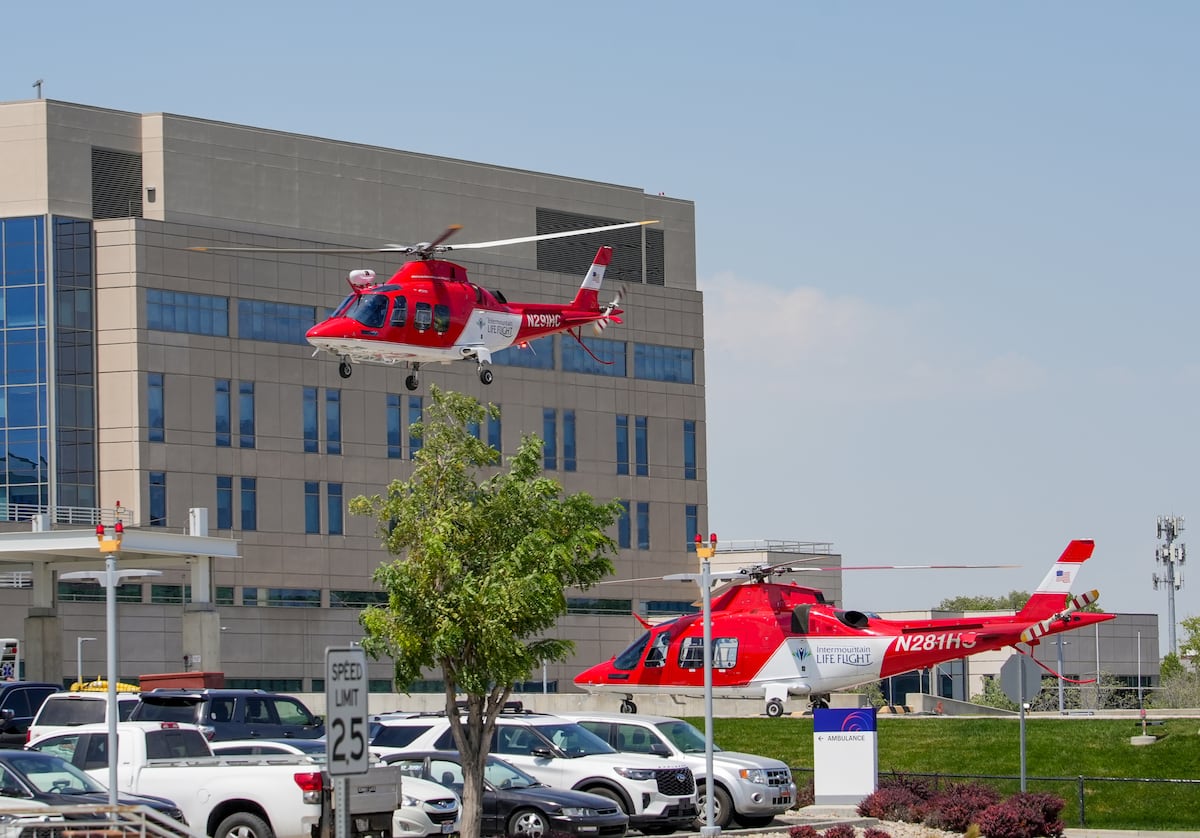
Intermountain Medical Center Restores Power After Outage; Examination Underway
Murray, Utah - Intermountain Medical Center resumed normal operations Friday after a campus-wide power outage disrupted services on Thursday, August 14, 2025. The incident forced temporary diversions of incoming ambulances and the transfer of vulnerable patients, including five infants and six mothers in labor.
Timeline of the Outage
The power failure began at approximately 11:15 a.m. on Thursday. A subsequent failure of the hospital’s backup generator prolonged the disruption,with full power restoration not achieved until 1:00 p.m.
| Event | Time |
|---|---|
| Initial Power Outage | 11:15 a.m. MDT, August 14, 2025 |
| Backup Generator Failure | Shortly after 11:15 a.m. MDT |
| Full Power Restoration | 1:00 p.m. MDT, August 14, 2025 |
Cause of the Outage Under Investigation
Murray Fire Chief Joseph Mittelman indicated that the outage likely originated within the hospital’s internal power system, and was not attributable to issues with Murray City Power, the hospital’s energy provider. “As far as the city is aware, the outage wasn’t caused by an issue with Murray City Power,” stated Chief Mittelman.
Intermountain Health spokesperson Jess Gomez confirmed that a comprehensive review of the hospital’s systems is underway to determine the root cause. “Our review of our systems is still underway,” Gomez said. “Once we know more information, we’ll share that.”
Did You Know?
Hospitals are required to have robust backup power systems to ensure continuity of care during emergencies, as outlined by The Joint Commission’s Emergency Management Standards [[1]].
Emergency Response and Patient Safety
During the outage,hospital staff proactively communicated via cell phones when internal systems were unavailable,coordinating patient care floor by floor. The hospital activated contingency plans to prioritize patient safety,diverting ambulances and transferring critical patients.
Mittelman emphasized the city’s heightened vigilance. “We have eyes on our power grid right now,” he explained. “so within a moment’s notice… we would identify and then respond accordingly.”
Gomez assured the public that Intermountain Medical Center maintains comprehensive contingency plans for all potential scenarios. “We don’t anticipate any further issues,” he said, ”but are prepared for any scenario to ensure the safety of our patients and caregivers.”
Pro Tip:
Regular testing and maintainance of backup power systems are crucial for ensuring their reliability during emergencies.
Limited Impact Beyond Hospital Campus
The outage appeared to be isolated to the Intermountain Medical Center campus, with the Murray City Power Department’s outage map showing no important disruptions elsewhere in the city at the time.
what measures can hospitals take to further enhance their power grid resilience? And how can communities better support their local healthcare facilities during emergencies?
Understanding Hospital Power Outages
Power outages in healthcare facilities pose significant risks to patient safety and operational efficiency. Modern hospitals rely heavily on electricity for life-sustaining equipment, critical monitoring systems, and essential building functions. The increasing frequency of extreme weather events and the aging infrastructure of manny power grids are contributing to a growing concern about hospital power resilience. Strategic investments in backup power systems, grid modernization, and emergency preparedness planning are essential to mitigate these risks.
Frequently Asked Questions About Hospital Power Outages
- What is a hospital’s responsibility during a power outage? Hospitals are legally and ethically obligated to maintain patient safety during emergencies, including power outages, by activating backup systems and implementing contingency plans.
- How do hospitals ensure backup power systems are reliable? Hospitals conduct regular testing, maintenance, and drills to verify the functionality of their backup generators and uninterruptible power supplies (UPS).
- What is the role of local authorities in responding to hospital power outages? Local fire departments and emergency management agencies coordinate with hospitals to provide support, assess risks, and ensure a swift and effective response.
- What are the long-term solutions to prevent hospital power outages? Investing in grid modernization, distributed generation, and microgrids can enhance the resilience of hospital power supplies.
- How does a power outage affect hospital operations? A power outage can disrupt critical care services, delay surgeries, and compromise communication systems, requiring hospitals to prioritize patient needs and implement emergency protocols.
we hope this report provides valuable insight into the recent power outage at Intermountain Medical Center. Stay informed and prepared – your health and safety matter.
