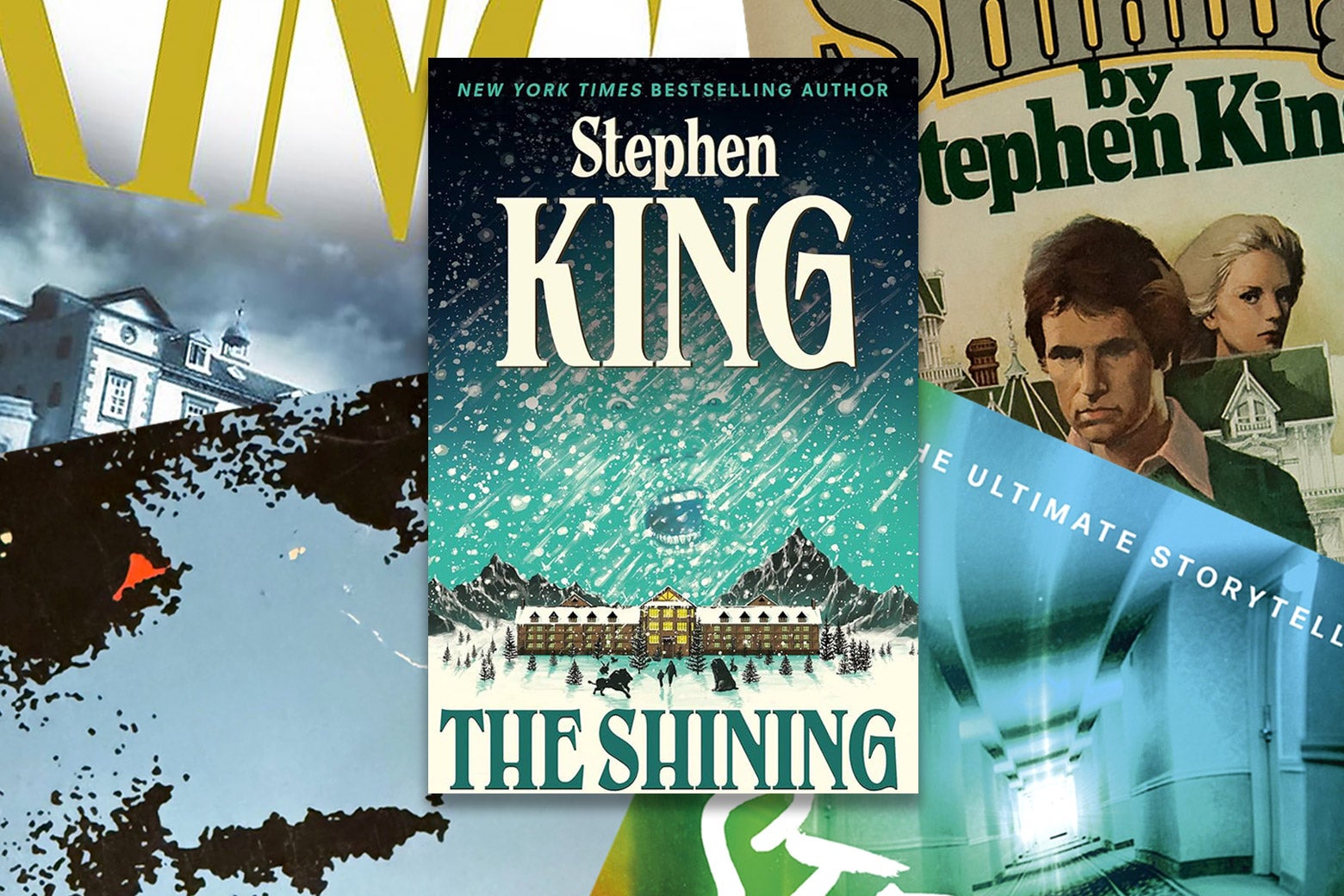
Inside the Horrors: Early Drafts of a Masterpiece Novel
Stephen King’s drafting process for The Shining reveals the meticulous craft required to evoke primal fear. By analyzing early drafts, we see how the transition from initial concepts to the final narrative utilizes psychological tension and supernatural elements to transform a standard ghost story into a masterpiece of horror.
The revelation of these early drafts dismantles the myth that horror is merely a product of raw inspiration. Instead, it exposes a calculated architecture. The “particular horrors” found in the final version of The Shining were not inevitable; they were engineered through iterative refinement, stripping away the unnecessary to amplify the unsettling.
Fear is an architecture.
When examining the evolution of the novel, it becomes clear that King was navigating several distinct sub-genres of terror simultaneously. Based on the taxonomy of the genre, The Shining functions as a hybrid of Gothic Horror, Ghost Stories and Psychological Horror. The Gothic element is anchored in the setting—a dark, decaying location that evokes a sense of dread. The Ghost Story elements introduce supernatural entities from the afterlife, while the Psychological Horror focuses on the inner turmoil and deteriorating mental state of the characters.
This intersection creates a compounding effect. The reader is not just afraid of the ghosts in the hallways; they are afraid of the mind of the man tasked with protecting his family. This duality is what makes the narrative so enduring. For writers attempting to replicate this depth, the process often requires the guidance of professional editors who can identify where the psychological tension is lagging or where the supernatural elements become too predictable.
The Strategy of the Hidden Monster
The effectiveness of The Shining lies in its adherence to a rigorous plot structure, specifically the concept of “The Hidden Monster.” In the early stages of a horror narrative, the goal is not to reveal the antagonist immediately, but to tease its existence. This creates a promise to the reader: a guarantee that something sinister is creeping just out of view.
King utilizes the Overlook Hotel not just as a setting, but as the central antagonist. By establishing the “Ordinary World” as a mirage—a family taking a seasonal job in a secluded hotel—the narrative sets a trap. The horror is more potent because it begins with a semblance of normalcy. This structural beat is essential; if the monster is revealed too early, the tension evaporates. If This proves revealed too late, the reader becomes frustrated.
“The oldest and strongest emotion of mankind is fear, and the oldest and strongest kind of fear is fear of the unknown.”
This insight, attributed to H.P. Lovecraft, underscores the “Information Gap” that King maintains throughout the novel. The dread is not found in what we see, but in the anticipation of what we might see. The early drafts present a conscious effort to calibrate this reveal, ensuring the “hook” draws the reader in while the “hidden monster” maintains a suffocating presence in the background.
Navigating these complex plot beats is often the most difficult part of the writing process. Many authors find that partnering with literary consultants helps them map out these “beats” to ensure the pacing doesn’t collapse under the weight of the atmosphere.
The Mechanics of the “Blood Freeze”
To make a reader’s blood freeze, the element of surprise is crucial. In The Shining, This represents achieved through the subversion of safety. The home—or in this case, the hotel—is supposed to be a sanctuary. When that sanctuary becomes the source of the threat, the psychological impact is magnified.

The craft involved in the early drafts suggests a focus on “shivers down the spine” by utilizing specific horror triggers:
- Grotesque Transformations: The shift in character behavior that mirrors body horror, where the mind is mutilated by external influence.
- Supernatural Phenomenon: Events that exist beyond the scope of normal scientific understanding, creating a sense of helplessness.
- The Ticking Clock: The gradual isolation of the characters as winter closes in, building urgency and trapping the victims with their tormentor.
These elements are not randomly placed. They are woven into the narrative to ensure that the horror is both gruesome and shocking. The “craft” mentioned in the early drafts is the act of balancing these shocks so they do not become repetitive. A story that is always at a peak of terror eventually becomes numb; the horror must breathe, receding just enough to make the next strike more devastating.
For those struggling to piece together a plot that excites, the transition from a rough idea to a polished manuscript often requires a structured approach to conflict and consequence. This is where certified writing coaches become invaluable, helping authors move from a basic “scary idea” to a fully realized psychological thriller.
The evolution of The Shining serves as a masterclass in the discipline of dread. It proves that the most terrifying stories are not those that rely on a single shock, but those that build a comprehensive world of terror, layer by layer. The early drafts are a reminder that the first version of a nightmare is rarely the most frightening; it is the editing, the pruning, and the strategic placement of the unknown that truly creates a haunt.
As we look at the long-term impact of such works, it becomes clear that the ability to manipulate fear is a high-level professional skill. Whether you are an aspiring novelist or a seasoned storyteller, the path to creating a legacy of terror requires more than just a dark imagination—it requires a commitment to the craft. For those seeking to refine their own narratives or navigate the complexities of the publishing world, the World Today News Directory remains the premier resource for connecting with the vetted professionals equipped to turn a rough draft into a haunting reality.