
Innovative ESP32 Projects: Transforming Niche Sensors into Tech Solutions
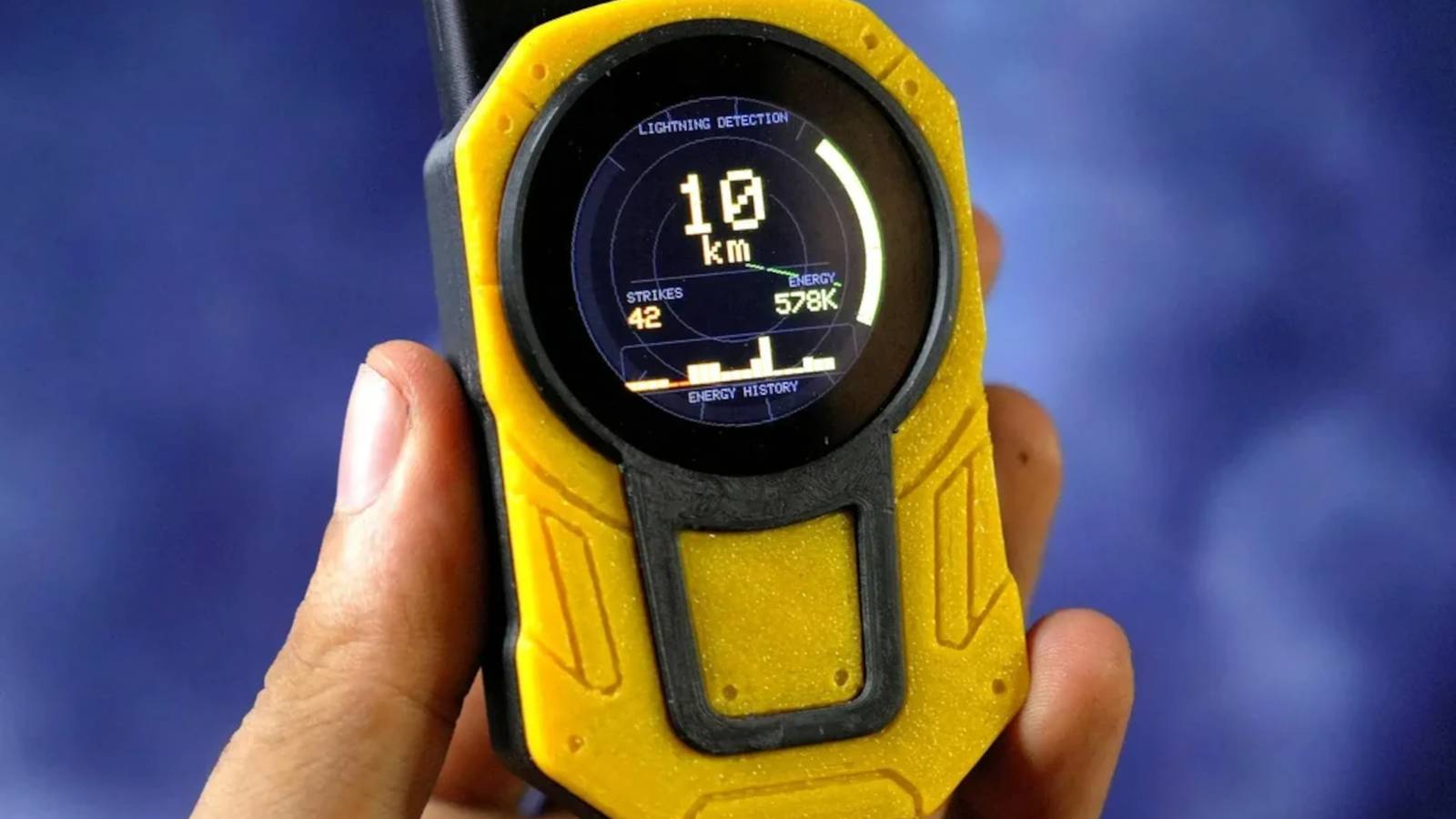
The ESP32 Flash Bee enters the ecosystem not as a polished consumer product, but as a proof-of-concept in edge-sensing. By pairing a palm-sized form factor with the Espressif ESP32 SoC, this DIY lightning radar shifts the burden of atmospheric monitoring from expensive, proprietary stations to low-cost, community-maintained hardware.
The Tech TL. DR:
- Hardware Efficiency: Leverages the $5 ESP32 board to replace specialized, high-cost sensing equipment.
- Data Pipeline: Integrates niche sensors with cloud-based notification systems, such as Telegram, for real-time alerting.
- Deployment Model: Open-source hardware approach that mirrors recent trends in IMU and computer vision integration seen in projects like Space Drums.
The architectural bottleneck for home-grown weather monitoring has historically been the cost of the radio front-end and the power consumption of the processing unit. Proprietary radar systems are often black boxes with closed APIs and steep pricing. The Flash Bee addresses this by utilizing the ESP32’s integrated WiFi and Bluetooth stacks, allowing the device to operate as a lightweight node in a larger IoT mesh. This move toward decentralized sensing is a logical progression from the trend of building cheap smart home sensors to reduce reliance on vendor lock-in.
The SoC Architecture: Why the ESP32 Sustains Edge Sensing
The choice of the ESP32 over a standard Arduino or a more power-hungry Raspberry Pi is a calculated trade-off between latency and energy efficiency. For a lightning radar, the system must maintain a high sampling rate to detect electromagnetic pulses (EMP) while remaining in a low-power state to avoid thermal throttling in outdoor enclosures. The ESP32’s dual-core architecture allows for the separation of sensor polling and network stack management, ensuring that a WiFi handshake doesn’t cause a missed detection event.
| Feature | ESP32 (Flash Bee Base) | Standard Microcontrollers | Single Board Computers (SBC) |
|---|---|---|---|
| Cost | ~$5 USD | $2 – $20 USD | $35 – $100+ USD |
| Connectivity | Integrated WiFi/BLE | External Modules Required | Integrated Ethernet/WiFi |
| Power Profile | Ultra-low (Deep Sleep) | Low | Moderate to High |
| Edge Processing | Moderate (Dual Core) | Low (Single Core) | High (ARM/x86) |
When deploying these nodes at scale, the primary risk shifts from hardware failure to network congestion. Enterprise-grade environments often struggle with the “noisy” nature of DIY IoT devices. To mitigate this, organizations are increasingly employing IoT consultants to implement proper VLAN segmentation and ensure that these edge devices do not become entry points for lateral movement within a corporate network.
Sensor Integration and the Data Pipeline
The Flash Bee follows a design pattern seen in other high-complexity ESP32 projects, such as Arpan Mondal’s Space Drums, which combine the SoC with IMU sensors and computer vision. The technical challenge lies in the signal-to-noise ratio. Detecting lightning requires filtering out the electromagnetic interference (EMI) generated by the ESP32’s own WiFi radio. This requires precise PCB shielding and the use of hardware interrupts to trigger data capture the millisecond a pulse is detected.
Once a signal is validated, the data must be exfiltrated. The most efficient path for a DIY project is through a lightweight API. Following the implementation logic used to send sensor data to Telegram via ESP32, the Flash Bee can push alerts directly to a user’s device without requiring a dedicated mobile app. This bypasses the need for a heavy backend and leverages existing secure messaging infrastructure.
// Example cURL request for pushing sensor alerts to a Telegram Bot API curl -X POST "https://api.telegram.org/bot<TOKEN>/sendMessage" -d "chat_id=<CHAT_ID>" -d "text=Lightning Strike Detected: Distance 12km, Intensity High" For developers looking to scale this from a single “Bee” to a regional network, the transition involves moving from simple HTTP POST requests to an MQTT broker. This architecture reduces overhead and allows for asynchronous communication between multiple radar nodes. However, the lack of native end-to-end encryption in many basic ESP32 libraries poses a security risk. Firms are now deploying cybersecurity auditors to validate the firmware integrity and ensure that sensor data is transmitted over TLS-encrypted channels.
Technical Alternatives and Implementation Realities
Flash Bee vs. Commercial Weather Stations vs. LoRaWAN Nodes
While the Flash Bee is an efficient tool for the hobbyist, it occupies a middle ground between consumer-grade weather stations and industrial LoRaWAN (Long Range Wide Area Network) deployments. Commercial stations offer better weatherproofing but lack the flexibility of the ESP32’s GPIO pins. Conversely, LoRaWAN nodes provide superior range—essential for rural lightning detection—but lack the native high-speed internet connectivity that the ESP32 provides via WiFi.
The deployment reality for the Flash Bee is that it remains a “tinkerer’s” device. The hardware is maintained by the open-source community on platforms like GitHub, meaning the burden of stability and patching falls on the user. This is a stark contrast to enterprise hardware, where SOC 2 compliance and guaranteed SLAs are the baseline. For those moving from prototype to production, partnering with hardware prototyping firms is essential to transition from a breadboard layout to a ruggedized, EMI-shielded enclosure.
The trajectory of the ESP32 is clear: We see no longer just a tool for blinking LEDs. By integrating niche sensors—whether for lightning detection, IMU-based drumming, or smart home automation—the community is effectively commoditizing specialized sensing. The real value is no longer in the hardware itself, which has become a $5 commodity, but in the firmware logic and the data pipelines that turn raw electromagnetic pulses into actionable intelligence.
Disclaimer: The technical analyses and security protocols detailed in this article are for informational purposes only. Always consult with certified IT and cybersecurity professionals before altering enterprise networks or handling sensitive data.