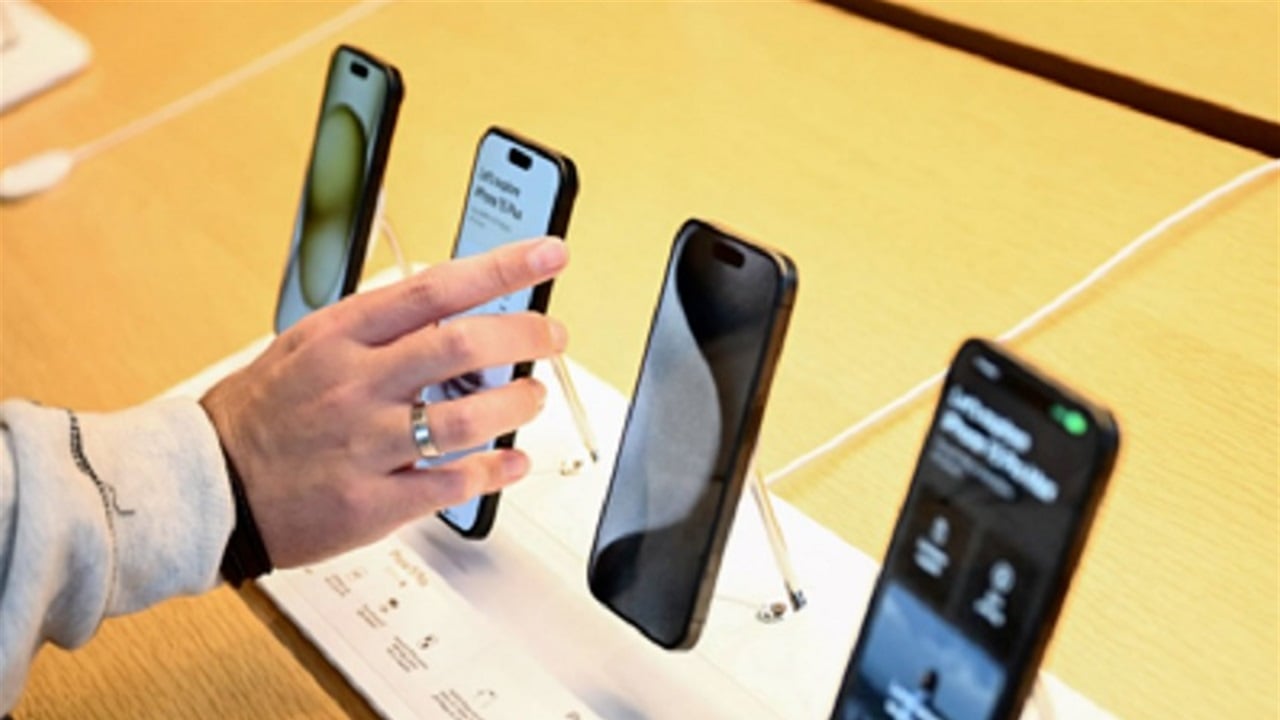
Innovative Antiviral Membrane for Smartphones: A Breakthrough in Mobile Health Protection
On April 22, 2026, Alsumaria reported on a novel antiviral membrane innovation designed for integration into smartphone surfaces, aiming to reduce viral transmission via frequently touched personal devices. This development emerges amid ongoing global efforts to mitigate fomite-based pathogen spread, particularly in high-touch consumer electronics, which studies show can harbor infectious agents for hours to days depending on material and environmental conditions. Even as the concept of antimicrobial coatings on devices is not new, the specific claim of broad-spectrum antiviral efficacy against enveloped viruses—including SARS-CoV-2 and influenza—requires rigorous validation through phased clinical and laboratory evaluation to assess real-world effectiveness and safety.
Key Clinical Takeaways:
- Antiviral smartphone membranes must undergo standardized virucidal testing (e.g., ISO 21702) to confirm log-reduction values against target pathogens under realistic usage conditions.
- No peer-reviewed clinical trial data currently supports the claim that such membranes reduce human infection rates; efficacy remains theoretical without epidemiological validation.
- Consumers should continue practicing hand hygiene and device cleaning as primary prevention methods, pending independent verification of the technology’s public health impact.
The core public health challenge lies in the absence of standardized regulatory pathways for evaluating antiviral claims on consumer electronics. Unlike medical devices or pharmaceuticals, such innovations often bypass formal clinical trial phases, entering the market based on laboratory assays alone. This gap creates a risk of overestimation of protective benefit, potentially leading to behavioral disinhibition—where users neglect handwashing or surface disinfection due to false confidence in the technology. To address this, independent validation through controlled studies measuring both viral load reduction on surfaces and downstream impact on transmission rates in community settings is essential. Such research would ideally follow a phased approach: initial in vitro testing (Phase I equivalent), followed by fomite transmission modeling in controlled environments (Phase II), and finally, real-world observational studies assessing infection incidence among users (Phase III).
According to a 2023 study published in The Lancet Microbe, smartphone surfaces can harbor viable SARS-CoV-2 for up to 28 days under laboratory conditions, underscoring the relevance of surface-intervention strategies. However, the same study emphasized that no disinfection method replaces hand hygiene as the cornerstone of infection prevention. The antiviral membrane described in the Alsumaria report reportedly utilizes a nanostructured polymer layer infused with copper-silver ion complexes, a mechanism shown in prior research to disrupt viral envelopes and inhibit replication. A 2021 ACS Applied Materials & Interfaces study demonstrated that copper-infused surfaces achieved >99.9% reduction in human coronavirus 229E within one hour of exposure. Yet, extrapolation to real-world smartphone employ—where factors like skin oils, sweat, and frequent handling degrade coating integrity—remains unproven.
“While antimicrobial coatings on high-touch surfaces show promise in lab settings, translating that efficacy to meaningful reductions in community transmission requires evidence that the intervention breaks the chain of infection in real human behavior contexts,” said Dr. Elena Rodriguez, PhD, epidemiologist at the Johns Hopkins Bloomberg School of Public Health. “We need trials that measure not just viral decay on glass, but whether using such a device lowers your risk of getting sick compared to a control.”
Funding for the innovation appears to originate from a private technology consortium based in the Gulf region, though no public grant or institutional sponsorship has been disclosed in the available source material. This lack of transparency necessitates caution, as independent verification is critical to avoid conflating technological potential with proven public health utility. In contrast, analogous research—such as the development of antiviral coatings for hospital surfaces—has often been supported by NIH grants (e.g., R01 AI139055) and subjected to peer-reviewed validation in journals like Nature Nanotechnology.
For consumers seeking to minimize infection risk from personal devices, current evidence supports routine cleaning with 70% isopropyl alcohol or disinfecting wipes as effective and accessible measures. Healthcare providers reinforcing hygiene guidance can play a key role in mitigating overreliance on unproven technologies. Individuals concerned about persistent exposure risks—such as those with immunocompromising conditions or frequent clinical contact—may benefit from tailored prevention strategies. It is recommended to consult with vetted infectious disease specialists or primary care physicians to discuss evidence-based protective practices. Occupational health programs in high-risk settings should consider engaging occupational health clinics to assess the role of environmental interventions within broader infection control protocols.
The editorial perspective remains cautiously optimistic: material science innovations that reduce environmental pathogen burden hold value, but only when subjected to the same evidentiary standards applied to medical interventions. Until peer-reviewed data demonstrates a measurable reduction in viral transmission attributable specifically to the membrane—beyond what is achievable through standard hygiene—the technology should be viewed as a potential adjunct, not a replacement, for established prevention methods. Future research must prioritize transparency in funding, standardized testing protocols, and real-world outcome measurement to earn a place in evidence-based public health strategy.
*Disclaimer: The information provided in this article is for educational and scientific communication purposes only and does not constitute medical advice. Always consult with a qualified healthcare provider regarding any medical condition, diagnosis, or treatment plan.*