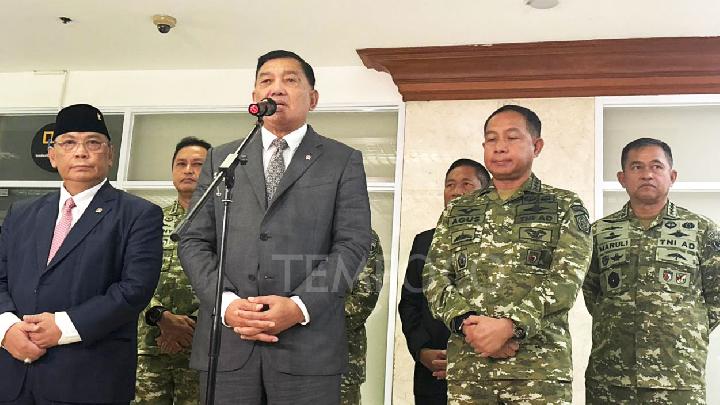
Indonesia’s Military Expansion: Rising Budgets and Growing Civilian Role
The Indonesian Ministry of Defense has formally requested an additional budget allocation of Rp195 trillion for the 2027 fiscal year. This request, intended to support the expansion of the Indonesian National Armed Forces (TNI) territorial units, follows a broader trend of increasing military involvement in civilian governance and infrastructure projects, according to reports from Tempo and The Jakarta Post.
Budget Expansion and Strategic Goals

The Ministry of Defense is seeking the Rp195 trillion increase to facilitate the establishment of 750 new Territorial Development Battalions (Batalyon Pengembangan Teritorial) across the archipelago. According to the Ministry’s planning documents, these units are intended to extend the military’s reach into local communities, ostensibly to assist with national development and disaster response.
The scale of this request signals a significant departure from previous budgetary patterns. While the government has yet to finalize the 2027 budget, economists and military analysts cited by The Jakarta Post note that this funding level would represent a substantial increase in the military’s operational capacity. The proposal comes as the state attempts to balance defense requirements with the fiscal constraints of the national budget.
Concerns Over Civil-Military Relations
The plan to deploy 750 territorial battalions has drawn sharp criticism from civil society organizations, including the Alliance of Independent Journalists (AJI) and the Indonesian Legal Aid and Human Rights Association (PBHI). These groups warn that the initiative mimics the “dwifungsi” or dual-function doctrine that defined the Suharto era, where the military maintained a pervasive role in civilian life and politics.
In a joint statement, AJI and PBHI representatives argued that the expansion of military battalions into local regions could restrict democratic space and threaten press freedom. The organizations expressed concern that the presence of military units in civilian affairs often leads to intimidation of journalists and activists who monitor local government activities. Academics observing the policy shift suggest that the military’s expanding footprint in civilian sectors—ranging from agriculture to regional development—indicates a trend toward the normalization of military influence in non-defense sectors.
Institutional Perspectives on Military Roles
The government maintains that the expansion is necessary for national security and the effective mobilization of resources during crises. However, the disconnect between the Ministry of Defense’s stated security objectives and the concerns raised by watchdog groups remains a point of contention in legislative discussions.
While the Ministry of Defense continues to advocate for the funding to bolster territorial reach, the proposal remains under review by the House of Representatives. No date has been set for a final vote on the budget request, and the Ministry has not yet released a detailed breakdown of how the funds would be distributed across the proposed 750 battalions.