Indonesia’s Free Nutritious Meal (MBG) Program: Progress and Challenges
The Weight of a Billion Meals: Indonesia’s Nutritional Ambition Faces a Reality Check
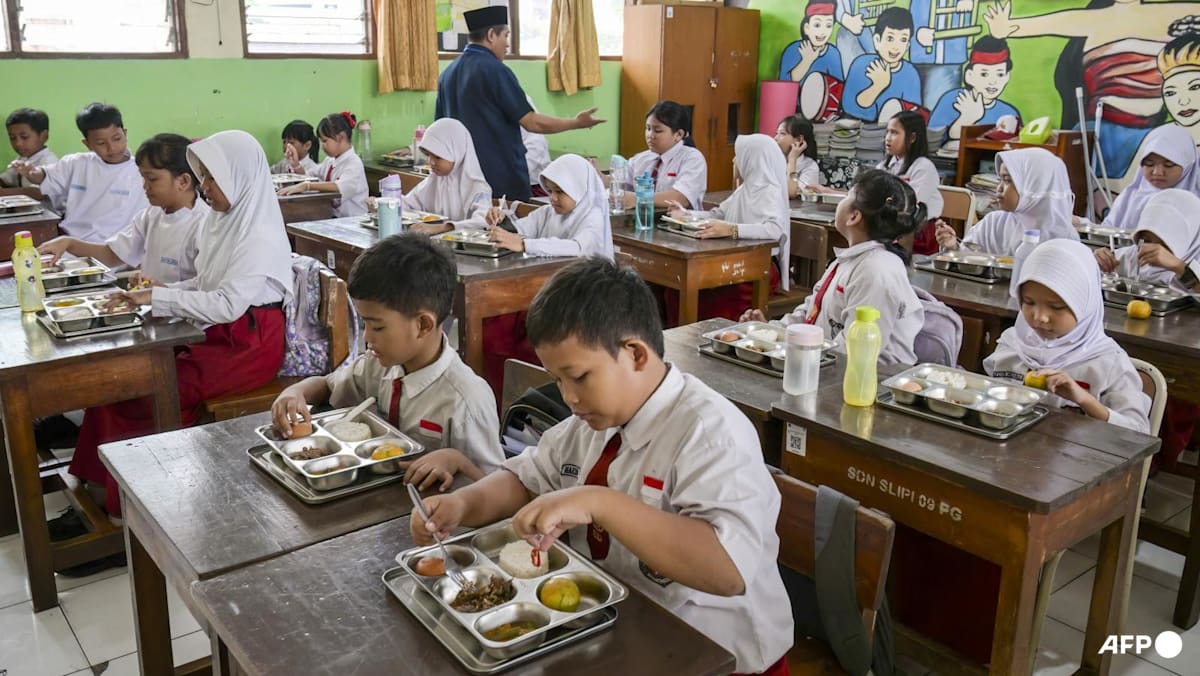
Indonesian President acknowledges significant implementation “problems” within the nation’s massive Makan Bergizi Gratis (MBG) free meal program. Despite distributing over 8 billion meals since January 2025, the initiative faces critical challenges regarding nutritional adequacy and allegations of corruption involving the National Nutrition Agency (BGN) and halal certification markups.
The scale of the Makan Bergizi Gratis (MBG) program is, by any metric, staggering. Since its inception in early 2025, the initiative has moved more than 8 billion nutritious meals into the hands of the nation’s youth. It was designed as a cornerstone of national development, a massive state-led intervention to secure the health and cognitive potential of the next generation. However, as the program moves from its initial rollout into a permanent fixture of the Indonesian social safety net, the cracks in its foundation are becoming impossible to ignore.
The President’s recent admission that the scheme is encountering “problems” marks a pivotal moment in the administration’s handling of one of its most expensive and high-profile social mandates. This represents no longer just a matter of logistical hiccups; This proves a question of whether the state can provide the quality of care it promised without being undermined by systemic inefficiency and graft.
The Nutritional Deficit: A Threat to Human Capital
While the sheer volume of meals distributed suggests a triumph of logistics, the qualitative data tells a more concerning story. Experts have pointed to a significant gap between the program’s intent and its actual delivery. Current assessments suggest that the MBG menu is designed to meet only approximately one-third of the nutritional needs required for optimal growth in the younger generation.
For a program intended to combat stunting and bolster the long-term productivity of the Indonesian workforce, this shortfall is a critical failure. Providing calories is not the same as providing nutrition. If the nutritional density of these 8 billion meals remains insufficient, the program risks becoming an expensive exercise in temporary satiation rather than a permanent investment in human capital.

“The menu is designed to meet only one-third of the nutritional needs, which is a vital component for the growth of the young generation, but it remains far from the comprehensive standard required for long-term developmental success.”
Addressing this gap will require more than just adjusting recipes; it will necessitate a complete overhaul of how ingredients are sourced, processed, and transported. For local municipalities and regional health departments, this creates an immediate need for specialized nutritional consultants and logistics and supply chain management professionals to ensure that “nutritious” is not just a label, but a verifiable reality.
Corruption in the Supply Chain: The Halal Certification Shadow
The integrity of the program is being further challenged by legal scrutiny. The head of the National Nutrition Agency (BGN) has been reported to the Corruption Eradication Commission (KPK) following allegations regarding the markup of halal certification. In a nation where halal compliance is a fundamental requirement for food consumption, any manipulation of certification processes is not merely a financial crime—it is a breach of public trust.
The allegations suggest that the very mechanisms meant to ensure the religious and safety standards of the food supply may have been exploited for illicit profit. This investigation highlights a systemic vulnerability: when a state-funded program reaches this level of scale, the procurement processes become prime targets for exploitation.
The fallout from such investigations often extends far beyond the individuals involved. It creates a climate of uncertainty for vendors and complicates the regulatory landscape for all food producers. As the KPK moves forward, the administration will likely face pressure to implement more rigorous oversight. Navigating these evolving regulatory requirements will require businesses and agencies to consult with top-tier compliance and anti-corruption attorneys to ensure every link in the supply chain is beyond reproach.
Comparing Ambition vs. Reality: The MBG Landscape
To understand the scale of the challenge, one must look at the divergence between the program’s massive output and its current operational hurdles.
| Metric/Challenge | Program Target/Status | Reported Reality/Issue |
|---|---|---|
| Scale of Distribution | Nationwide coverage for youth | Over 8 billion meals distributed since Jan 2025 |
| Nutritional Impact | Comprehensive developmental support | Current menus meet only ~1/3 of nutritional needs |
| Regulatory Integrity | Strict halal/safety compliance | KPK investigation into certification markups |
| Administrative Oversight | Centralized BGN management | Reported “problems” acknowledged by Presidency |
The Path Toward Sustainable Implementation
The “problems” acknowledged by the President are not merely obstacles to be cleared; they are symptoms of the immense difficulty of managing a program of this magnitude. The transition from a massive distribution exercise to a high-quality nutritional program requires a shift in focus from quantity to quality and from expansion to integrity.

To stabilize the program, Indonesia will likely need to lean heavily on third-party verification. This includes the integration of independent financial and operational auditors to monitor the flow of funds and the deployment of advanced food safety and certification auditors to ensure that the halal and nutritional standards are being met at every level of the supply chain.
The success of the Makan Bergizi Gratis program will ultimately be measured not by the billions of meals served, but by the health and capability of the children who eat them years from now. If the administration can bridge the gap between its logistical successes and its nutritional and ethical shortcomings, it may yet secure its legacy. If not, the program may stand as a cautionary tale of how even the most well-intentioned social policies can be undermined by the complexities of scale and the shadows of corruption.
As this massive social experiment continues to unfold, the need for transparency and professional oversight has never been more urgent. For organizations and local governments navigating the complexities of large-scale public procurement and nutritional standards, finding verified specialized compliance and logistics experts through the World Today News Directory is the first step toward building a resilient and trustworthy infrastructure.