
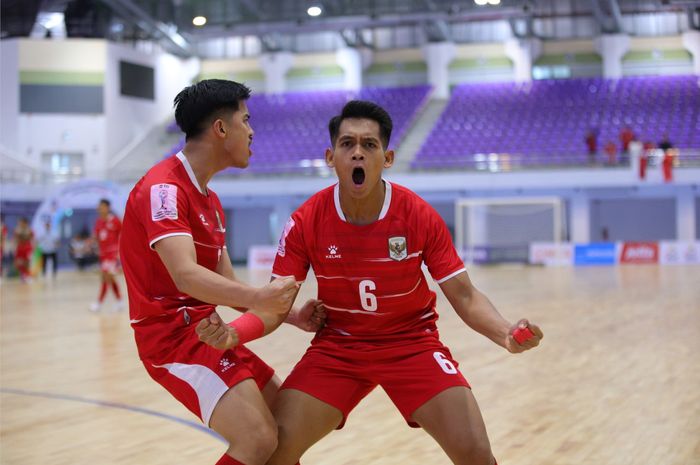
Indonesia vs Vietnam: ASEAN Futsal Championship 2026 Semifinal Schedule & Results
Thailand secured the top spot in Group A of the 2026 ASEAN Futsal Championship after a 4-2 victory over Vietnam in Nonthaburi on April 8. Vietnam, despite the loss, advances to the semifinals where they will face the defending champions, Indonesia, in the tournament’s knockout stage.
The conclusion of the group stage reveals a stark tactical divide between the region’s elite and the chasing pack. While Vietnam entered the final match with significant momentum following a dominant 7-1 dismantling of Timor Leste and a prior victory over Myanmar, they hit a ceiling against a disciplined Thailand squad. This transition from high-scoring dominance to a semifinal clash against the defending champions creates a critical physical and strategic inflection point for the Vietnamese side.
Tactical Breakdown: Thailand’s Control and Vietnam’s Transition
Thailand’s approach under Rakphol Sainetngam was a clinic in early-game pressure and clinical finishing. By establishing a 2-0 lead in the first half—with goals from Itticha Prapaphan in the 16th minute and Sarawut—Thailand forced Vietnam out of their defensive shell. This forced Vietnam to abandon their preferred low-block and engage in a high-risk transition game, which played directly into Thailand’s hands.
From a scouting perspective, Thailand’s ability to maintain their nerves and control the tempo of the match at the Nonthaburi Sports Complex Gymnasium suggests a superior level of periodization. They managed the game’s intensity to ensure they topped Group A, minimizing unnecessary exertion while maximizing efficiency in the final third. Vietnam, conversely, struggled to discover the same rhythm they displayed against Timor Leste, proving that their offensive output is highly dependent on the opponent’s defensive organization.
“Thailand kept their nerves intact to win Group A of the ASEAN Futsal Championship 2026 after beating Vietnam 4-2 at the Central Stadium in Nonthaburi Province tonight.”
The physical toll of these matches cannot be overstated. With the tournament running from April 5 to 12, the turnaround between group matches and the semifinals is brutal. For the Vietnamese players, who have been playing high-intensity minutes to secure their spot, load management becomes the primary concern. While the professional squads have dedicated staff, amateur athletes attempting to mirror these professional training cycles often risk overuse injuries. This underscores the necessity for aspiring players to utilize local orthopedic specialists and rehab centers to manage recovery and prevent long-term ligament damage.
The Semifinal Hurdle: Facing the Defending Champions
Vietnam now moves into a high-stakes encounter with Indonesia, the defending champions. This matchup is not just a test of skill but a test of psychological resilience. Indonesia enters the semifinals with the confidence of a title holder, while Vietnam must recalibrate after their defeat to Thailand. The tactical battle will likely center on the pivot play and the ability to execute a disciplined zonal marking system to stifle Indonesia’s offensive transitions.
The data from the group stage indicates that while Vietnam can blow away lower-seeded teams, they struggle against the tactical rigidity of top-tier opponents. To upset Indonesia, Vietnam will need to improve their defensive transition and avoid the early lapses in concentration that allowed Thailand to seize control of their Group A finale.
The logistical pressure of hosting such an event in Nonthaburi also creates a unique economic ripple. The Nonthaburi Sports Complex Gymnasium, with its 4,000-seat capacity, has become a hub of regional activity. This surge in attendance and the presence of eight international teams create a massive demand for high-end infrastructure and support. The scale of the tournament has required the coordination of regional event security and premium hospitality vendors to maintain the standards required by the ASEAN Football Federation (AFF).
Regional Implications and Tournament Architecture
The 19th edition of the ASEAN Futsal Championship has highlighted the growing gap in the sub-confederation. The fact that there was no qualification process, with all eight entrants advancing directly to the final tournament, puts an immediate spotlight on the disparity in performance. Thailand’s historical dominance—with 16 previous wins—continues to cast a shadow over the competition, though Indonesia’s recent success as defending champions suggests a shift in the power balance.
For the other entrants, such as Malaysia, Australia, and Myanmar, the tournament serves as a benchmark for their development programs. The absence of Cambodia, Laos, and the Philippines, combined with Singapore’s withdrawal after the draw, has condensed the competition, making the road to the final even more volatile. The current trajectory suggests that the “Big Three”—Thailand, Indonesia, and Vietnam—will continue to monopolize the podium, unless there is a significant shift in youth development and professional coaching across the region.
As Vietnam prepares for the semifinal, the focus shifts from the scoreboard to the training table. The ability to recover from the 4-2 loss and physically peak for the Indonesia match will determine if they can return to the final. For the sports business community, the success of this event in Nonthaburi provides a blueprint for future regional championships, proving that concentrated, city-based tournaments can drive significant local engagement and broadcast value.
The road to the 2026 title now narrows. With Thailand as the favorite and Indonesia as the champion to beat, Vietnam enters the semifinals as the underdog with everything to prove. Whether they can bridge the tactical gap remains the defining question of the tournament. For those looking to navigate the complexities of professional sports management, from athlete contracts to facility logistics, the World Today News Directory remains the premier resource for finding vetted sports law experts and operational consultants.
Disclaimer: The insights provided in this article are for informational and entertainment purposes only and do not constitute medical advice or sports betting recommendations.