Indonesia Officials Reject Civil Servant Salaries via Cooperatives
Civil servants in Indonesia will continue receiving their salaries through standard bank transfers rather than village cooperatives, as Finance Ministry and administrative reform officials rejected proposals to alter state payroll mechanisms. detikFinance reported that Deputy Minister of Finance Suahasil Nazara and Minister of Administrative and Bureaucratic Reform Rini Widyantini confirmed the existing payment structure remains unchanged.
Cabinet Ministers Clash Over Cooperative Payroll Proposals
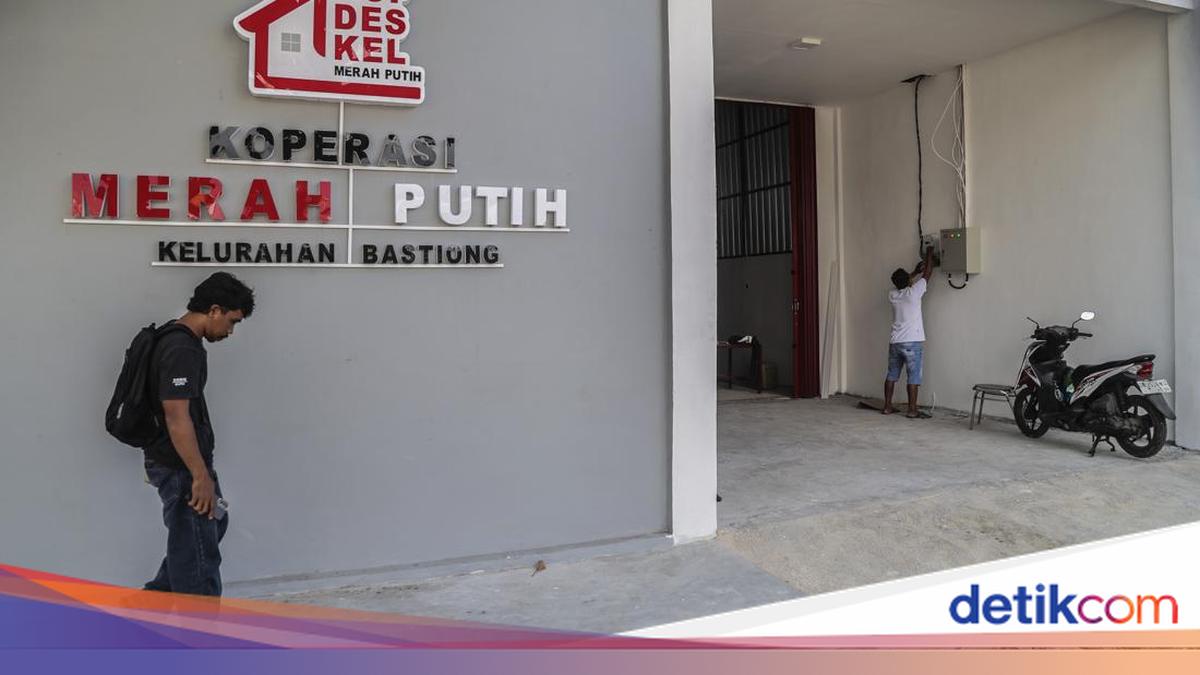
The payroll confirmation follows public debate sparked by Minister of Cooperatives Ferry Juliantono, who announced plans to route state salaries through Village and Sub-district Merah Putih Cooperatives, known as Kopdes Merah Putih. Ferry stated that the cooperatives offered to act as an additional payment instrument for active personnel and retirees, aiming to expand cooperative financial services. CNN Indonesia noted the proposal was tied to broader legislative efforts involving the Draft Law on Cooperatives currently under discussion in the national legislature. Ferry stated that each KDKMP will cooperate with PT Pos Indonesia, BRIlink, and other service providers. Ferry had previously stated that the plan would be realized this year, adding that the proposal had been submitted to the Ministry of Finance and would be ready for payment. Ferry also stated at the Presidential Palace complex in Jakarta, Wednesday (21/10/2026), Nanti akan dilaksanakan rapat bersama,
after speaking directly with Suahasil.
However, the financial and administrative leadership immediately distanced themselves from the cooperative disbursement model. Suahasil Nazara stated clearly that state funds will continue moving through direct treasury and banking channels without routing through third-party cooperatives. It will remain like now, I will keep transferring just like now,
Suahasil said at the Presidential Palace complex in Jakarta, Tuesday (20/10).
Administrative Reform Ministry Prioritizes Worker Convenience
Kompas reported Rini’s insistence that payroll methods must never complicate the daily lives of civil servants. The important thing is that ASN get their rights easily, comfortably, transparently.
That’s all, the principle is not to make it difficult for ASN,
Rini stated, speaking at the Presidential Palace in Jakarta on Wednesday (21/10/2026) night.
ANTARA News Megapolitan noted that when questioned about whether cooperative disbursement inherently disadvantages workers, Rini clarified she did not label the cooperative model as burdensome. Instead, she maintained that existing digital banking frameworks already provide sufficient ease. Rini also admitted she needed to gather more information regarding the cooperative mechanism directly from the finance ministry, confirming no prior cross-ministerial coordination had established the framework.

Local Authorities Await Central Technical Directives
Regional financial administrators confirm that municipal payroll offices received no formal instructions to alter disbursement systems. Disway reported that M. Ghufran D., Head of the Financial and Asset Management Agency for Lahat Regency, stated the cooperative payroll concept remains entirely hypothetical at the local government level. For now there are no technical guidelines, either from the Ministry of Finance or from the Ministry of Home Affairs,
Ghufran explained on Wednesday (21-10-2026).
Regional treasuries depend on strict technical regulations issued jointly by central ministries before implementing changes to employee compensation workflows. Without formal directives, local governments continue normal banking operations for regional personnel. Meanwhile, Ferry Juliantono insisted that upcoming cabinet discussions will address the cooperative payment proposal directly with the Ministry of Finance, leaving the ultimate fate of the cooperative expansion to be resolved at the ministerial level.