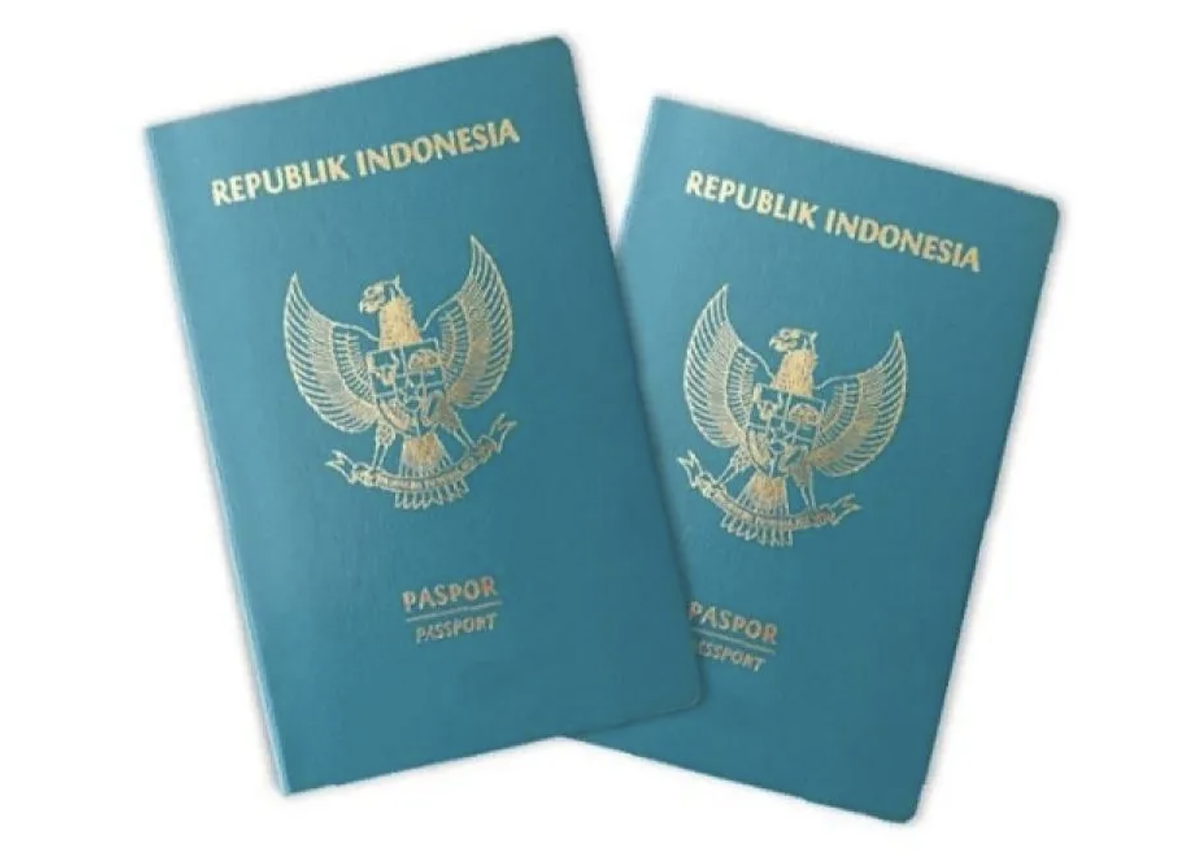
Indonesia Mulls Limited Dual Citizenship to Attract Strategic Diaspora Talent
Indonesia is proposing a limited dual citizenship framework through revisions to its Citizenship Law to attract millions of strategically important diaspora talent, according to statements by President Prabowo Subianto and Justice Minister Supratman Andi Agtas reported in July 2026.
The Policy Shift Behind Indonesia’s Dual Citizenship Proposal
The Indonesian government has submitted a proposed amendment to the Citizenship Law designed to accommodate highly skilled members of the Indonesian diaspora. According to Justice Minister Supratman Andi Agtas, the proposal has already been presented to President Prabowo Subianto. The administration expects the President to issue a formal Presidential Letter before the bill moves to the House of Representatives (DPR) for legislative debate.
This legislative push directly addresses long-standing public aspirations. Many talented Indonesians living abroad possess critical expertise that could benefit the domestic economy, yet they remain reluctant to relinquish their foreign citizenship. Under current legislation—specifically Citizenship Law No. 12 of 2006—dual citizenship is strictly limited to children born outside Indonesia to mixed-nationality parents. Those children must choose a single nationality upon turning 18 or getting married, whichever occurs first.
The upcoming reform seeks to change that dynamic for a highly targeted group of professionals. Former Coordinating Minister for Maritime Affairs and Investment Luhut Binsar Pandjaitan initially floated a similar concept in 2024. However, that earlier trial balloon stalled because officials acknowledged that implementation required a complete overhaul of the existing nationality statutes.
Who Qualifies for Limited Dual Citizenship?
The proposed framework will not be universally available to all citizens living abroad. Government officials emphasize that the scheme is strictly selective, built entirely around national strategic needs rather than individual applications.

According to Ministry of Law announcements, eligibility will be restricted to individuals possessing rare expertise deemed essential to the country’s interests. Designated fields include nuclear science, advanced chemistry, medicine, and elite athletics where top competitors are needed to represent Indonesia internationally. Furthermore, candidates cannot simply apply on their own volition. Applicants must receive formal nominations and sponsorships from relevant government ministries, state institutions, or recognized sports organizations.
Economic Realities and Regional Implementation
The proposed dual citizenship framework aims to bridge the gap between global professional mobility and domestic development goals.
Yet, the initiative remains at an early stage. Its ultimate success depends entirely on whether lawmakers in the House of Representatives agree to incorporate the measure into the broader upcoming revision of the Citizenship Law.
The legislative debate in the coming months will test whether executive ambition can successfully overcome historical resistance to dual nationality in Southeast Asia’s largest economy.