
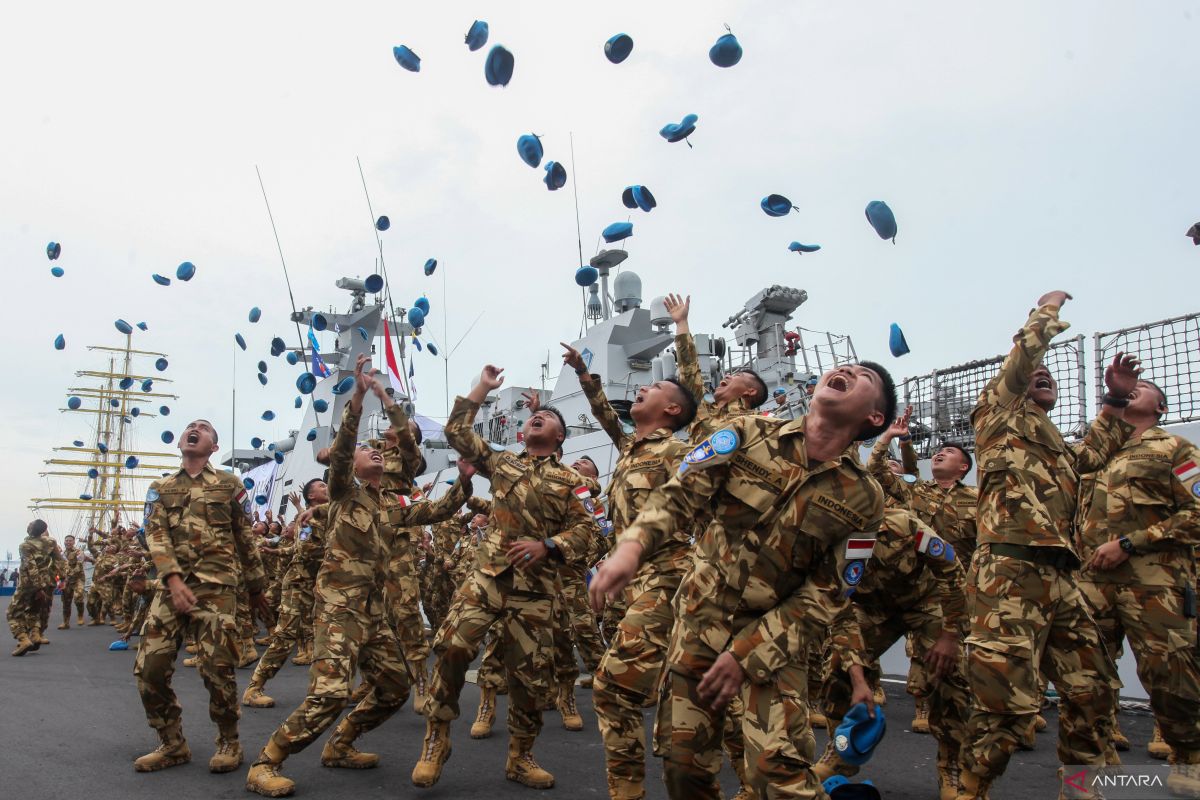
Indonesia mourns three TNI UNIFIL Peacekeepers who fell in Lebanon
The Indonesian government has confirmed the deaths of three military personnel serving with the United Nations Interim Force in Lebanon (UNIFIL) following separate artillery and combat incidents in South Lebanon between March 29 and March 30, 2026. State Secretary Minister Prasetyo Hadi announced the repatriation efforts on behalf of the President, while Foreign Minister Sugiono demanded an immediate UN Security Council investigation, marking a critical escalation in the safety protocols for international peacekeepers operating in the volatile border region near Adchit Al Qusayr.
The loss of life within the Garuda Contingent is not merely a statistic. it represents a fracture in the delicate security architecture of the Levant. When uniformed personnel fall during a mandated peacekeeping operation, the ripple effects extend far beyond the battlefield. It triggers a complex chain of diplomatic maneuvering, legal repatriation logistics, and profound grief management for families thousands of miles away. This tragedy underscores a grim reality: the role of the neutral observer is increasingly becoming a target in modern asymmetric warfare.
The Escalation in South Lebanon
The sequence of events unfolded with alarming speed over a 48-hour window. On Sunday, March 29, Chief Private Farizal Rhomadhon was killed by artillery fire. The location, near the contingent’s position in Adchit Al Qusayr, places the incident in one of the most contested sectors of the southern Lebanese frontier. This area has historically been a flashpoint, but the precision of recent strikes suggests a shift in tactical engagement rules by non-state actors in the region.

Less than 24 hours later, the situation deteriorated further. On Monday, March 30, two additional soldiers—Captain (Infantry) Zulmi Aditya Iskandar and First Sergeant Muhammad Nur Ichwan—were killed while escorting UNIFIL troops. The nature of this second incident, occurring during a protective escort mission, highlights the extreme volatility facing ground forces. These are not isolated accidents; they are symptomatic of a broader degradation of the ceasefire lines that have held, however tenuously, for decades.
Major General Aulia Dwi Nasrullah, Head of the Indonesian National Armed Forces Headquarters Information Center, confirmed the identities of the fallen soldiers, bringing the human cost of this diplomatic crisis into sharp focus. The government’s response has been swift. Minister of Foreign Affairs Sugiono contacted UN Secretary-General Antonio Guterres directly, emphasizing that the security of peacekeepers is “non-negotiable.”
“When the sanctity of the Blue Helmet is violated, it is not just an attack on a soldier; it is an assault on the international legal framework itself. We are seeing a dangerous normalization of targeting neutral observers in the Levant.”
This sentiment is echoed by security analysts monitoring the region. Dr. Elena Rossi, a Senior Fellow at the International Institute for Strategic Studies specializing in Middle Eastern conflict zones, notes that the protection of peacekeepers requires a fundamental rethink of engagement rules. “The traditional buffer zone model is failing,” Rossi stated in a briefing earlier this week. “Nations contributing troops must now demand robust, real-time intelligence sharing and enhanced armored capabilities before deploying personnel to sectors like South Lebanon. The cost of inaction is measured in lives.”
The Diplomatic and Legal Aftermath
Indonesia’s call for an emergency UN Security Council meeting signals a move from mourning to accountability. The demand for a “swift, thorough, and transparent investigation” places immense pressure on UNIFIL command structures. However, the immediate practical challenge facing the Indonesian state is the repatriation of the fallen.
Transporting human remains from an active conflict zone involves a labyrinth of international logistics, customs clearances, and military honors protocols. This is where the machinery of the state must interface with specialized private sectors. Families and government bodies often require the expertise of international repatriation attorneys who specialize in cross-border military claims and sovereign immunity issues. Navigating the insurance and compensation frameworks for soldiers killed under UN mandates is a legal minefield that requires precision to ensure the families receive the support they are owed under international law.
the psychological impact on the surviving troops in the field cannot be overstated. The order to “increase vigilance” issued by the Defense Ministry is a standard operational procedure, but it places soldiers in a state of hyper-arousal. The mental health toll on units that have suffered combat losses is severe. This necessitates the involvement of specialized trauma counselors and psychological support networks that understand the unique stresses of peacekeeping deployments. The government’s coordination with the Ministry of Defense is only the first step; long-term care for the unit’s morale is equally critical.
Timeline of the Crisis
To understand the velocity of this developing story, we must look at the chronological breakdown of the last 72 hours. The rapid succession of events suggests a coordinated or opportunistic spike in hostilities.

| Date | Event | Location | Official Response |
|---|---|---|---|
| March 29, 2026 | Artillery strike kills Chief Private Farizal Rhomadhon. | Adchit Al Qusayr, South Lebanon | TNI Commander orders immediate security review. |
| March 30, 2026 | Two soldiers killed during escort mission. | South Lebanon Sector | Foreign Minister Sugiono contacts UN Secretary-General. |
| March 30, 2026 | Emergency UN Security Council meeting requested. | New York / Jakarta | Indonesia demands transparent investigation. |
| March 31, 2026 | State Secretary confirms repatriation efforts. | Jakarta | President issues official condolences; vigilance orders issued. |
Security Implications for Future Deployments
The deaths of Captain Iskandar and Sergeant Ichwan while on an escort mission raise uncomfortable questions about the rules of engagement for UNIFIL. Are peacekeepers adequately equipped to defend themselves when the “peace” they are keeping has evaporated? For nations considering future contributions to UN missions, the risk calculus has changed.
Organizations and NGOs operating in similar high-risk environments must look to global risk assessment firms to audit their own security postures. The tactics used against the Indonesian contingent—artillery and ambush during transit—are applicable to humanitarian convoys and diplomatic staff across the region. The “Information Gap” here is the lack of public data on the specific threat intelligence available to the contingent prior to the attacks. Was there a failure of intelligence, or a failure of response? This is the core question the UN investigation must answer.
As the bodies of the three soldiers begin their journey home, the focus shifts from the immediate tragedy to the long-term geopolitical fallout. Indonesia has long been a pillar of UN peacekeeping, but this event serves as a stark warning. The world is becoming more dangerous for those who attempt to keep the peace. The directory of global services—from legal experts handling sovereign claims to security firms hardening perimeters—stands ready to support the infrastructure of international diplomacy. But no amount of professional mitigation can fully account for the human cost paid on the dusty roads of South Lebanon.
the measure of a nation’s resolve is not just in how it fights, but in how it honors those who fall in the line of duty. As Jakarta mourns, the global community must ask itself if the current framework for peacekeeping is fit for the conflicts of 2026, or if we are sending soldiers into a void that no amount of blue armor can protect them from.