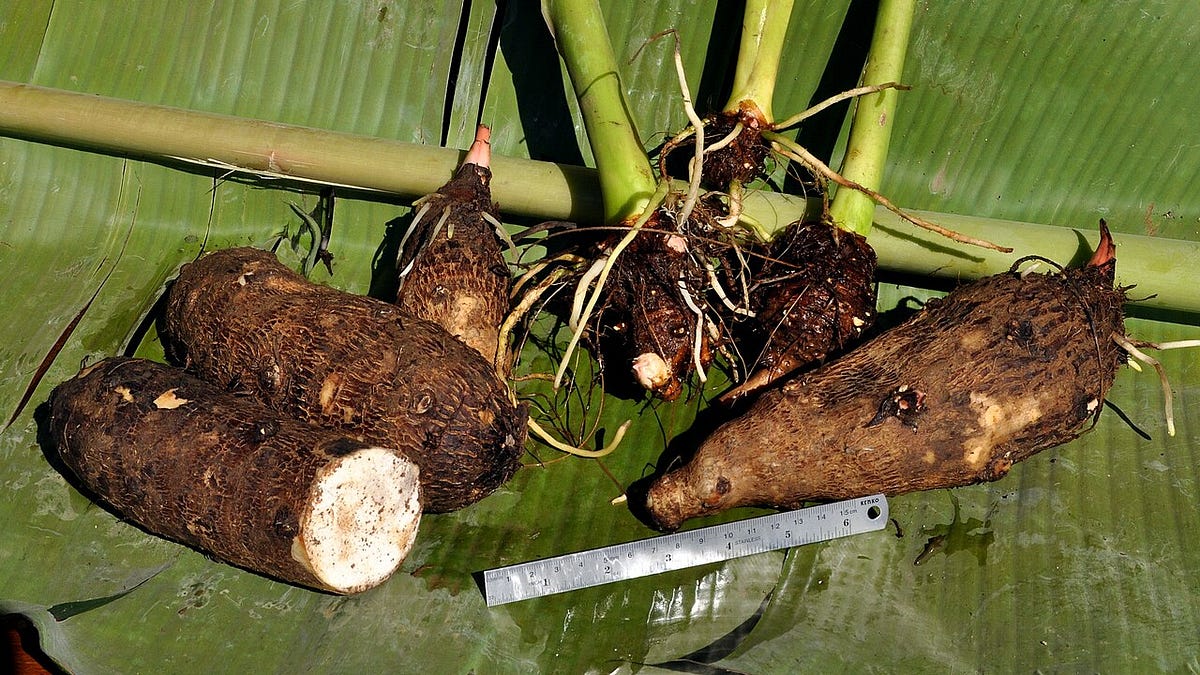
Indonesia Forgotten Tubers Go Viral From Kimpul to Mie Ganyong
Indonesia is experiencing a culinary shift as forgotten local tubers such as kimpul and traditional noodle variations like mie ganyong go viral across digital platforms, according to the Southeast Asia Desk. Consumers and food creators are rediscovering these indigenous starch sources, bringing regional Indonesian ingredients into contemporary mainstream discussions.
The Rise of Kimpul and Indigenous Starches
According to the Southeast Asia Desk, kimpul and similar regional root vegetables have gained significant traction online as internet users showcase alternative carbohydrate sources. Long overshadowed by imported rice and wheat, these tubers are stepping back into the culinary spotlight through social media recipe videos and food documentation projects.
The renewed interest highlights a broader shift toward domestic biodiversity. While urban centers have traditionally relied heavily on standardized grain supplies, digital networks allow regional producers and home cooks to highlight heirloom crops that have sustained rural communities for generations.
From Tradition to Trend with Mie Ganyong
Alongside raw tubers, processed adaptations like mie ganyong are capturing public attention online, as reported by the Southeast Asia Desk. Ganyong, known botanically as Canna edulis or Queensland arrowroot, is being processed into noodles that offer an alternative to conventional wheat-based instant products.
Food content creators across Indonesian digital spaces are testing these noodle variants, reviewing their textures, and sharing preparation methods with audiences unfamiliar with traditional starch alternatives. The trend points to a growing consumer appetite for locally sourced, gluten-free, or heritage-based food products.
Agricultural extension offices and local food networks continue to monitor the distribution of these native crops as digital demand intersects with traditional farming practices.