
Indonesia Braces for Early Dry Season as Forest Fires Rise
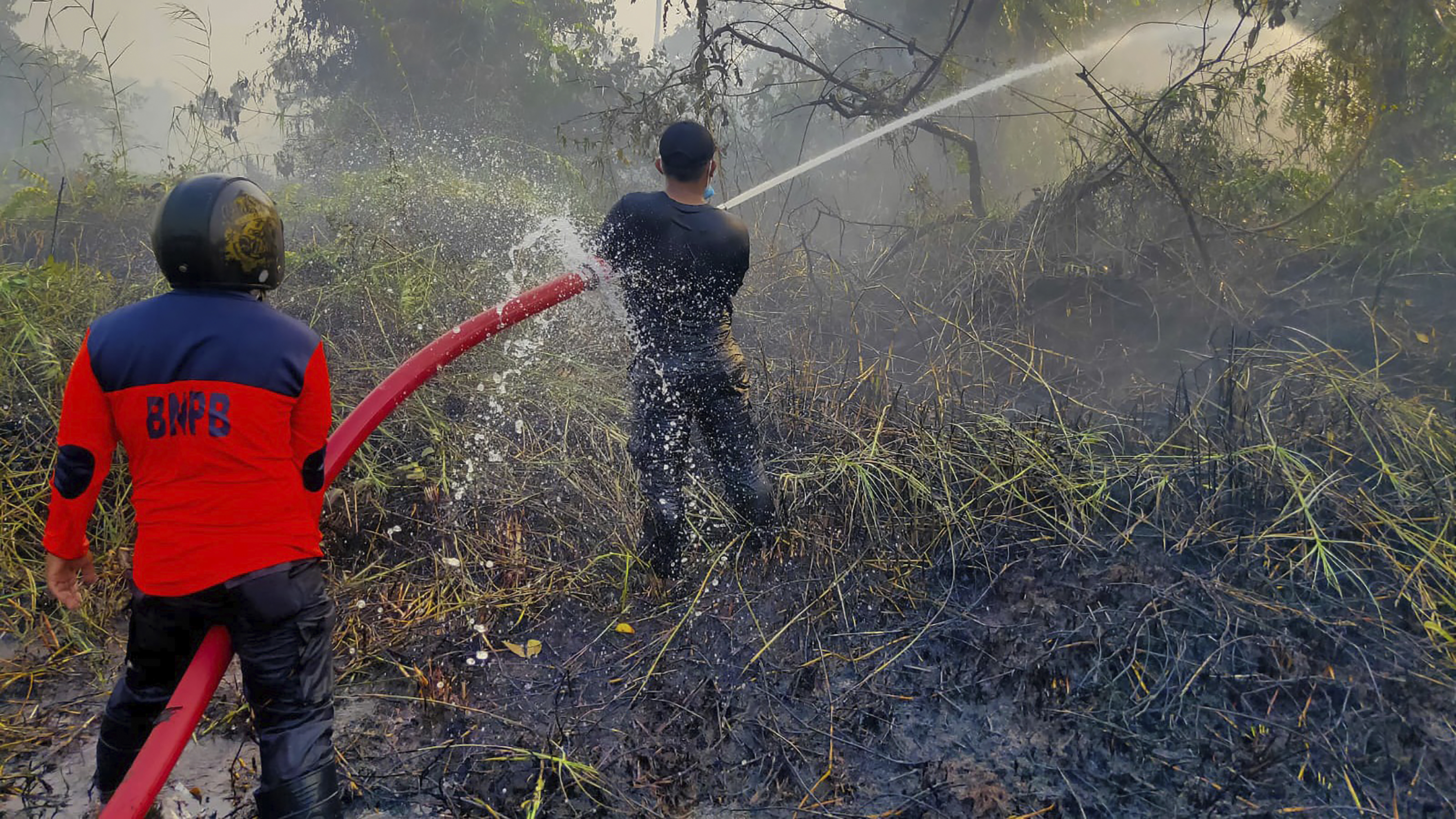
Indonesia has initiated emergency measures to combat a surge in forest and land fires as the country faces an early onset of the dry season. The National Disaster Management Agency (BNPB) has reported an increase in hotspots across several provinces, prompting the mobilization of personnel and equipment to prevent widespread haze.
Deployment of Resource and Personnel
The Indonesian government has coordinated the deployment of water-bombing aircraft and ground crews to the most affected regions. These efforts are focused on suppressing fires in peatlands, which are historically more difficult to extinguish due to the organic material burning beneath the surface. The BNPB is working alongside the Ministry of Environment and Forestry to monitor satellite data and deploy rapid-response teams to identified hotspots.
Climatic Drivers and Environmental Risks
Meteorological data indicates a shift in weather patterns that has accelerated the arrival of the dry season. This premature dryness has left vegetation more susceptible to ignition, while the degradation of peatland ecosystems has increased the volatility of the terrain. The resulting smoke and haze pose immediate risks to air quality in local communities and have the potential to drift across national borders, affecting neighboring Southeast Asian states.
Institutional Mitigation Strategies
Authorities are implementing a combination of preventive and reactive strategies. Preventive measures include the modification of weather to induce rainfall in critical areas and the maintenance of canal blocks in peatland restoration zones to retain the soil moist. Reactive measures involve the use of heavy machinery to create firebreaks, isolating blazes from larger tracts of forest.
The government continues to coordinate with regional administrations to enforce bans on land clearing through burning, a practice that frequently triggers uncontrolled wildfires during the dry season. Local officials are tasked with patrolling high-risk zones and providing early warnings to rural populations.
The BNPB maintains a continuous monitoring cycle to determine if additional international assistance or specialized equipment will be required as the dry season progresses.