
Indonesia Bans Children Under 16 From Social Media
Indonesia enforces a strict ban on social media access for children under 16 starting March 28, 2026. This landmark regulation targets major platforms like TikTok and YouTube to curb cyberbullying and addiction, directly affecting approximately 70 million minors. It marks a pivotal shift in Southeast Asian digital governance, prioritizing child safety over unrestricted access and forcing a global reckoning on age verification technology.
The screens went dark for millions of teenagers in Jakarta this Saturday morning. At 01:17 local time, the digital landscape of the world’s fourth-most populous nation shifted irrevocably. Indonesia has officially begun implementing a government regulation that bans children younger than 16 from accessing digital platforms deemed high-risk. This represents not a suggestion. It is a mandate.
For Lucas Fernandez and the team here at World Today News, this represents more than a policy update. It is a stress test for the modern internet. As the first country in Southeast Asia to enact such a sweeping prohibition, Indonesia is effectively drawing a line in the sand against the algorithmic exploitation of minors. The regulation covers the usual suspects: YouTube, TikTok, Facebook, Instagram, Threads, X, Bigo Live, and Roblox.
The Enforcement Paradox
Communication and Digital Affairs Minister Meutya Hafid stated earlier in March that this measure applies to roughly 70 million children within a population of 280 million. That is a quarter of the country. The stated goal is clear: protect minors from pornography, cyberbullying, online scams, and addiction. But the mechanism of enforcement remains the critical unknown variable.
Unlike Australia, which implemented a similar ban last year focusing on account revocation, Indonesia’s approach relies heavily on a “self-assessment” framework for platforms. This creates a significant compliance gap. High-risk platforms are identified by their exposure to strangers and potential predators, yet the technical burden of verifying age without compromising user privacy falls on the tech giants.
Elon Musk’s X platform has already adjusted its Indonesia Online Safety Information page, listing 16 as the minimum age. “It’s not our choice – it’s what Indonesian law requires,” the platform noted. Google-owned YouTube expressed support for the risk-based framework but stopped short of confirming immediate mass deactivations. This hesitation highlights the friction between national sovereignty and global tech infrastructure.
For businesses operating in this space, the ambiguity is a liability. Navigating the penalties for non-compliance requires precise legal navigation. Multinational corporations and local startups alike are now consulting top-tier technology law firms to shield their assets and ensure their age-gating protocols meet the new statutory requirements. The cost of ignorance here is not just a fine; it is a ban from the market.
A Family in Transition
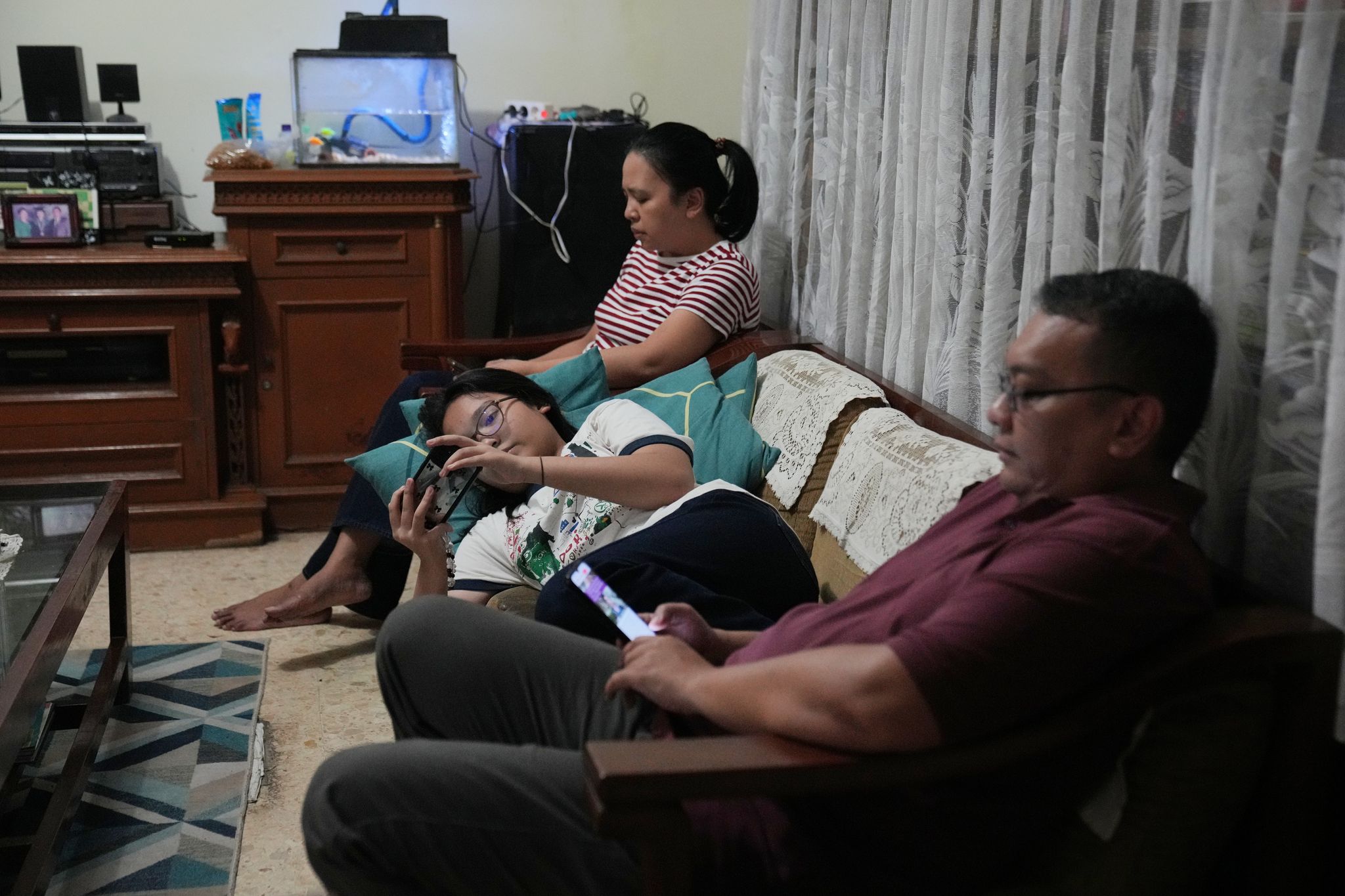
The human cost of this transition is visible in households across Java. Take the Munthe family in Jakarta. Maura Munthe, 13, spends roughly four hours a day on her phone. Her mother, Leni Sinuraya, admits that control has slipped away from parents and into the hands of algorithms.
“Nowadays, when we see kids sitting in a restaurant, they have a phone right in front of them. It’s clear that they’re addicted. They won’t eat unless they’re given a phone, and they throw a tantrum if they aren’t.”
Sinuraya’s observation echoes a global sentiment, but the solution presents a new challenge. When the digital pacifier is removed, what fills the void? Maura says she feels “50-50” about the policy. She worries about missing out on entertainment but acknowledges the need for change. “I will likely play more games alone or just hang out with my friends,” she said.
This sudden behavioral shift will strain family dynamics. The withdrawal symptoms of digital detoxification in adolescents are real and documented. We anticipate a surge in demand for child psychologists and family counselors who specialize in digital addiction. Parents are no longer just managing screen time; they are managing a fundamental rewiring of their children’s social habits.
The Economic Ripple Effect
Beyond the family unit, this regulation disrupts the “Creator Economy.” Indonesia is a massive market for influencer marketing. By removing the under-16 demographic from platforms like TikTok and Instagram, brands lose a significant portion of their audience and, crucially, a segment of their content creators. Teen influencers who built audiences prior to the cutoff now face an existential threat to their income streams.
Diena Haryana, founder of the SEJIWA foundation, notes that although social media impacts mental health, it too offers learning realms. “We also need to remember that they need to learn to use this digital technology at the right time, at the right age, and with the right guidance as well,” Haryana said.
The gap left by social media bans must be filled with structured alternatives. This opens a market opportunity for educational technology providers who can offer safe, curated, and age-appropriate digital environments. The demand for “walled garden” learning platforms that comply with Indonesian law while providing engagement is about to skyrocket.
Global Precedent and Local Reality
Indonesia is not alone. Spain, France, and the United Kingdom are considering similar measures. Though, the implementation in the Global South carries unique challenges regarding digital literacy and infrastructure. The UNICEF Indonesia office has long advocated for online child safety, but the speed of this regulatory rollout tests the capacity of civil society to respond.
The AP News taxonomy classifies this under “Government Regulation” and “Technology,” but the impact is deeply sociological. As Minister Hafid admitted, “This is certainly a task. But we must take steps to save our children.”
The gradual implementation plan suggests the government knows enforcement will be messy. Platforms will test boundaries. Parents will seek workarounds. Children will migrate to unregulated corners of the web.
The Long Game
This is not a story that ends when the servers update. It is the beginning of a new era of digital sovereignty. For the next six months, we will watch closely to see if the “real world” engagement Haryana predicts actually materializes, or if the digital void simply creates new, darker markets for underage access.
For now, the phones in Jakarta are quieter. The restaurants are louder. The experiment has begun. As this story develops, World Today News will continue to track the legal precedents and the human impact, connecting you with the verified professionals who are navigating this new reality on the ground.