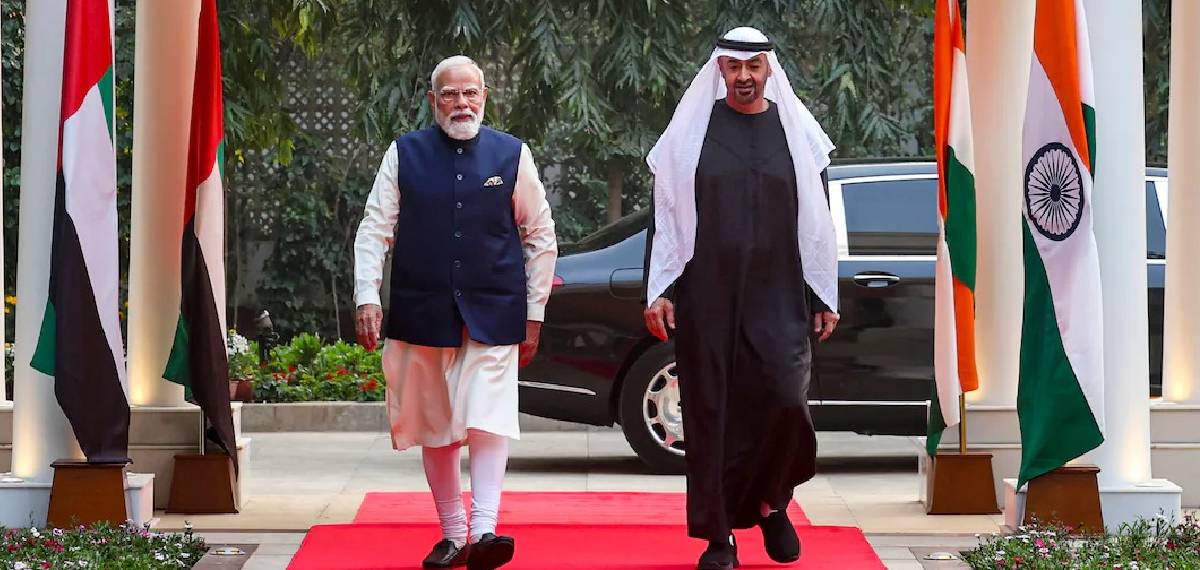
India-UAE Energy Deal: Modi’s Strategic Visit to Boost LPG, Crude Oil Partnerships
On May 14, 2026, Indian Prime Minister Narendra Modi arrived in the UAE to sign two landmark energy agreements—one securing long-term LPG supply deals and another expanding India’s strategic petroleum reserves—amid escalating geopolitical tensions in the Strait of Hormuz. The move cements the UAE as India’s most critical Gulf energy partner, while Modi’s subsequent five-nation European tour signals a pivot toward diversifying supply chains away from volatile Middle Eastern transit routes. With bilateral trade already exceeding $100 billion annually and remittances from 3.5 million Indian expatriates stabilizing India’s forex reserves, this visit marks a turning point in Asia’s energy security calculus.
The Energy Security Imperative: Why the UAE-Indian Pact Matters Now
The Strait of Hormuz—through which 20% of global oil flows—has become the world’s most dangerous chokepoint since Iran’s 2025 blockade, triggering a 30% spike in premium fuel prices for Asian importers. India, which imports 85% of its crude, faces an existential threat: its refining hubs in Gujarat and Maharashtra could face shortages if alternative routes (e.g., the Suez Canal) are disrupted. The UAE’s decision to exit OPEC in early 2026, while maintaining bilateral supply pacts with India, reflects a strategic gambit—positioning itself as a non-aligned energy arbitrageur in a polarizing region.

“This isn’t just about LPG or oil reserves—it’s about India’s ability to decouple from the OPEC straitjacket. The UAE is offering a lifeline, but the real question is whether New Delhi can replicate this model with other Gulf states before the Hormuz crisis deepens.”
Decoding the Agreements: LPG vs. Strategic Reserves
- LPG Supply MoU: Locks in 3 million metric tons annually of UAE-sourced LPG for India’s domestic market, easing pressure on subsidized cooking fuel prices ahead of the 2026 monsoon season. The deal includes a 10-year price stabilization clause tied to the Dubai Mercantile Exchange benchmark.
- Strategic Petroleum Reserves (SPR) Expansion: The UAE will co-invest in India’s underground SPR facilities (currently at 5.33 million metric tons capacity), with plans to add 2 million metric tons of storage by 2028. This aligns with India’s 2025 Energy Security Act, which mandates a 90-day oil stockpile.
Macro Ripple Effects: How This Reshapes Global Supply Chains
The pact sends shockwaves through three critical markets:
| Market Impact | India’s Gain | Global Repercussions | Corporate Response |
|---|---|---|---|
| Asian LPG Pricing | Subsidized domestic prices shield Indian consumers from global volatility. | Singapore’s spot LPG hub loses market share as India locks in long-term contracts. | Traders are already consulting commodity risk analysts to hedge against regional price divergence. |
| Middle East Energy Arbitrage | UAE bypasses OPEC quotas, undercutting Saudi/Iranian influence in India’s market. | Saudi Aramco accelerates its $20 billion refining joint venture in India to counter UAE’s inroads. | Energy firms need strategic energy consultants to navigate the new Gulf-Non-Gulf competition. |
| Dollar Dependency | Local Currency Settlement (LCS) system reduces INR/AED transaction costs by 15–20%. | China and Russia observe the model closely; both are exploring similar mechanisms with Gulf states. | Multinationals are engaging FX structuring experts to optimize cross-border payments. |
The European Pivot: Modi’s Five-Nation Tour and the New Cold Supply Chain
Modi’s stopovers in the Netherlands, Sweden, Norway, and Italy are less about energy and more about diversification. The Netherlands—home to Europe’s largest petrochemical hub—is poised to become a key LNG supplier, while Norway’s $12 billion equity oil fund is eyeing stakes in India’s upcoming SPR expansions. Sweden’s state-owned Vattenfall is in advanced talks to supply 1.5 million tons of bio-LPG annually, reducing India’s carbon footprint by 3% by 2030.
“India is playing the ultimate hedging strategy: deepen Gulf ties while building a European energy corridor. The message to OPEC is clear—we’re not putting all our eggs in one basket.”
Security Risks and the Diaspora Factor
The 3.5 million Indian expatriates in the UAE—who remit $22 billion annually—are a wild card. Their safety in a potential Hormuz conflict could trigger capital flight. Meanwhile, the UAE’s decision to exit OPEC without joining any rival bloc (e.g., IPEF) leaves India in a limbo: Does Abu Dhabi’s move signal a permanent shift toward market-based pricing, or is it a tactical play to pressure Tehran?
The Long Game: What This Means for Global Firms
Three immediate action items for corporations:
- Supply Chain Resilience: Companies with Indian operations must diversify their energy procurement. Firms like global logistics providers are already mapping alternative routes via the Suez Canal and African pipelines to mitigate Hormuz risks.
- Regulatory Arbitrage: The UAE-Indian LCS system could inspire similar INR-based trade corridors. Cross-border trade lawyers are advising clients to preemptively structure rupee-denominated contracts with Gulf partners.
- Geopolitical Risk Insurance: With the Strait of Hormuz tensions escalating, insurers are offering premiums for “Hormuz Transit Clauses” in marine policies. Specialist risk consultants recommend bundling these with cybersecurity coverage, given Iran’s history of digital sabotage against energy infrastructure.
The Kicker: A Chessboard Without Kings
Prime Minister Modi’s UAE visit isn’t just about energy—it’s about autonomy. By 2030, India aims to import 50% of its oil from non-OPEC sources. The UAE pact is the first domino. The next will be whether Saudi Arabia, Iran, or even Russia can offer a more attractive alternative. For global firms, the lesson is clear: the era of single-supplier dependency is over. The question is no longer if supply chains will diversify, but how fast.
To navigate this shifting landscape, turn to World Today News’ vetted directory of geopolitical risk consultants, energy trade specialists, and international trade lawyers—the partners who turn geopolitical chaos into competitive advantage.