India Plans Mission to Recover Everest Green Boots Body After 30 Years
India plans to launch a recovery mission to retrieve the body of “Green Boots,” an unidentified climber who died on Mount Everest 30 years ago, according to officials and reports from independent.co.uk and dailymail.com. The remains, located in the mountain’s notorious death zone at nearly 28,000 feet, became a grim landmark for mountaineers navigating the Northeast Ridge route.
The Tragic Legacy of the 1996 Disaster
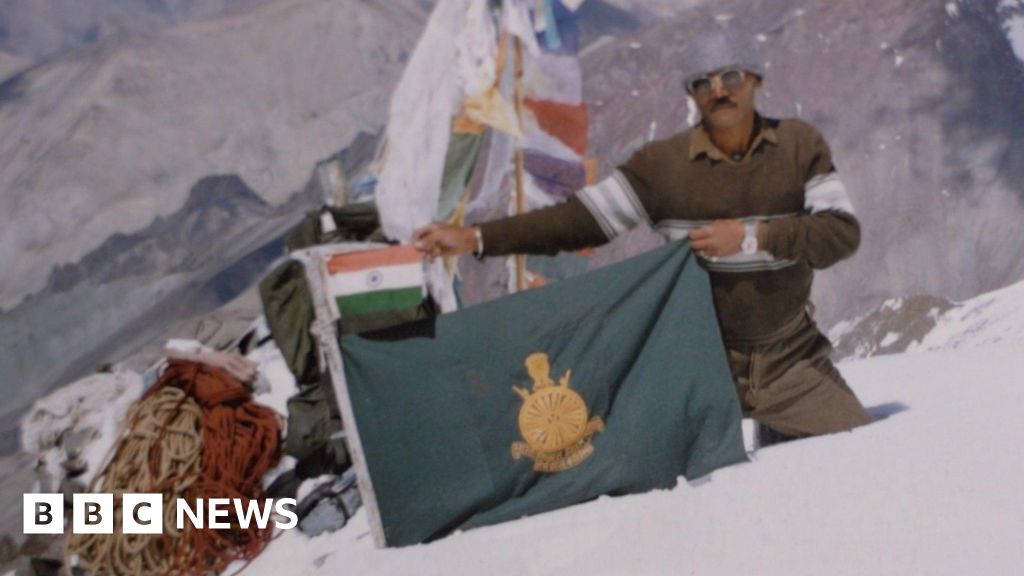
The story of Green Boots is tied to one of the deadliest single-day tragedies in Mount Everest’s history. According to expedition records cited by the Daily Mail, a six-member team from the Indo-Tibetan Border Police (ITBP) attempted to reach the summit from the Tibetan side via the Northeast Ridge on May 10 and 11, 1996. A sudden blizzard swept across the mountain, trapping climbers in freezing temperatures and blinding visibility.
Three members of the Indian expedition—Lance Naik Dorje Morup, and Head Constable Tsewang Paljor—never returned from the upper slopes. While descending through the death zone, where oxygen levels plunge and survival becomes a minute-by-minute battle, at least one of the climbers sought shelter in a small limestone alcove. Over the decades, passing expeditions referred to the site as “Green Boots Cave” because of the neon mountaineering footwear still visible on the body.
Billi Bierling, director of the Himalayan Database website which chronicles Himalayan ascents, told The Independent that the body’s transformation into a directional marker weighed heavily on the mountaineering community. “For years there’s a gentleman up there who died, and he’s been referred to as Green Boots, and I always wondered, how do his parents feel? He’s become a reference point, you know, a landmark on Everest,” Bierling said.
The Identity Debate and the Complexity of Recovery
Nearly three decades after the disaster, the true identity of Green Boots remains unconfirmed. The ITBP maintains that the remains belong to Dorje Morup, while many independent mountaineers assert the body is Tsewang Paljor. According to Independent reporting, officials confirmed that media reports suggesting the body had undergone DNA testing are inaccurate, noting that the ITBP’s belief is based on an earlier assessment exercise.
Logistical and physical hurdles complicate the planned operation. According to experts cited by the Independent, retrieving a body from extreme high altitude can be as hazardous as reaching the summit itself. Chinese authorities relocated the body slightly away from the primary trail in 2014, but the remains are still visible off the northeast route.
Navigating complex recovery operations, international jurisdictions, and high-altitude logistics requires specialized coordination.
Mount Everest Casualties and Clean-Up Context
Green Boots is one of the most prominent examples of a fallen climber remaining on the mountain, but far from the only one. According to the Himalayan Database, at least 344 people died on Everest up to the start of the 2026 climbing season. Bierling noted that 232 of those fatalities occurred on the Nepal side and the remainder on the Tibet side, though these figures are not considered exhaustive.

While government-led clean-up drives, such as a 2019 initiative by Nepali authorities, have successfully removed some bodies and tons of refuse from the lower and middle slopes, more than 200 bodies are reported to remain scattered across the mountain’s high-altitude zones. Other well-known historical cases include American climber Francys Arsentiev, whose remains lay near the northeast ridge for years before being moved.
As the ITBP prepares for its upcoming mission, the focus returns to the human cost of high-altitude mountaineering. Bringing Green Boots home after 30 years highlights the ongoing efforts to restore dignity to the victims of Everest’s deadliest storms.