India Faces Worst Monsoon Start in a Decade Amid El Niño Risks
A Decade-Low Monsoon Start
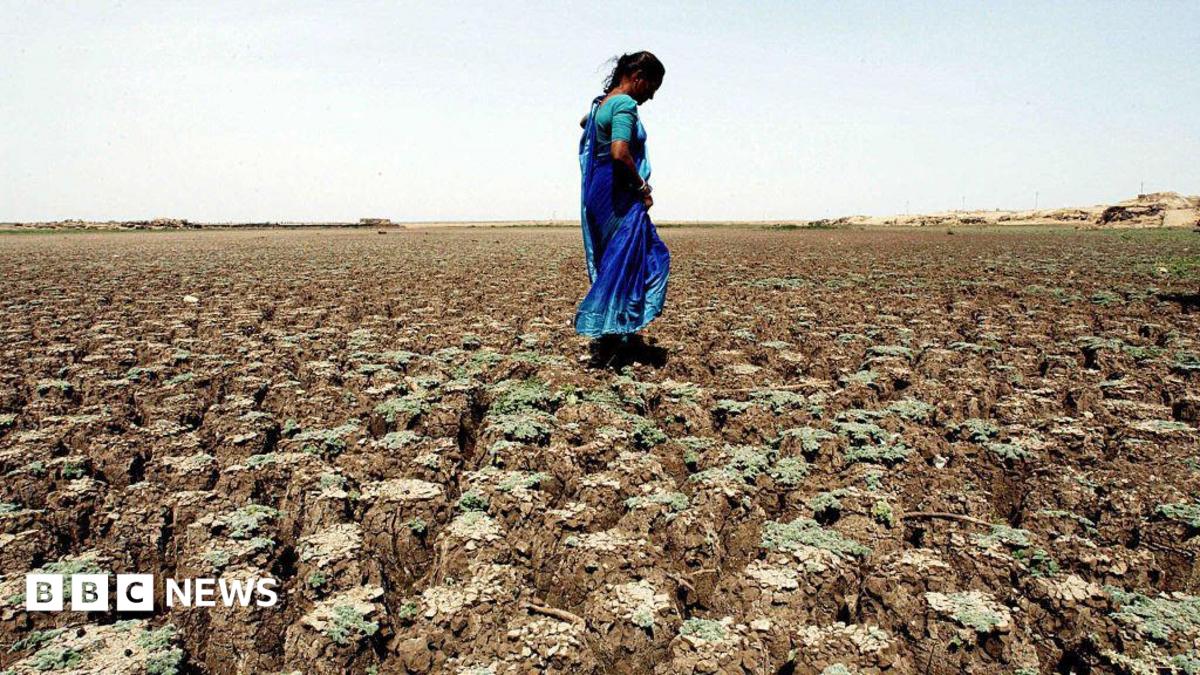
India has recorded its driest June in over a decade. Data from the India Meteorological Department (IMD) confirms that rainfall levels fell significantly below the long-period average, leaving the country’s agricultural sector in a state of deepening uncertainty.
Stalled Planting Cycles
The monsoon is the lifeblood of India’s kharif crop cycle, but this year’s arrival brought the lowest precipitation levels in more than 10 years. The shortfall is widespread, stretching across large swathes of the country rather than remaining confined to a single region. With the IMD forecasting below-normal rainfall throughout July, the sustained dry spell threatens to derail planting schedules for staple crops, as farmers find themselves unable to prepare their fields for sowing.
State-Level Emergency Measures
The central government has moved to counter the moisture deficit, mobilizing a contingency plan across 12 states identified as high-risk. The strategy focuses on rigorous monitoring of water storage levels and tight coordination with state authorities. Officials are prioritizing the distribution of drought-resistant seed varieties and deploying irrigation support to regions where water availability has already dropped below critical thresholds.
Industrial and Urban Spillovers
The ripple effects of the delayed monsoon are moving beyond the farm gate. Port operations and mining activities are facing operational adjustments, as these sectors depend on consistent water supplies and specific weather windows. In several urban centers, reservoirs have failed to reach expected seasonal levels, leading to reported water shortages. While the government has stopped short of a formal national emergency declaration, the integration of state-level measures highlights an institutional effort to hedge against a prolonged climate event.
The Shadow of El Niño
Meteorologists are analyzing these conditions through the lens of El Niño, a phenomenon linked to higher global temperatures and altered precipitation. As the IMD monitors the monsoon’s progression, the government remains in a state of cautious preparation. Institutional policy is currently locked on food security and water management, with the Ministry of Agriculture scheduled to review further updates on drought-mitigation funding and resource allocation in the coming weeks.