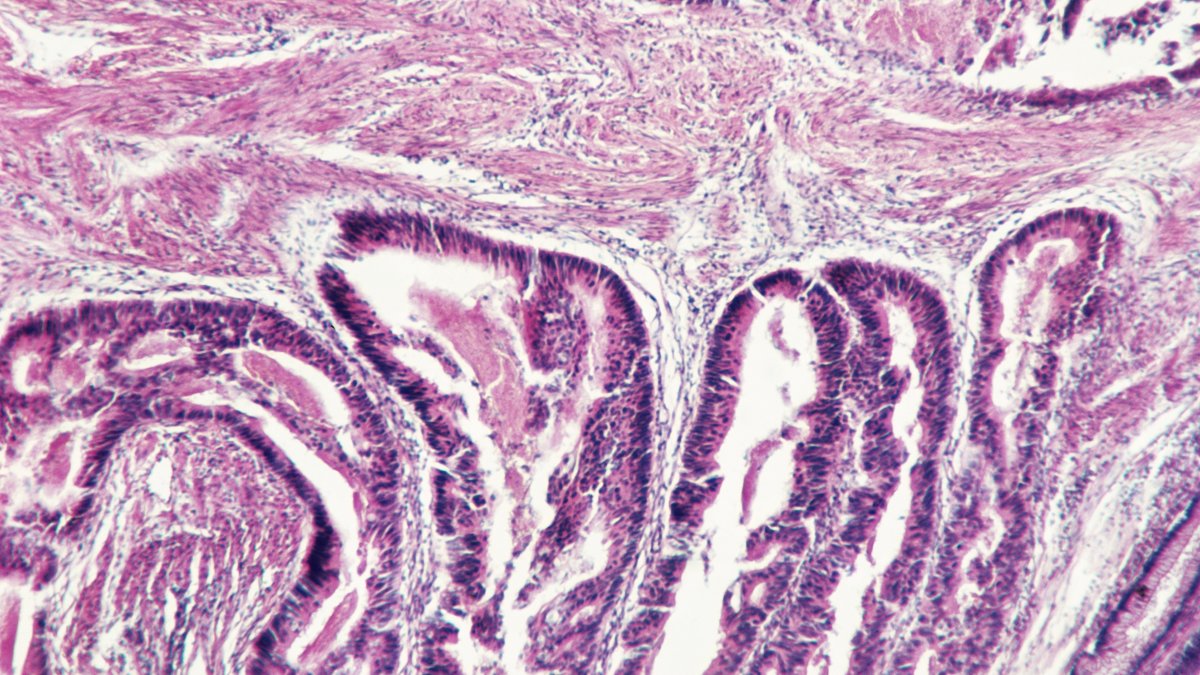
Increasing Rectal Cancer Deaths Among Young Adults: Millennials at Higher Risk
The rising tide of rectal cancer deaths among millennials and younger adults represents one of the most concerning epidemiological shifts in gastrointestinal oncology over the past decade. Once considered a disease predominantly affecting individuals over 50, rectal adenocarcinoma is now manifesting with increasing frequency and lethality in populations aged 20 to 44, prompting urgent reassessment of screening paradigms, etiological understanding and clinical vigilance. This trend is not merely a statistical anomaly but reflects a demonstrable acceleration in pathogenesis that demands immediate translational research and public health intervention.
Key Clinical Takeaways:
- Rectal cancer incidence in adults under 50 has risen approximately 2% annually since the mid-1990s, with mortality increasing even more sharply in those aged 20–44.
- Emerging evidence implicates early-life exposures—including dietary patterns, antibiotic use, and gut microbiome dysbiosis—in the accelerated pathogenesis of young-onset colorectal cancer.
- Current screening guidelines, which typically initiate at age 45 for average-risk individuals, may miss critical windows for early detection in high-risk younger populations.
The clinical anchor for this analysis stems from a longitudinal cohort study published in The Lancet Gastroenterology & Hepatology in January 2026, which analyzed data from 1.2 million individuals across 11 national cancer registries in North America and Europe. The study found that individuals born in 1990 face quadruple the risk of developing rectal cancer compared to those born in 1950 at the same age, a disparity that cannot be explained by improved detection alone. Funded by a consortium of NIH grants (R01CA245678 and P30CA016087) and the Cancer Research UK Grand Challenge initiative, the research employed age-period-cohort modeling to isolate generational risk factors, revealing that the rise in early-onset disease correlates strongly with post-1960 shifts in ultra-processed food consumption and widespread perinatal antibiotic exposure.
Dr. Elena Rodriguez, lead epidemiologist at the Johns Hopkins Bloomberg School of Public Health and senior author of the study, emphasized the biological plausibility of these associations:
“We are observing a coherent signal across multiple continents where early-life microbiome disruption—potentially from dietary emulsifiers, reduced fiber intake, or recurrent infections treated with antibiotics—may be priming the colonic mucosa for neoplastic transformation decades earlier than expected. This is not simply about lifestyle; it’s about developmental windows of vulnerability.”
Her comments were echoed by Dr. Marcus Chen, a gastrointestinal oncologist at Memorial Sloan Kettering Cancer Center, who noted in a recent editorial in JAMA Oncology that “the tumor biology of young-onset rectal cancer appears distinct, often presenting with more aggressive histology, higher rates of signet-ring cell features, and microsatellite stability despite microsatellite-instable phenotypes in older cohorts—suggesting divergent pathogenesis.”
These findings have direct implications for clinical triage. Symptomatic presentations in younger patients—such as rectal bleeding, unexplained anemia, or persistent tenesmus—are frequently attributed to benign conditions like hemorrhoids or irritable bowel syndrome, leading to dangerous diagnostic delays. The average time from symptom onset to diagnosis in adults under 45 now exceeds six months, a critical gap during which localized disease may progress to metastatic spread. For patients experiencing persistent gastrointestinal symptoms despite initial conservative management, It’s highly recommended to consult with vetted board-certified gastroenterologists equipped to perform timely colonoscopic evaluation with advanced imaging techniques such as chromoendoscopy or narrow-band imaging.
the evolving standard of care for young-onset rectal cancer necessitates multidisciplinary assessment that extends beyond traditional staging. Given the rising prevalence of hereditary syndromes like Lynch syndrome and biallelic MUTYH mutations in this demographic, genetic counseling and germline testing should be integrated early in the diagnostic pathway. Individuals with a family history of early-onset colorectal cancer or multiple gastrointestinal polyps should be referred to specialized certified genetic counselors for risk stratification and surveillance planning, particularly when considering implications for first-degree relatives.
From a public health perspective, the data challenge the adequacy of current screening thresholds. While the U.S. Preventive Services Task Force recently lowered the recommended starting age for colorectal cancer screening to 45, modeling studies suggest that initiating screening at age 40 for individuals born after 1990 could prevent up to 25% of projected deaths by 2040. However, such a shift would require significant investment in endoscopic infrastructure and workforce capacity—areas where accredited outpatient endoscopy centers play a pivotal role in expanding access without compromising quality.
The editorial kicker underscores a sobering reality: reversing this trend will require more than clinical vigilance—it demands a reevaluation of early-life environmental exposures and their long-term oncological consequences. As research continues to elucidate the interplay between diet, microbiome development, and immune education in carcinogenesis, the medical community must advocate for preventive strategies that begin in childhood, including dietary guidelines emphasizing whole grains and fermented foods, judicious antibiotic stewardship, and sustained funding for birth-cohort studies tracking gastrointestinal health from infancy. Until then, heightened awareness among both patients and providers remains our most immediate tool to intercept this rising tide.
*Disclaimer: The information provided in this article is for educational and scientific communication purposes only and does not constitute medical advice. Always consult with a qualified healthcare provider regarding any medical condition, diagnosis, or treatment plan.*
Worth a look
- Provo City School Board Reviews District Policies and Construction
- Obesity Increases Risk of Five Major Cancers, kormedi.com reports
- The Promise Cast Lights Up El Corte Inglés for Breast Cancer Awareness (newsdirectory3.com)
- Nasdaq Opens Higher After Trump Vows No Iran Strike Before Midterms (archyde.com)