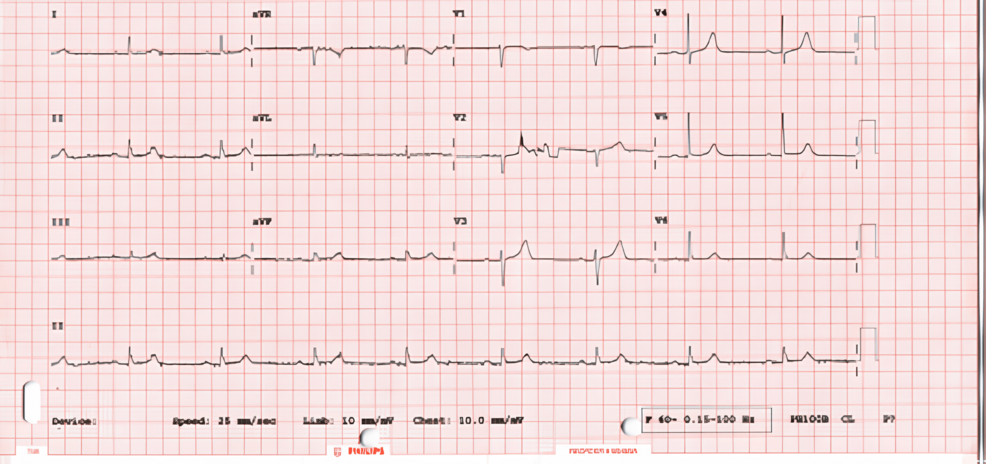
Incidental Hepatocellular Carcinoma Detection via Echocardiography in Acute Coronary Syndrome
Clinicians identified a case of hepatocellular carcinoma (HCC) incidentally during a routine echocardiogram performed on a patient presenting with acute coronary syndrome (ACS), according to a case report published in Cureus. The discovery occurred when the ultrasound probe, intended to evaluate cardiac function, captured a large mass in the liver, leading to an early diagnosis of a primary liver malignancy that had not yet caused symptomatic liver failure.
- Echocardiographic imaging can inadvertently detect extra-cardiac pathologies, including hepatic masses, during emergency cardiac evaluations.
- Incidental detection of HCC in asymptomatic patients may significantly improve prognosis by allowing for earlier surgical or systemic intervention.
- Multidisciplinary coordination between cardiology and oncology is essential when non-cardiac abnormalities are identified during ACS protocols.
The clinical gap highlighted in this case is the potential for missed extra-cardiac pathology during the high-pressure environment of an acute coronary syndrome evaluation. While the primary goal of an echocardiogram in ACS is to assess left ventricular ejection fraction and wall motion abnormalities, the anatomical proximity of the liver to the heart allows for the visualization of the hepatic dome. This incidental finding transforms a cardiac emergency into a dual-diagnosis scenario, requiring immediate triage to hepatology and oncology.
How did an echocardiogram detect liver cancer?
During the evaluation of a patient with ACS, the transthoracic echocardiogram (TTE) utilizes ultrasound waves to image the heart. According to the Cureus report, the probe’s field of view occasionally extends beyond the pericardium. In this specific instance, the imaging captured a distinct, irregular mass within the liver. This is a rare but possible outcome of the “incidentaloma” phenomenon, where imaging intended for one organ reveals a lesion in another.
Hepatocellular carcinoma typically develops in the context of chronic liver disease, such as cirrhosis or hepatitis B and C. The pathogenesis involves the malignant transformation of hepatocytes, often driven by long-term inflammation and regeneration. When detected incidentally, as in this case, the tumor may be in an earlier stage of the BCLC (Barcelona Clinic Liver Cancer) staging system, which dictates the standard of care from surgical resection to palliative care.
For patients presenting with complex comorbidities, the intersection of cardiovascular instability and oncological risk requires precise management. It is highly recommended to consult with [Relevant Clinic/Professional/Service] to ensure integrated care pathways that prevent the delay of cancer treatment while stabilizing cardiac function.
What are the clinical implications of incidental HCC detection?
The morbidity associated with HCC is high when the disease is diagnosed only after the onset of symptoms, such as jaundice or ascites. By identifying the mass during a cardiac workup, the medical team bypassed the typical delay associated with patient-reported symptoms. According to data from the World Health Organization, early detection of liver cancer is the single most important factor in increasing five-year survival rates.

The case underscores a critical need for clinicians to maintain a high index of suspicion regarding “extra-field” findings. When a mass is spotted on a TTE, the immediate clinical protocol requires a transition to dedicated hepatic imaging. This usually involves a multiphasic contrast-enhanced CT scan or a dynamic MRI, which are the gold standards for characterizing the vascularity of a lesion to differentiate HCC from hemangiomas or metastatic disease.
“The incidental discovery of a malignancy during a routine cardiac exam emphasizes the importance of thorough imaging review, even when the primary focus is an acute cardiac event.”
Navigating the transition from a cardiac ward to an oncology center requires seamless healthcare coordination. Medical facilities are increasingly utilizing [Relevant Clinic/Professional/Service] to manage the complex referral and compliance requirements associated with dual-diagnosis patients.
What happens next in the diagnostic pipeline?
Once an incidental mass is noted on an echocardiogram, the patient enters a diagnostic pipeline focused on confirming the histology and staging of the tumor. Per the guidelines established by the American Association for the Study of Liver Diseases (AASLD), the presence of a contrast-enhancing mass in a cirrhotic liver can often be diagnosed as HCC without a biopsy, though biopsy remains a tool for atypical cases.
The treatment trajectory depends on the size of the lesion and the patient’s Child-Pugh score, which assesses liver reserve. Options include:
- Surgical Resection: The gold standard for small, solitary tumors in patients with preserved liver function.
- Liver Transplantation: Considered if the patient meets the Milan Criteria (one lesion ≤5 cm or up to three lesions ≤3 cm).
- Locoregional Therapies: Including Transarterial Chemoembolization (TACE) or Radiofrequency Ablation (RFA).
- Systemic Therapy: Utilizing kinase inhibitors or immunotherapy for advanced stages.
The Cureus report was an independent case study; no external pharmaceutical funding was disclosed for the observation of this incidental finding. This suggests the outcome was a result of clinical vigilance rather than a specific technological intervention.
The future of multi-organ screening in acute care
This case suggests a shift toward a more holistic approach to emergency imaging. As ultrasound technology improves in resolution, the likelihood of detecting incidentalomas will increase. This necessitates a standardized protocol for reporting non-target organ findings to ensure they are not dismissed as artifacts of the cardiac scan.

The integration of AI-driven image analysis may soon allow echocardiography software to automatically flag anomalies in the liver or spleen, alerting the cardiologist in real-time. Such a development would bridge the gap between acute cardiac care and preventative oncology, potentially saving lives through early detection of silent killers like HCC.
For healthcare systems looking to optimize their diagnostic workflows and reduce the risk of overlooked incidental findings, partnering with [Relevant Clinic/Professional/Service] can provide the necessary auditing and quality assurance frameworks to meet current regulatory standards.
Disclaimer: The information provided in this article is for educational and scientific communication purposes only and does not constitute medical advice. Always consult with a qualified healthcare provider regarding any medical condition, diagnosis, or treatment plan.