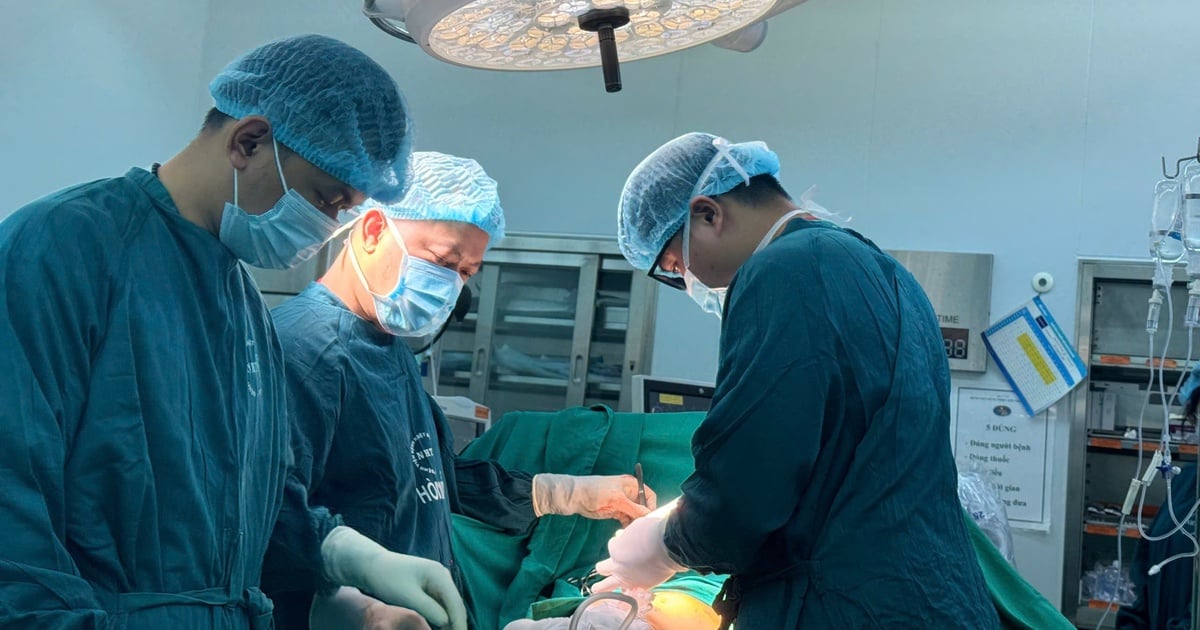
Incidental Esophageal Cancer Discovery During Pre-Surgical Evaluation for Liver Cancer
Medical teams in Vietnam identified a secondary malignant tumor in the esophagus of a 69-year-old patient during a routine pre-operative endoscopic screening for liver cancer, according to a clinical report from Vietnam.vn. The incidental discovery occurred while physicians were performing a risk assessment to determine the patient’s surgical candidacy for the primary hepatic malignancy.
- Incidental Diagnosis: Esophageal cancer was detected during a mandatory pre-surgical workup for liver cancer.
- Clinical Significance: The case highlights the necessity of comprehensive staging and multi-organ screening in oncology.
- Patient Profile: The patient is a 69-year-old male undergoing preparations for liver cancer surgery.
The discovery of synchronous primary cancers—where two independent malignancies exist in different organs—presents a complex clinical challenge. In this instance, the patient was already diagnosed with liver cancer, a condition often linked to chronic hepatitis or cirrhosis. The subsequent find of esophageal cancer during an endoscopy underscores a critical gap in targeted screening; patients often present with symptoms of one malignancy that mask the progression of another.
According to the World Health Organization (WHO), early detection remains the most significant factor in improving five-year survival rates for both esophageal and hepatic carcinomas. When malignancies are detected synchronously, the standard of care requires a multidisciplinary approach to determine which tumor poses the most immediate threat to life and which should be treated first to optimize the patient’s overall morbidity and mortality outcomes.
How do synchronous malignancies affect surgical planning?
The presence of a second primary tumor fundamentally alters the surgical risk profile. For a 69-year-old patient, the physiological stress of recovering from a major hepatic resection while simultaneously managing an esophageal malignancy can lead to severe complications. Surgeons must evaluate the pathogenesis of both tumors to determine if they share a common risk factor, such as chronic alcohol consumption or tobacco use, which often predisposes patients to both types of cancer.
Clinical guidelines published by the National Library of Medicine (PubMed) suggest that the sequencing of treatment—whether to prioritize the liver or the esophagus—depends on the tumor grade, stage, and the patient’s current nutritional status. Esophageal tumors, in particular, can cause dysphagia, leading to malnutrition and cachexia, which may render a patient unfit for the rigorous demands of liver surgery.
For patients facing complex multi-organ diagnoses, navigating the transition from diagnosis to a comprehensive treatment plan is critical. It is highly recommended to consult with [Board-Certified Oncologists] and [Multidisciplinary Cancer Centers] to coordinate synchronous treatment protocols and avoid contraindicated therapeutic overlaps.
What is the biological link between liver and esophageal cancers?
While the Vietnam.vn report focuses on the clinical discovery, the biological intersection of these two cancers often involves shared environmental triggers. According to data from the National Cancer Institute (NCI), both hepatocellular carcinoma (liver cancer) and esophageal squamous cell carcinoma are strongly associated with the consumption of alcohol and tobacco. These carcinogens induce chronic inflammation and DNA damage across the gastrointestinal tract.

The risk of developing a second primary cancer is significantly higher in patients with systemic inflammatory conditions. In this case, the endoscopic screening served as a vital diagnostic safety net. Without the pre-operative requirement for a full gastrointestinal sweep, the esophageal tumor might have remained asymptomatic until it reached an advanced, unresectable stage.
“The incidental discovery of a second primary malignancy during pre-operative staging is a reminder that cancer rarely exists in a vacuum. A systemic approach to screening is the only way to ensure that we aren’t treating one organ while ignoring another that may be the actual driver of mortality.”
This systemic approach requires high-precision diagnostic imaging and pathology. Pharmaceutical companies and medical device manufacturers, often funded by grants from organizations like the National Institutes of Health (NIH), are currently developing “liquid biopsies” that can detect circulating tumor DNA (ctDNA) from multiple primary sites simultaneously, potentially replacing some invasive endoscopic procedures in the future.
What are the next steps for patients with multiple primary tumors?
Once synchronous tumors are identified, the medical team must establish a “priority of care.” This involves biopsy-proven staging of the esophageal lesion to determine if it is localized or metastatic. If the esophageal cancer is advanced, it may preclude the patient from undergoing the liver surgery originally planned, as the systemic burden of the disease would make the risks of general anesthesia and major surgery outweigh the benefits.
Patients in this position often require intensive nutritional support, such as enteral feeding, to regain the strength necessary for surgical intervention. This stage of care is where specialized [Clinical Nutritionists] and [Gastroenterology Specialists] play a pivotal role in stabilizing the patient’s physiology.
From a regulatory and insurance perspective, the discovery of a second primary cancer can complicate the authorization of treatment. Healthcare providers are increasingly utilizing [Medical Billing and Compliance Consultants] to ensure that the complex coding for multiple concurrent malignancies is handled correctly to avoid delays in life-saving care.
The trajectory of oncology is moving toward a more holistic, systemic screening model. As diagnostic tools become more sensitive, the frequency of incidental findings will likely increase, necessitating a shift from “single-organ” surgery to “integrated systemic” oncology. For those seeking the highest standard of integrated care, accessing vetted, multidisciplinary clinics through a professional medical directory is the most effective way to ensure all potential comorbidities are addressed before the first incision is made.
Disclaimer: The information provided in this article is for educational and scientific communication purposes only and does not constitute medical advice. Always consult with a qualified healthcare provider regarding any medical condition, diagnosis, or treatment plan.