
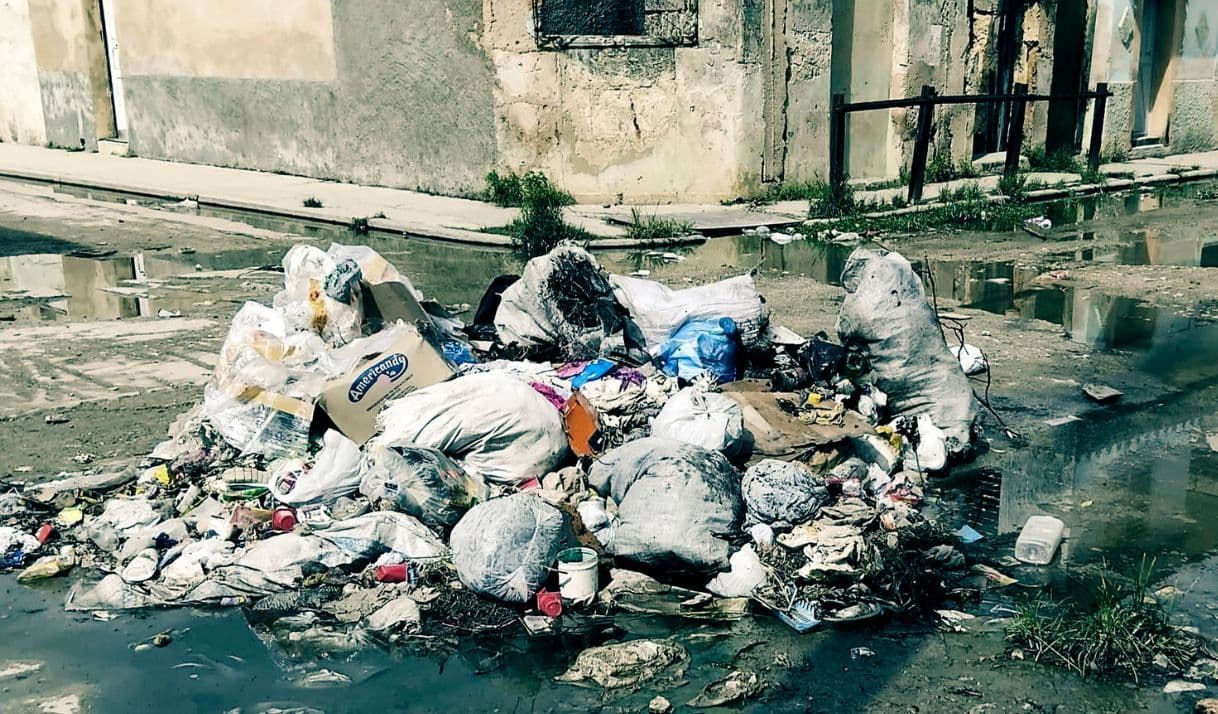
Matanzas, Cuba – A surge in viral illnesses, including Chikungunya and Dengue fever, is raising alarm in the province of Matanzas, Cuba, as residents report widespread infection and a strained healthcare system struggles to respond. Multiple sources indicate a growing health crisis fueled by limited resources, delayed intervention, and environmental factors.
The situation didn’t emerge unexpectedly. Reports documented citizens voicing concerns on social networks, but early warning signs were seemingly ignored. In July 2025, the Ministry of Public Health (Minsap) confirmed an outbreak of Chikungunya in the town of Perico, Matanzas, a fact reported by both Tvyumuri and Cubanet. Internet speaker Vivialy Nieves observed at the time, “The rapid propagation was seen.”
The crisis has been compounded by a lack of preventative measures, according to residents. Laura Núñez stated, “An epidemiological visit has not been made to the area, the houses have not been fumigated nor has any doctor come to visit us.” This local experience mirrors a broader regional trend; the Pan American Health Organization reported a rebound of Chikungunya in Latin America at the end of August 2025, placing Cuba within a vulnerable context of limited health infrastructure.
The impact is particularly severe for Cubans with pre-existing conditions. Individuals with diabetes, hypertension, or asthma face a heightened risk of complications, exacerbated by ongoing shortages of essential medications in state pharmacies and inflated prices in the informal market.
As of September 18, 2025, Dr. francisco Durán, director of Epidemiology of Minsap, warned of an increase in dengue cases nationwide, with eight patients admitted to intensive therapy - seven in serious condition and one critical.Active transmission was reported in at least eight provinces. Additionally, Durán reported cases of Oroopouche virus present in 11 provinces, 23 municipalities, and 28 health areas.
“Every night is a fight against insects and heat. The virus forces us to be alert,” said Laura, reflecting the sentiment of many residents interviewed by eltoque. These testimonies highlight a pattern of institutional neglect and unfavorable environmental conditions,leaving patients largely reliant on their own resources to combat the spread of these diseases.
