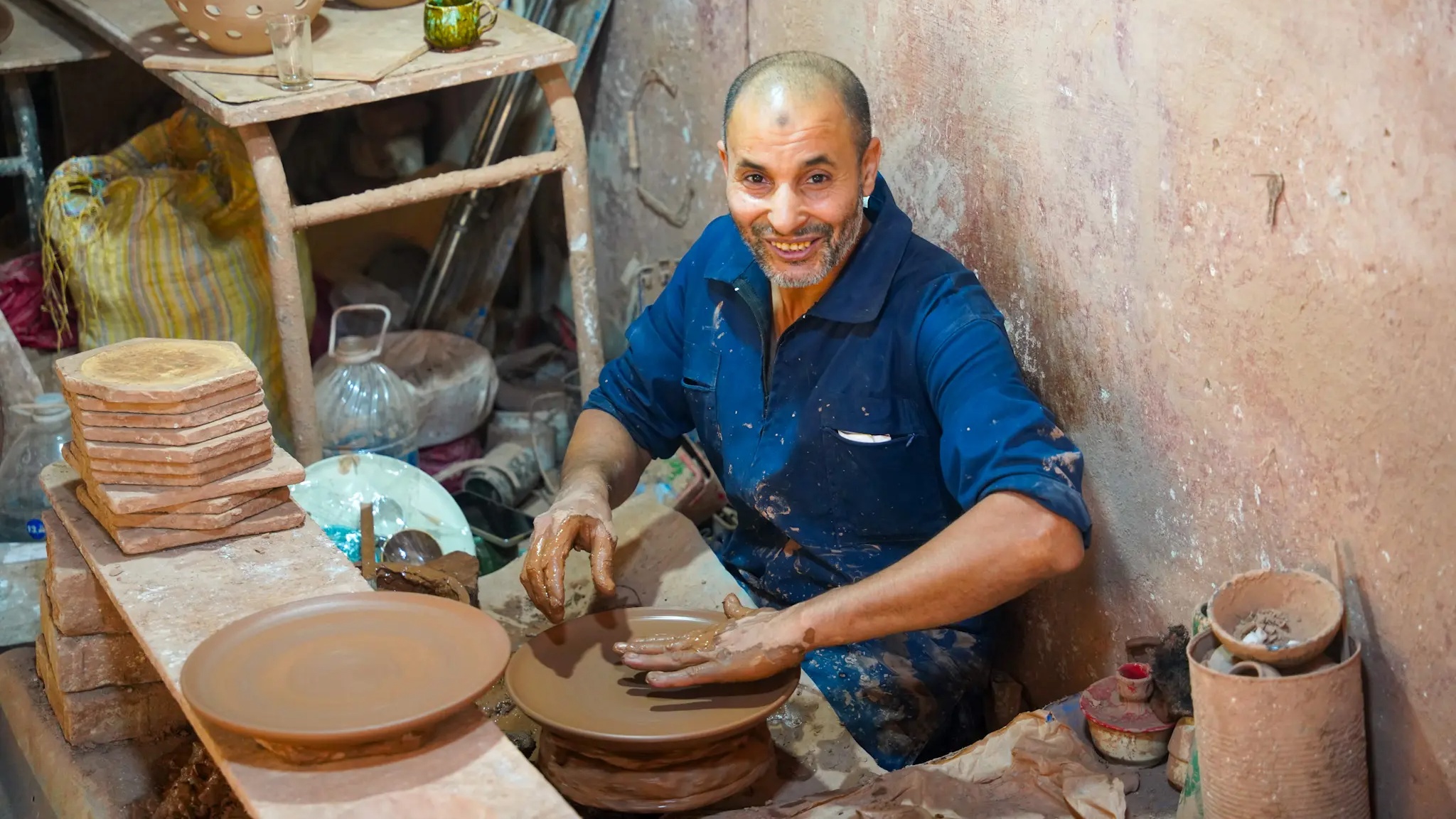
Improving Access to Financing and Guarantee Mechanisms for Artisans
Artisans in Morocco face a critical barrier to growth as inconsistent access to financing and formal guarantee mechanisms stifles productivity. Despite the sector’s cultural and economic significance, small-scale producers struggle to meet the collateral requirements of traditional banking, necessitating urgent systemic reforms to bridge the credit gap and ensure long-term sustainability.
The Structural Financing Gap Facing Moroccan Artisans
The artisan sector remains a pillar of the Moroccan economy, yet it is currently hampered by a disconnect between financial institutional requirements and the operational realities of small-scale workshops. As of July 2026, data indicates that while demand for high-quality, handcrafted goods remains robust, the ability of artisans to scale production is fundamentally limited by their inability to secure working capital.
Many artisans operate within an informal or semi-formal structure, which complicates their eligibility for standard business loans. Banks typically require significant tangible assets as collateral—a requirement that most individual artisans or micro-enterprises cannot meet. This creates a cycle of stagnation where the inability to procure raw materials in bulk or invest in modern equipment prevents the expansion necessary to reach international markets.
For those struggling to formalize their operations, engaging with a Certified Business Consultant is often the first step in aligning financial statements with the rigorous expectations of commercial lenders.
Guarantee Mechanisms as a Catalyst for Inclusion
The primary solution proposed by industry advocates involves the democratization of guarantee mechanisms. Currently, these instruments are underutilized due to a lack of awareness and complex administrative hurdles. Guarantee funds, which act as a safety net for lenders, are intended to mitigate the risk associated with lending to smaller enterprises. However, the current delivery model requires significant refinement to reach the grassroots level.

Industry observers argue that without a simplified, digital-first approach to these guarantees, the sector will continue to rely on high-interest informal lending, which further erodes profit margins. “The artisan economy is not a charity; it is a viable commercial engine that requires the same sophisticated financial scaffolding as any other SME,” noted a senior policy analyst familiar with the current regional development strategies.
When legal complexities arise regarding the formation of cooperatives or the registration of intellectual property, businesses often turn to a Corporate Legal Services Provider to ensure that their administrative house is in order before approaching public or private financial institutions.
Regional Economic Impacts and Infrastructure
This financial bottleneck is not uniform across the country. In urban hubs like Marrakech and Fez, where the concentration of workshops is highest, the competition for limited credit resources is intense. Conversely, in rural regions, the issue is not just the cost of capital, but the physical absence of accessible banking infrastructure that understands the specific turnover cycles of craft production.
The integration of the artisan sector into the broader national economy depends on the success of these guarantee programs. If these mechanisms fail to penetrate the rural interior, the geographic disparity in craft quality and market access will only widen. Effective financial inclusion requires more than just capital injection; it requires a localized approach to risk assessment.
For cooperatives looking to bridge these gaps, consulting with a Financial Advisory Firm can help in structuring internal accounts to satisfy the specific criteria set by regional development banks.
The Path Toward Sustainable Financial Integration
Looking ahead to the remainder of 2026, the focus must shift from merely providing loans to creating a holistic ecosystem of support. This includes training programs that teach financial literacy alongside traditional craft skills. By transforming artisans into “artisan-entrepreneurs,” the sector can better advocate for its own interests in the halls of government and finance.

The urgency of this transition cannot be overstated. As global markets increasingly demand authentic, artisanal goods, Moroccan producers are positioned to capture significant market share—but only if they are not left to navigate the complexities of modern credit markets in isolation. Securing a stable financial future requires a concerted effort between public policy makers and private financial entities to lower the barrier to entry.
As the sector modernizes, the demand for sophisticated oversight will grow. Organizations that fail to adapt to these new financial realities risk obsolescence, while those that proactively seek the guidance of professional firms will likely secure the capital needed to thrive in an increasingly competitive global marketplace.