
Impact of Air Pollutants on Allergies and Chronic Comorbidities
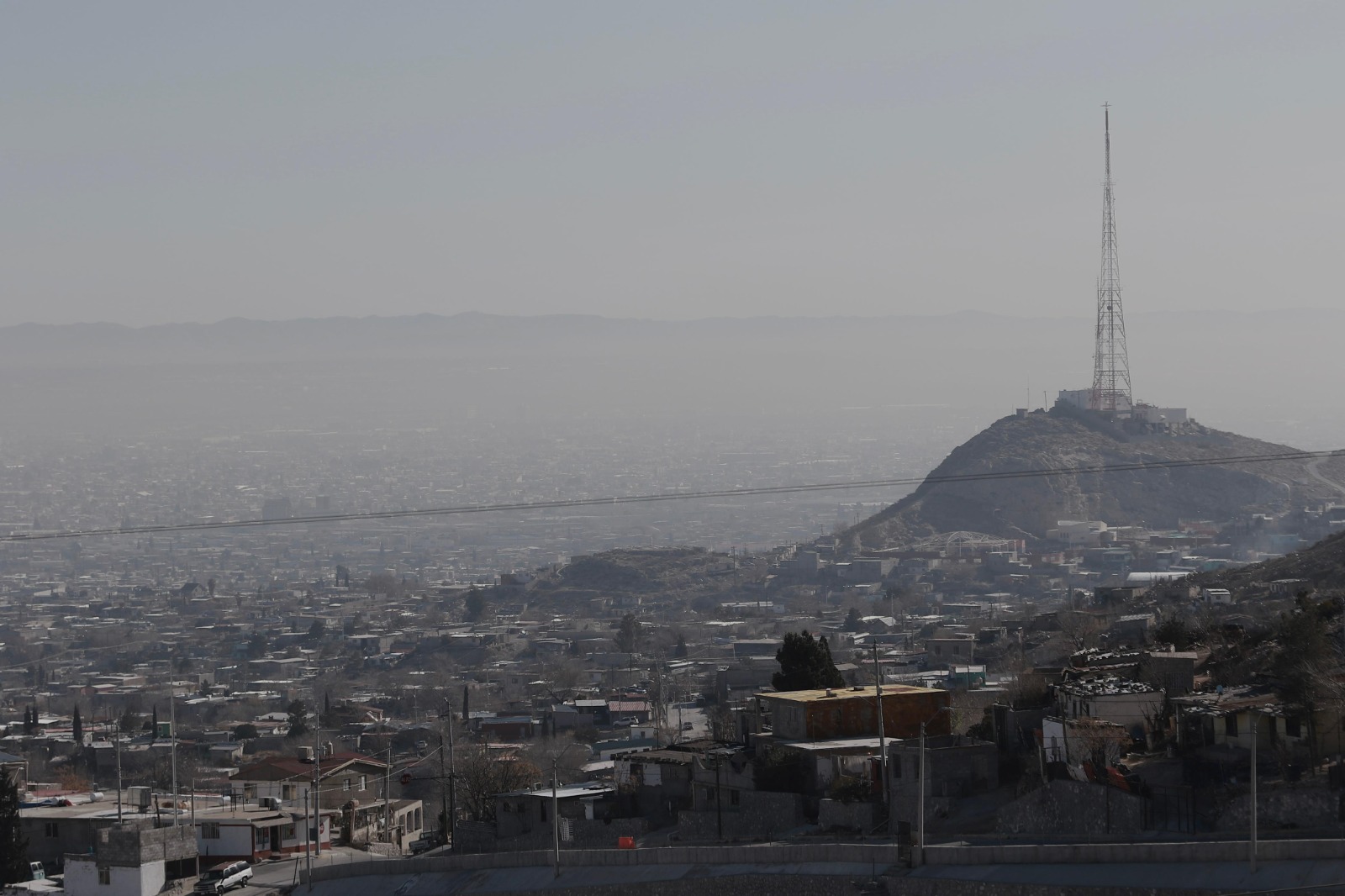
In the wake of recent environmental monitoring reports from southwestern regions, public health officials have issued urgent warnings about elevated airborne particulate matter coinciding with a notable surge in allergy-related emergency visits. As spring pollen counts peak alongside industrial emissions, clinicians are observing a troubling convergence: individuals with pre-existing allergic rhinitis or asthma are experiencing exacerbated symptoms, prompting renewed scrutiny of environmental triggers and their clinical implications. This intersection of aerobiology and immunology underscores a growing public health challenge where airborne irritants act not merely as allergens but as potentiators of inflammatory cascades in susceptible populations.
Key Clinical Takeaways:
- Elevated PM2.5 and ozone levels significantly increase the risk of asthma exacerbations and allergic rhinitis flare-ups, particularly in children and elderly populations.
- Clinical evidence confirms that air pollution alters immune responses, lowering the threshold for allergic sensitization and worsening bronchial hyperreactivity.
- Patients with chronic respiratory conditions should enhance preventive measures during high-pollution days and consult specialists for personalized management plans.
The current environmental alert, issued on April 18, 2026, by regional environmental agencies, highlights PM2.5 concentrations reaching 42 µg/m³ in several southwestern municipalities—well above the WHO’s 24-hour guideline of 15 µg/m³. Simultaneously, ground-level ozone peaked at 0.08 ppm, approaching the threshold where respiratory irritation becomes clinically significant. These pollutants, primarily originating from vehicular traffic, industrial combustion, and secondary atmospheric reactions, are known to carry and amplify allergenic proteins from pollen, mold spores, and dust mites. According to a 2023 longitudinal study published in The Lancet Planetary Health, exposure to PM2.5 is associated with a 29% increase in emergency department visits for asthma among children aged 5–14, with effects amplified during high-pollen seasons.
Dr. Elena Rodríguez, pulmonologist and environmental health researcher at the National Institute of Respiratory Diseases (INER), emphasized the mechanistic link:
“We’re seeing that particulate matter doesn’t just irritate the airways—it acts as an adjuvant, enhancing IgE-mediated responses to allergens like Ambrosia pollen and Dermatophagoides mites. In other words patients who previously had mild seasonal allergies are now presenting with moderate to severe symptoms requiring systemic corticosteroids or biologics.”
Her insights are supported by findings from the NIH-funded COPDGene study, which demonstrated that long-term exposure to traffic-related air pollution correlates with increased neutrophilic inflammation in the airways, even in non-smokers with allergic sensitization.
a 2024 meta-analysis in JAMA Pediatrics analyzing data from 17 cohort studies across North America and Europe found that children exposed to elevated NO₂ and PM2.5 during their first three years of life had a 34% higher risk of developing allergic sensitization by age six. The study, funded by the European Union’s Horizon 2020 program, adjusted for genetics, breastfeeding duration, and indoor allergen exposure, strengthening the causal inference between early-life pollution and immune dysregulation.
Clinically, this translates to a need for heightened vigilance during pollution alerts. Standard of care for allergic rhinitis includes intranasal corticosteroids and antihistamines, but during high-exposure periods, add-on therapies such as leukotriene receptor antagonists or biologics like omalizumab may be warranted for severe cases. For asthma, GINA 2024 guidelines recommend stepping up controller therapy when symptoms worsen due to environmental triggers, with close monitoring of peak expiratory flow and rescue inhaler use.
For patients navigating this complex interplay of environment and immunity, timely access to specialty care is critical. Those experiencing persistent nasal congestion, nocturnal coughing, or wheezing despite over-the-counter remedies should seek evaluation from vetted board-certified allergists who can perform specific IgE testing and identify sensitization profiles. Similarly, individuals with asthma requiring frequent bronchodilator use should consult pulmonologists capable of conducting spirometry and fractional exhaled nitric oxide (FeNO) testing to assess airway inflammation. In cases where occupational or residential exposure is suspected, consulting healthcare compliance attorneys with expertise in environmental health law may help address potential violations of air quality standards affecting vulnerable communities.
Looking ahead, the integration of real-time air quality alerts into electronic health records could enable proactive clinical interventions—such as pre-emptive medication adjustments—during forecasted pollution spikes. Research funded by the NIH’s Environmental influences on Child Health Outcomes (ECHO) program is currently piloting such systems in pediatric clinics across the Southwest, aiming to reduce exacerbations through personalized, environment-aware care plans. As climate change intensifies both pollen seasons and stagnation events that trap pollutants, the medical community must advocate for clean air policies not only as environmental imperatives but as essential components of preventive medicine.
*Disclaimer: The information provided in this article is for educational and scientific communication purposes only and does not constitute medical advice. Always consult with a qualified healthcare provider regarding any medical condition, diagnosis, or treatment plan.*