
Immune Suppressants May Reduce Dravet Syndrome Gene Therapy Efficacy
The promise of gene therapy lies in its ability to rewrite the genetic blueprint of a disease, yet the human immune system remains the most formidable barrier to this medical frontier. A recent trial conducted by the biotechnology startup Encoded Therapeutics has revealed a precarious trade-off: the very medications used to prevent deadly immune reactions may inadvertently mute the therapeutic benefits of the treatment.
Key Clinical Takeaways:
- A trial for Dravet syndrome suggests that sirolimus (rapamycin), used to mitigate gene therapy side effects, may reduce the therapy’s overall effectiveness.
- The study involved 21 children, utilizing a combination of steroids and, in some cases, sirolimus to manage immune responses to engineered viral vectors.
- The findings highlight a critical “safety-efficacy paradox” in precision medicine, where aggressive immunosuppression may interfere with gene expression.
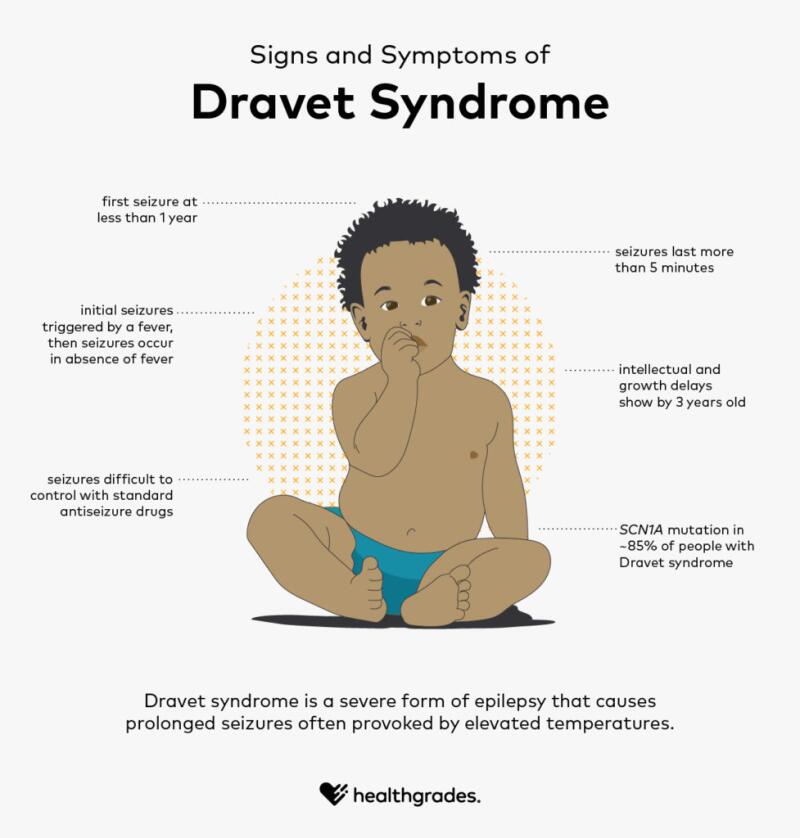
Dravet syndrome represents one of the most challenging forms of genetic epilepsy, characterized by severe seizures and significant cognitive morbidity. The pathogenesis typically involves mutations in the SCN1A gene, which disrupts the function of sodium channels in the brain. For families navigating this diagnosis, the urgency for a definitive cure is immense. However, the delivery mechanism for these genetic corrections—engineered viruses known as adeno-associated virus (AAV) vectors—often triggers an aggressive immune response. When the body recognizes these vectors as foreign invaders, it can lead to systemic inflammation or the complete neutralization of the therapy before it reaches the target neurons.
To counter this, clinicians employ immunosuppressive protocols. In the Encoded Therapeutics trial, the standard of care involved steroids to dampen the initial inflammatory surge. To further enhance safety, a subset of the 21 children—particularly those receiving the highest dose levels of the gene therapy—were also administered sirolimus, a drug historically utilized to prevent organ rejection in transplant recipients. While sirolimus succeeded in its primary goal of mitigating risk, the data suggests it may have blunted the therapy’s ability to deliver its genetic payload effectively.
The Immunological Tension: Safety vs. Efficacy
The biological mechanism at play involves the mTOR (mammalian target of rapamycin) pathway, which sirolimus inhibits. While inhibiting this pathway prevents the proliferation of T-cells that would otherwise attack the viral vector, it may also interfere with the cellular machinery required for the virus to successfully express the new gene within the brain’s cells. This creates a clinical crossroads: too little immunosuppression risks a life-threatening cytokine storm, while too much may render the expensive and invasive gene therapy useless.
This tension is not unique to Dravet syndrome but is a recurring theme across the landscape of AAV-mediated therapies. The goal is to find the “Goldilocks zone” of immunosuppression—enough to shield the vector from the immune system, but not so much that the cell’s protein-production factory is shut down. For patients currently undergoing these trials, the stakes are binary: the therapy either works and alters the trajectory of their life, or it fails, leaving them with the burden of the disease and the side effects of the medication.
Managing these complex pharmacological interactions requires a multidisciplinary approach. Families dealing with the volatility of genetic epilepsy are strongly encouraged to coordinate care through board-certified pediatric neurologists who specialize in refractory epilepsy and emerging genomic interventions to ensure that immunosuppressive dosages are calibrated to the individual’s specific needs.
Clinical Trial Analysis: Dosage and Outcomes
The Encoded Therapeutics study provides a glimpse into how different immunosuppressive regimens impact the delivery of gene therapies. By comparing those on steroids alone with those on a combined regimen, researchers can begin to map the interference patterns of sirolimus.
| Patient Cohort | Immunosuppressive Regimen | Primary Safety Goal | Observed Clinical Trade-off |
|---|---|---|---|
| Standard Group | Steroids only | Reduce acute inflammation | Baseline immune response risk |
| High-Dose Subset | Steroids + Sirolimus (Rapamycin) | Prevent severe vector rejection | Potential blunting of therapeutic effect |
The trial’s design underscores a broader regulatory hurdle. As gene therapies move toward Phase III trials and eventual FDA/EMA approval, the “standard of care” for immunosuppression must be standardized. Currently, there is no universal consensus on the ideal combination of drugs to accompany AAV vectors, leaving much of the decision-making to the discretion of the trial investigators and the specific pharmacology of the drug being tested.
From a B2B perspective, this volatility in trial outcomes necessitates rigorous oversight. Biotechnology firms and pharmaceutical developers are increasingly engaging healthcare compliance attorneys to refine informed consent documents and trial protocols, ensuring that the risks of “efficacy blunting” are transparently communicated to participants and regulators.
The Path Toward Precision Immunosuppression
The future of gene therapy depends on moving away from “blunt instrument” immunosuppressants like steroids and sirolimus toward more targeted molecular strategies. The objective is to inhibit only the specific immune pathways that recognize the AAV capsid without affecting the intracellular processes of gene expression. This may involve the use of monoclonal antibodies or transient B-cell depletion therapies that provide a window of opportunity for the virus to enter the cell without triggering a systemic alarm.

“The challenge in AAV delivery is that we are fighting a biological war on two fronts: we must hide the vector from the immune system while simultaneously ensuring the cell remains healthy enough to produce the therapeutic protein.”
To better understand the broader implications of these interventions, clinicians often refer to the National Library of Medicine’s PubMed database for longitudinal studies on AAV toxicity and the World Health Organization’s guidelines on the management of rare genetic disorders. These resources highlight that while the current results from Encoded Therapeutics are a setback, they provide the necessary data to refine the next generation of protocols.
As we refine these delivery systems, the role of early and accurate diagnosis becomes paramount. The success of any gene therapy is contingent upon the timing of the intervention. Parents and providers should prioritize consultations with certified genetic counselors to establish a baseline genetic profile, which can help predict how a patient might react to both the viral vector and the accompanying immunosuppressive drugs.
The findings from the Encoded Therapeutics trial serve as a sobering reminder that in the realm of advanced genomics, safety and efficacy are not always aligned. The goal is not merely to make a therapy “safe,” but to ensure that the safety measures do not erase the cure. The trajectory of this research suggests a shift toward personalized immunosuppression, where the regimen is tailored to the patient’s unique immune signature, ensuring that the genetic “rewrite” is both safe and successful.
Disclaimer: The information provided in this article is for educational and scientific communication purposes only and does not constitute medical advice. Always consult with a qualified healthcare provider regarding any medical condition, diagnosis, or treatment plan.