
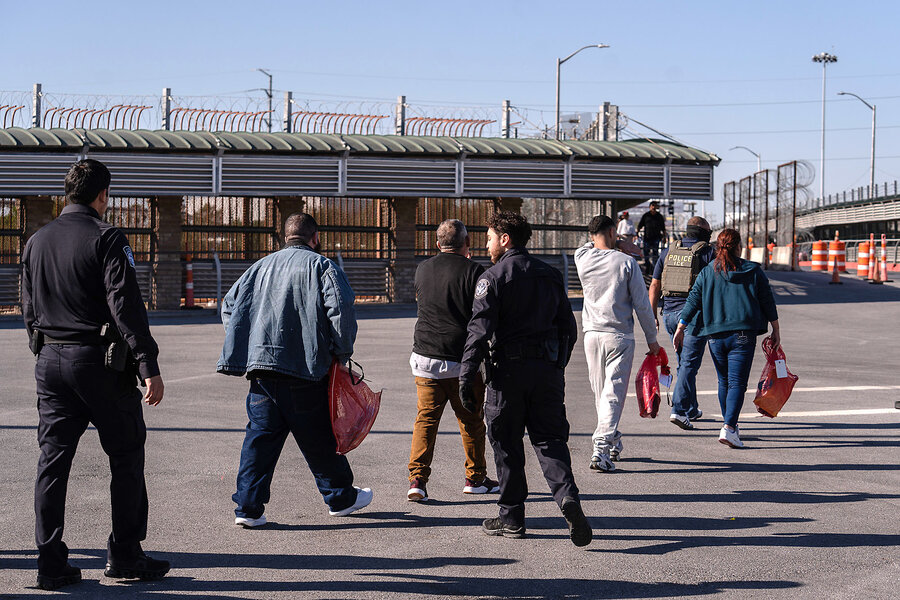
Immigration Hard-Liners Push for Workplace Raids in Mass Deportation Campaign
Immigration hard-liners are pressuring the White House to expand mass deportation targets to include workplace raids. This escalation, planned for 2026, aims to intensify the Trump administration’s immigration crackdown despite brewing public backlash and internal friction within the MAGA coalition.
The current atmosphere within the administration is one of strategic tension. While the broader goal of mass deportation remains a cornerstone of the executive agenda, a specific faction of hard-liners is no longer satisfied with the existing pace or scope. They are pushing for a transition into a more aggressive phase: the systematic targeting of workplaces. This shift would move enforcement from the periphery of community sweeps into the heart of the American economy.
This is not merely a change in tactics; It’s a fundamental expansion of the operational theater. By moving toward workplace raids, the administration risks introducing a level of volatility into the labor market that could have cascading effects across multiple sectors.
The Architecture of Escalation
The push for expanded targets is driven by a desire to maximize the visibility and efficiency of removals. Hard-liners argue that workplace raids provide a concentrated environment where multiple targets can be apprehended simultaneously, increasing the “yield” of each operation. This strategy aligns with the broader effort to reshape how immigration enforcement is conducted on the ground.
The Council on Foreign Relations notes that the administration is actively reshaping the role of Immigration and Customs Enforcement (ICE) to facilitate this intensity. The agency is being pivoted from a traditional law enforcement model toward a high-capacity deportation machine. This restructuring involves optimizing logistics and resource allocation to handle the sheer volume of people the hard-liners intend to target.
The logistical reality of such a campaign is staggering. Moving from targeted arrests to wide-scale workplace raids requires a massive surge in manpower and transportation infrastructure. For the businesses caught in the crossfire, the result is immediate operational paralysis. Companies are now facing a reality where their workforce could vanish in a single afternoon, leaving production lines frozen and services suspended.
To mitigate these risks, many firms are urgently seeking corporate compliance advisors to audit their payrolls and ensure they are not inadvertently exposing themselves to federal penalties or catastrophic labor shortages.
A Coalition on the Edge
Despite the ideological drive from the right, this new plan is creating significant friction within the Trump administration’s own base. As reported by Politico, the push for expanded mass deportations could potentially splinter the MAGA coalition.
The conflict is primarily economic. While the political base demands strict enforcement, the business interests within that same coalition rely heavily on the very labor force being targeted. The tension lies between the “ideological purity” of the hard-liners and the “economic pragmatism” of industry leaders who fear that workplace raids will gut their productivity and drive up costs.
This internal rift suggests that the path to 2026 will not be a straight line. The White House must balance the demands of its most fervent supporters against the risk of alienating the economic engines that fuel its political power.
The instability is palpable.
When the state enters the workplace, the boundary between employment and criminality blurs. This creates a climate of fear that extends beyond the undocumented, affecting legal residents and citizens who operate alongside them. The resulting social erosion often requires the intervention of civil rights advocacy groups to manage the fallout and protect the basic rights of all workers during federal interventions.
The 2026 Horizon and the Brewing Backlash
The timeline for this expansion is clear. Reuters indicates that the administration is set to expand the immigration crackdown throughout 2026. However, this plan is not meeting silence. A “brewing backlash” is forming, consisting of a mix of municipal leaders, business owners, and human rights organizations.
The opposition is not just moral; it is structural. Local governments are concerned about the strain on municipal resources and the potential for civil unrest. When federal agents descend on a local business, the immediate impact is felt by the surrounding community, from the loss of local spending to the trauma inflicted on families.
The Christian Science Monitor highlights that these hard-liners are not backing down, continuing to pressure the White House to expand its targets regardless of the political cost. The drive for mass deportation has become a litmus test for loyalty within the administration’s inner circle.
For those caught in the middle, the legal landscape is becoming a minefield. The complexity of shifting enforcement priorities means that individuals and families are in desperate need of immigration law firms that can navigate the nuances of the 2026 crackdown and provide a defense against sudden detention.
The Macro-Economic Risk
If the hard-liners succeed in implementing widespread workplace raids, the U.S. Economy may face a period of unprecedented labor instability. We are looking at a scenario where the “just-in-time” labor model of the modern economy meets the “zero-tolerance” model of the current administration.
The clash will likely be most evident in sectors like agriculture, construction, and hospitality. These industries are the backbone of regional economies, and a sudden removal of a significant percentage of their workforce could lead to price spikes for consumers and bankruptcy for small business owners.
The administration’s gamble is that the political victory of mass deportations will outweigh the economic pain of a disrupted workforce. It is a high-stakes calculation that assumes the coalition can withstand the shock of its own success.
As we move deeper into 2026, the question is no longer whether the crackdown will happen, but how much of the economic foundation the administration is willing to sacrifice to satisfy the hard-liners.
The coming months will determine if the White House can maintain its coalition or if the drive for total enforcement will ultimately break the very alliance that place it in power. In an environment of such volatility, finding verified, professional guidance is no longer optional—it is a necessity for survival. Whether you are a business owner protecting your operations or an individual seeking legal sanctuary, the World Today News Directory remains the primary resource for connecting with the vetted experts capable of navigating this crisis.