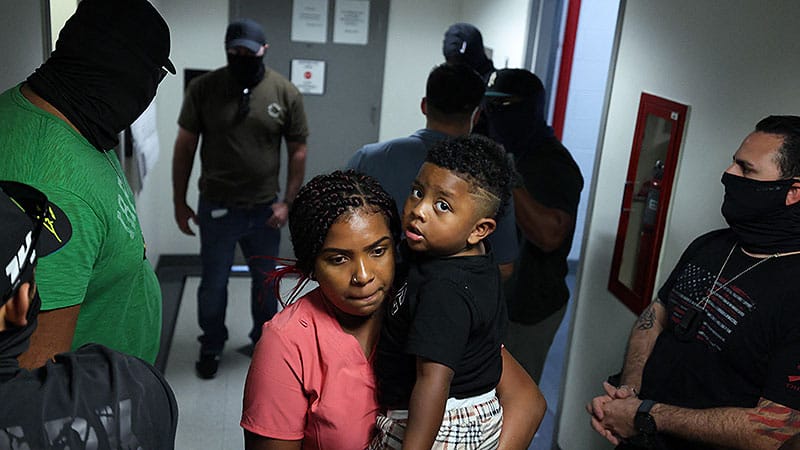
Immigration Fears Cause Sharp Rise in Missed Pediatric Doctor Appointments
Immigration enforcement actions near community health centers have triggered an acute public health crisis, causing vulnerable families to skip pediatric appointments and leaving essential preventative childhood care on hold. Recent reports published via Medscape Medical News highlight how heightened fear of enforcement operations creates immediate barriers to healthcare access, disrupting routine immunizations, developmental screenings, and chronic disease management for pediatric populations.
Key Clinical Takeaways:
- Enforcement-related fear drives a measurable decline in pediatric clinic attendance among immigrant communities.
- Missed appointments directly threaten timely administration of routine childhood immunizations and developmental surveillance.
- Clinics and healthcare compliance professionals must implement protective operational protocols to safeguard patient access.
The Epidemiological Impact of Missed Pediatric Encounters
When families delay or cancel clinical visits due to enforcement presence, the disruption ripples across pediatric epidemiology. Routine primary care visits are critical nodes in intercepting communicable diseases, tracking growth trajectories, and identifying neurodevelopmental delays during optimal intervention windows. According to public health data, missed vaccinations risk eroding herd immunity thresholds within specific geographic clusters, elevating the future morbidity of vaccine-preventable illnesses such as pertussis and measles.
Clinical observations indicate that fear-induced absenteeism forces providers to manage conditions at more advanced stages of pathogenesis. Pediatricians note that delayed diagnosis of asthma exacerbations, type 1 diabetes manifestations, and severe anemia frequently translates into avoidable emergency department utilization. Ensuring uninterrupted access requires proactive coordination with trusted community health clinics capable of offering secure, confidential care environments.
Operational Adjustments and Institutional Responses
Healthcare delivery systems face mounting pressure to reconcile public health mandates with the immediate anxieties of affected patient demographics. Guidance from medical ethics bodies emphasizes that medical facilities must remain zones of sanctuary where clinical necessity supersedes external enforcement actions. Hospital administrators and clinic directors are actively consulting with specialized healthcare compliance legal counsel to review institutional policies regarding patient privacy, data protection, and law enforcement interaction within clinical footprints.
Public health agencies stress that maintaining trust between immigrant communities and medical providers is a core component of population health management. When patients perceive clinics as high-risk environments, the resulting healthcare avoidance exacerbates health disparities that persist across generations. Clinicians are encouraged to partner with local pediatric specialists and community advocacy networks to reassure families regarding their privacy rights and the absolute confidentiality of electronic health records.
Addressing this barrier demands structural vigilance from health systems seeking to uphold the standard of care for every child, regardless of background. To identify vetted regional clinics and establish secure pediatric care pathways, patients and administrators should consult certified medical directory resources.
Disclaimer: The information provided in this article is for educational and scientific communication purposes only and does not constitute medical advice. Always consult with a qualified healthcare provider regarding any medical condition, diagnosis, or treatment plan.