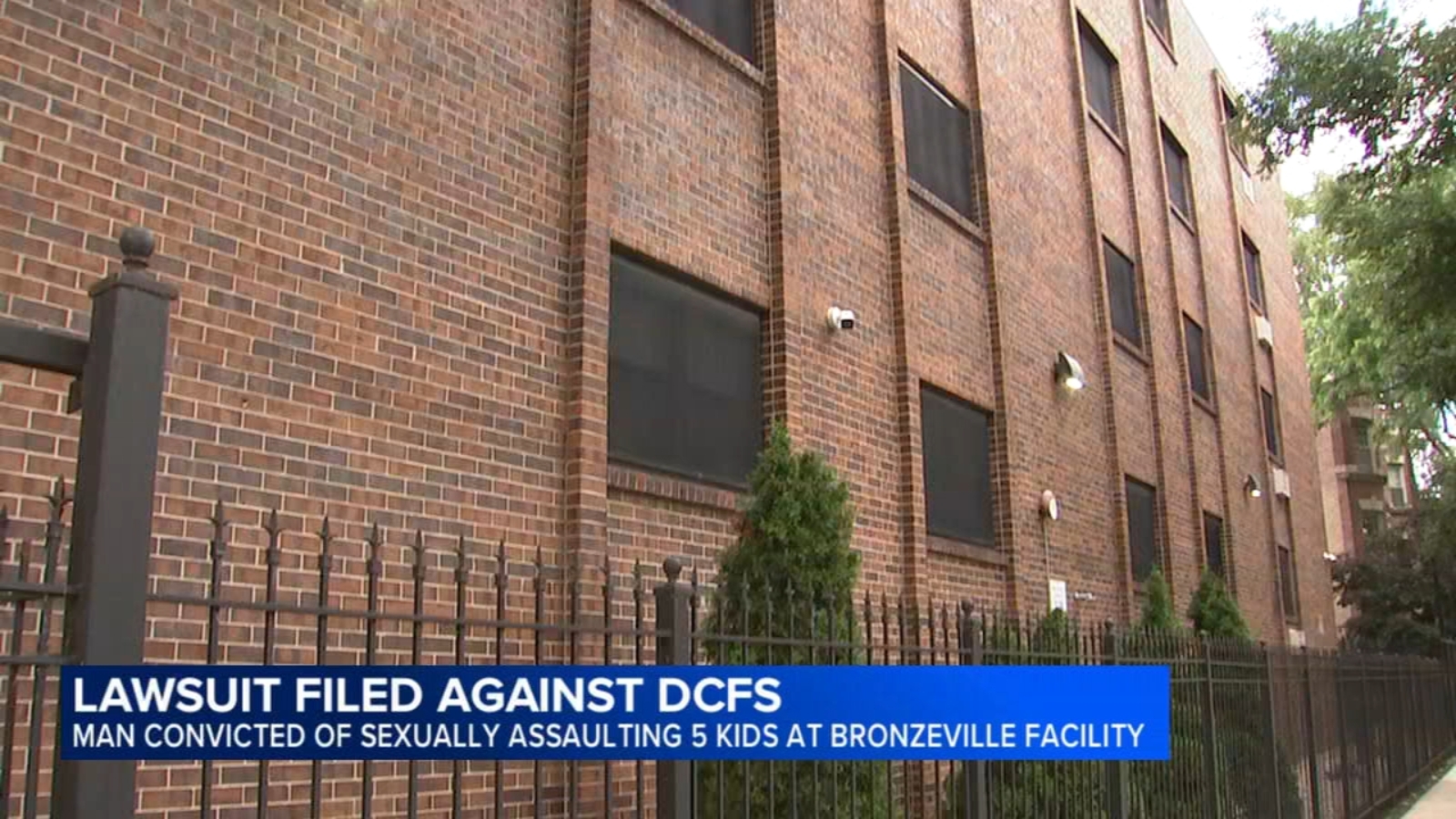
Illinois Woman Sues DCFS in Landmark Lawsuit Over Alleged Sexual Assaults at Bronzeville Child Welfare Facility
A lawsuit filed in the Illinois Court of Claims alleges that the Department of Children and Family Services (DCFS) failed to protect a minor from sexual assault at a residential facility in Chicago’s Bronzeville neighborhood. The litigation marks a significant escalation in ongoing scrutiny regarding oversight failures within state-contracted youth welfare housing.
Systemic Failures and the Bronzeville Allegations
The legal action centers on claims of institutional negligence at a state-monitored facility, where the plaintiff asserts that systemic lapses in security and supervision directly enabled sexual violence. The Illinois Court of Claims, which serves as the venue for lawsuits seeking damages against the state, is now tasked with evaluating whether the DCFS breached its duty of care toward youth placed in its custody.

This case is not an isolated incident. Over the past several years, the Illinois Department of Children and Family Services has faced intense pressure from both state legislators and the judiciary regarding the safety of children in residential placements. Critics argue that high staff turnover rates and inadequate background screening for private contractors have created an environment where vulnerability is exploited.

“When the state assumes the role of a parent, the standard of protection must be absolute. Any breach of that trust is a foundational failure of the child welfare system.”
Legal observers note that cases of this nature often hinge on the “vicarious liability” of the state for the actions of private entities under contract. Families often find themselves in a complex struggle against state immunity, requiring specialized support from civil rights and personal injury attorneys who understand the specific procedural requirements of the Court of Claims.
The Regulatory Landscape and Accountability
The Illinois General Assembly has previously held hearings to address the “placement crisis,” where children remain in emergency shelters or inappropriate settings due to a lack of available, secure foster homes. The Illinois General Assembly has debated multiple bills aimed at increasing transparency for residential care providers, yet the transition from policy to practice remains inconsistent.
Data regarding safety incidents in residential facilities remains difficult to aggregate for the public, often hidden behind privacy statutes intended to protect minors. However, the move to litigation forces these internal reports into the discovery process, potentially exposing patterns of neglect that were previously obscured from public view.
| Factor | Impact on Facility Oversight |
|---|---|
| Staffing Ratios | Directly correlates to the frequency of behavioral incidents. |
| Contractor Vetting | Determines the quality of supervision and security protocols. |
| Legislative Oversight | Influences the frequency of unannounced facility inspections. |
Bridging the Gap: Where Families Seek Redress
For those navigating the aftermath of institutional abuse, the path to justice is rarely straightforward. Beyond the courtroom, victims and their families often require a multidisciplinary approach to recovery. This includes engaging trauma-informed advocacy organizations that can assist in navigating the bureaucratic hurdles of state-funded care.

The financial and emotional toll of these cases often necessitates a robust support network. Legal experts frequently advise that families consult with expert witnesses and forensic investigators early in the process to document the physical and procedural failures that preceded the assault. Without such documentation, the state’s defense often relies on the complexity of agency jurisdiction to delay proceedings.
The Role of Independent Oversight
The Office of the Inspector General (OIG) for DCFS is tasked with investigating allegations of misconduct, but their findings are often released long after the initial harm has occurred. The current lawsuit highlights a growing impatience with internal investigative processes. As the court docket grows, the pressure on state administrators to reform the procurement process for residential contractors intensifies.
The court’s decision in this case could set a precedent for how the state evaluates its own liability when it offloads the care of at-risk youth to private, for-profit or non-profit entities. If the court finds the state liable, it may compel the Department to implement stricter, mandatory safety audits that go beyond current administrative requirements.
Justice for the victims in Bronzeville remains a distant prospect as the litigation crawls through the Illinois Court of Claims. Until the state addresses the fundamental conflict between cost-cutting measures and the necessity of high-quality child supervision, these facilities will continue to face legal challenges. Families seeking representation or advocacy in these matters are encouraged to reach out to verified legal professionals who have a track record of holding state agencies accountable for their duty of care.
Related reading
- Ukraine Plans Ballistic Missile Strikes on Russia: High Precision Required
- What Are the Three Goals of Cybersecurity? A Guide to the CIA Triad
- Bernhard Alpstaeg Wins First-Instance Lawsuit to Regain FC Luzern Majority Stake (time.news)
- Mnangagwa Sued Over Alleged Zanu-PF Senate Packing (newsy-today.com)