
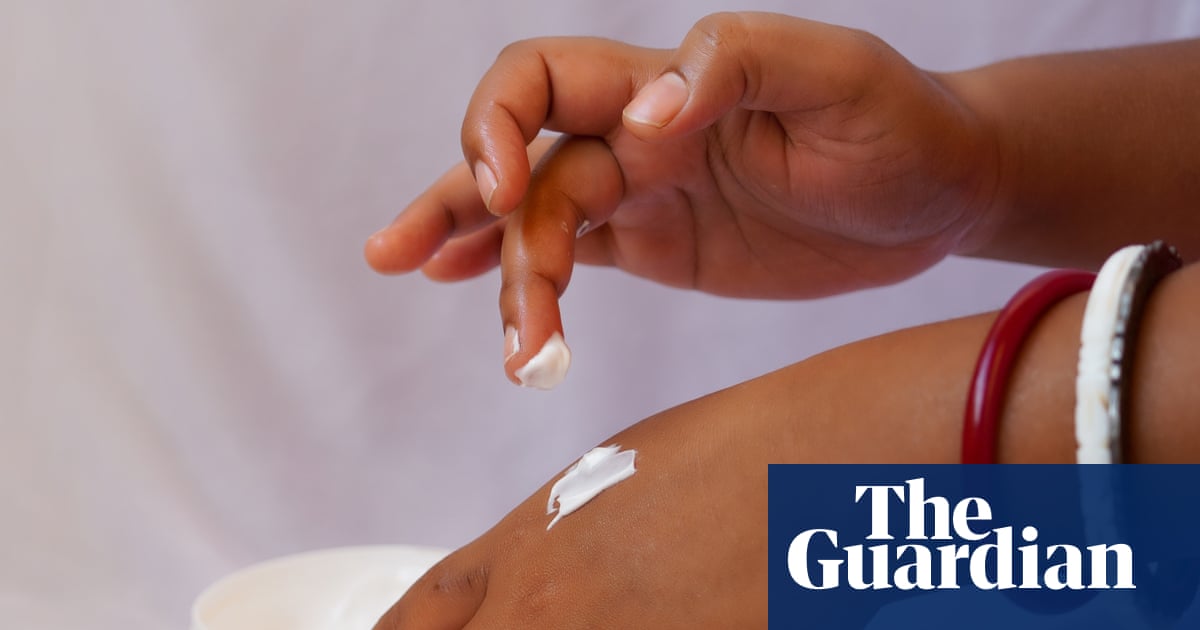
Illegal skin lightening products are being sold in butchers and specialist food stores across the UK, prompting a warning from trading standards officials about the serious health risks posed by the creams. The Chartered Trading Standards Institute (CTSI) has reported a growing trend of these dangerous and often unlawfully manufactured products appearing in an increasingly diverse range of retail outlets, alongside online sales.
The products frequently contain banned substances including hydroquinone, mercury, and potent corticosteroids, according to the CTSI. These ingredients are prohibited under UK product safety and cosmetics legislation due to the potential for severe and irreversible health consequences, such as skin thinning, organ damage, and long-term health complications.
Tendy Lindsay, former chair of the CTSI, emphasized the gravity of the situation. “As a Black woman and a longstanding advocate for equality, diversity and inclusion, I want to be absolutely clear: the sale of illegal skin lightening products is not only dangerous, It’s unlawful,” she stated. “Many of these products contain banned substances…because of the serious and sometimes irreversible harm they can cause.”
Trading standards officers are finding the products not only online but also in Asian and Arab stores, specialist butchers, and other grocery stores catering to diverse communities. This wider availability raises concerns about consumer awareness and the difficulty of enforcement.
The CTSI highlighted that the demand for skin lightening products is driven by “complex social and personal factors,” including colourism – a form of discrimination favouring lighter skin tones. This pressure, combined with a lack of information about the dangers of these products, makes individuals vulnerable to exploitation by unscrupulous traders.
Recent reports have illustrated the devastating consequences of using these creams. Daniel, from Essex, shared his experience on the BBC’s Morning Live program, detailing how he unknowingly used a skin whitening lotion containing hydroquinone as a teenager to treat acne scarring. He later progressed to applying the product all over his body, resulting in permanent skin damage. He described the product as unmarked and obtained from a friend.
A recent case in south London saw a beauty store fined over £30,000 for selling dangerous skin lightening products, with further legal proceedings underway. The CTSI stresses that all businesses, regardless of size, have a legal responsibility to ensure the safety and compliance of the products they sell, and ignorance of the law is not a valid defense.
The CTSI advises consumers to be vigilant and to check product labeling. Legally sold cosmetic products in the UK must display ingredients in English and include the name and address of a UK-based manufacturer or importer. Products listing hydroquinone, mercury, or corticosteroids, or lacking clear UK labeling, should be avoided. Consumers are also warned against using skin lightening products on children and are encouraged to consult a doctor or dermatologist before using any lotions intended to alter skin tone.
The CTSI has also identified a growing market for these products on social media platforms, where influencers are promoting them directly to consumers without adequate oversight. The organization cautions against purchasing from unverified sellers or social media accounts and advises reporting suspicious products or any adverse reactions.
