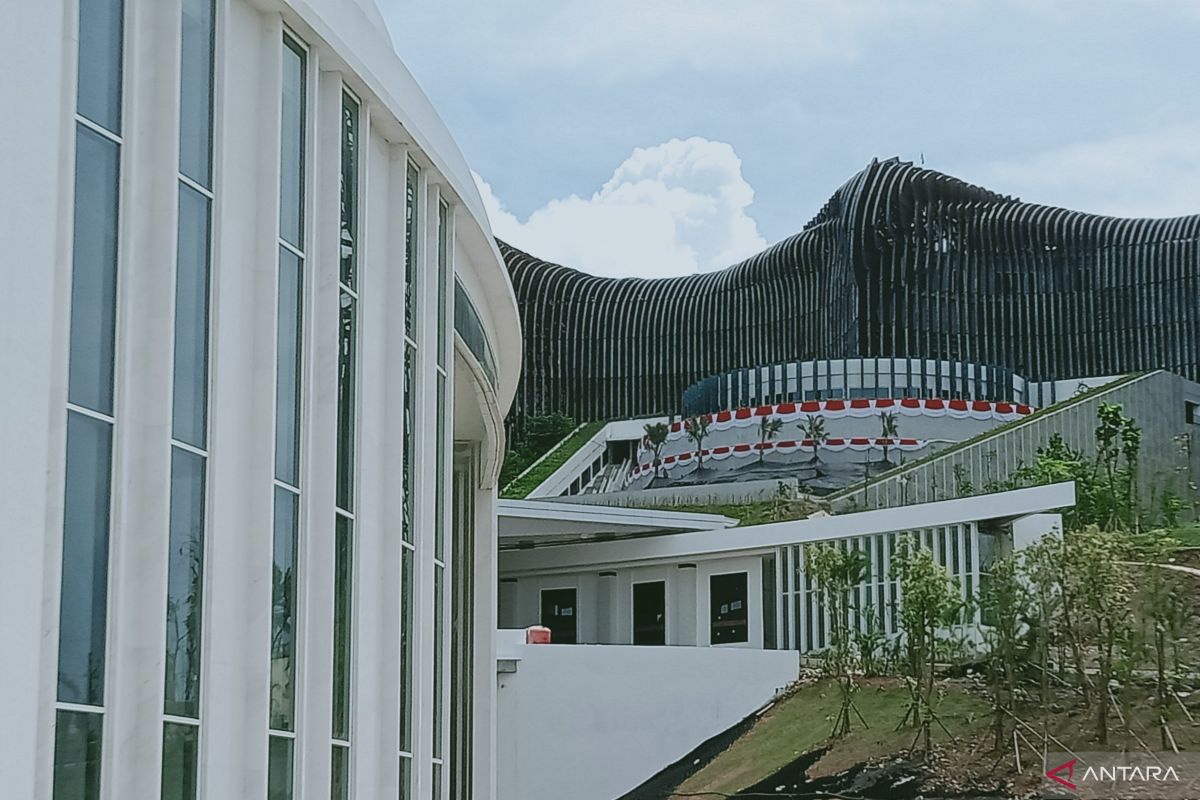
IKN Phase II to Boost East Kalimantan Economic Growth
The second phase of the Nusantara Capital City (IKN) project is expected to accelerate economic growth across East Kalimantan province, according to officials from the Nusantara Capital City Authority (OIKN). The expansion focuses on transitioning the new capital from basic infrastructure development to a broader urban ecosystem designed to stimulate regional trade and investment.
How will IKN Phase II impact East Kalimantan’s economy?
Phase II aims to move beyond the construction of government buildings to create a functional city that attracts private sector investment and residents. According to OIKN, this shift is intended to create a “multiplier effect” where the presence of a permanent administrative population drives demand for services, housing, and retail across the wider province. The authority states that the goal is to redistribute economic activity away from traditional hubs and integrate East Kalimantan’s regional economy with the new capital’s urban core.

What are the primary goals of the second phase?
The current stage of development focuses on increasing the “livability” of the city to ensure that civil servants and private workers relocate permanently. This includes the development of supporting infrastructure such as healthcare facilities, education centers, and commercial zones. OIKN officials indicate that the project is moving toward a “smart city” model, which they claim will optimize urban management and attract tech-driven industries to the region.
How does IKN’s growth compare to previous regional trends?
Historically, East Kalimantan’s economy has been heavily reliant on the extractive industries, specifically coal and palm oil. The IKN project represents a strategic shift toward a service- and administration-based economy. While previous growth in the province was tied to commodity price fluctuations, OIKN asserts that the new capital provides a more stable, diversified economic foundation by centering growth on government spending and urban development.
What happens next for the project?
The Indonesian government is currently prioritizing the completion of core government complexes to facilitate the official migration of state apparatus. OIKN is coordinating with regional governments in East Kalimantan to align provincial spatial planning with the capital’s growth requirements. The authority has scheduled ongoing reviews of private investment pledges to ensure that commercial projects, such as hotels and shopping centers, coincide with the arrival of the first waves of permanent residents.
Keep reading