Idemitsu Kosan Secures Stable Petroleum Supply for Japan
Idemitsu Kosan has purchased Russian crude oil to stabilize Japan’s petroleum supply following the closure of the Strait of Hormuz. Acting on a request from the Agency for Natural Resources and Energy, the refiner is bypassing Middle Eastern disruptions to secure essential energy resources amid a global supply crunch.
For a nation that imports 95% of its oil from the Middle East, the closure of the Strait of Hormuz is not merely a geopolitical headline—it is a systemic shock. When the primary artery of global energy is severed, the luxury of political hesitation vanishes, replaced by the cold necessity of survival. Japan is now witnessing a pragmatic pivot, where the urgent need for fuel overrides the cautious distancing from Russian energy that has defined the post-2022 era.
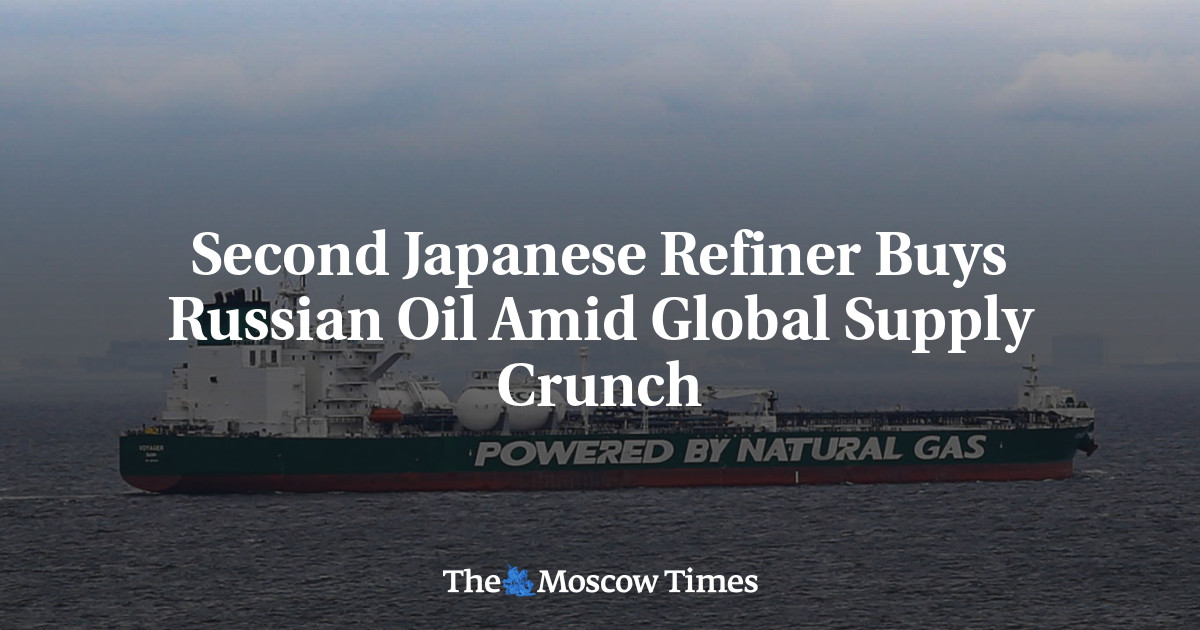
The arrival of the Oman-flagged tanker Voyager in Tokyo Bay marks a significant shift in strategy. What we have is not an isolated corporate decision, but a state-directed maneuver. Idemitsu Kosan explicitly stated that the purchase was made at the request of Japan’s Agency for Natural Resources and Energy to “ensure a stable supply of petroleum products.”
The Logistics of the Sakhalin Pivot
The Voyager is carrying Sakhalin Blend crude, a specific grade produced via the Sakhalin-2 project in Russia’s Far East. This project represents a complex web of international interests: while Russia’s Gazprom remains the controlling shareholder, Japanese trading houses Mitsui and Mitsubishi maintain minority stakes. This existing infrastructure provides a critical, albeit politically sensitive, lifeline for Tokyo.
This is the second time a Japanese refiner has taken this path recently. the Voyager had previously delivered oil to Taiyo Oil. The pattern suggests that the Japanese government is quietly reopening channels to Russian crude to hedge against the volatility of the Middle East. However, this window of opportunity is closing. A U.S. Exemption for oil sales from the Sakhalin-2 project is set to expire in June, adding a ticking clock to these emergency procurement strategies.
The volatility of these supply lines creates a nightmare for corporate compliance. Companies are now operating in a gray zone where national security imperatives clash with international sanctions. For many firms, navigating these contradictions requires the expertise of international trade attorneys who can balance regulatory adherence with the physical necessity of keeping the lights on.
The Middle East Dependency Trap
The sheer scale of Japan’s reliance on the Middle East—95% of its oil imports—makes the current blockade of the Strait of Hormuz an existential threat. To mitigate this, Tokyo is scrambling to diversify. While the Russian purchase provides an immediate fix, the long-term strategy involves increasing imports from the United States and other exporters who can bypass the blockaded waters.

This transition is not as simple as changing a vendor. It requires a complete overhaul of logistics, shipping routes, and refining calibrations. The shift from Middle Eastern grades to U.S. Or Russian blends requires technical adjustments at the refinery level. Businesses facing these sudden shifts in raw material sourcing are increasingly relying on global supply chain consultants to redesign their procurement networks for a world where traditional corridors are no longer guaranteed.

The current energy landscape can be summarized by the following key pressures:
- Geopolitical Blockades: The closure of the Strait of Hormuz has eliminated the most efficient route for Middle Eastern oil.
- Sanction Friction: The reliance on Russian crude, specifically from the Sakhalin-2 project, puts Japan in a delicate position with Western allies.
- Regulatory Deadlines: The impending June expiration of U.S. Exemptions creates a narrow window for securing Russian supplies.
- Infrastructure Strain: The need to rapidly integrate non-traditional oil sources into existing refinery workflows.
Energy Security as a National Mandate
The role of the Agency for Natural Resources and Energy in this transaction underscores that energy is now being treated as a matter of national defense rather than market economics. When the state requests a private refiner to purchase oil from a sanctioned or controversial source, it signals that the risk of domestic energy failure outweighs the risk of diplomatic friction.

This environment of instability is driving a broader trend toward energy sovereignty. Beyond the immediate crisis, there is a growing realization that relying on a single geographic region for nearly all petroleum needs is a strategic failure. The scramble for alternative sources is likely to accelerate, leading to more fragmented and complex trade agreements. For regional governments and municipal planners, Which means investing in energy security specialists to ensure that local infrastructure can withstand global shocks.
To understand the broader implications, one can look at the data provided by the International Energy Agency regarding global supply disruptions, or monitor the official diplomatic stances via the Ministry of Foreign Affairs of Japan.
The Voyager docking in Tokyo Bay is more than a delivery of crude oil; it is a symptom of a world where the old rules of trade and diplomacy are being rewritten in real-time. As the June deadline for U.S. Exemptions approaches, the tension between political alignment and physical survival will only intensify.
The lesson here is clear: stability is an illusion, and the only real security lies in diversification and the ability to pivot instantly. Those who cannot adapt their legal and logistical frameworks to this new volatility will find themselves stranded. Finding verified professionals through the World Today News Directory is no longer a luxury—it is a prerequisite for navigating a global economy where the maps are being redrawn every single day.