
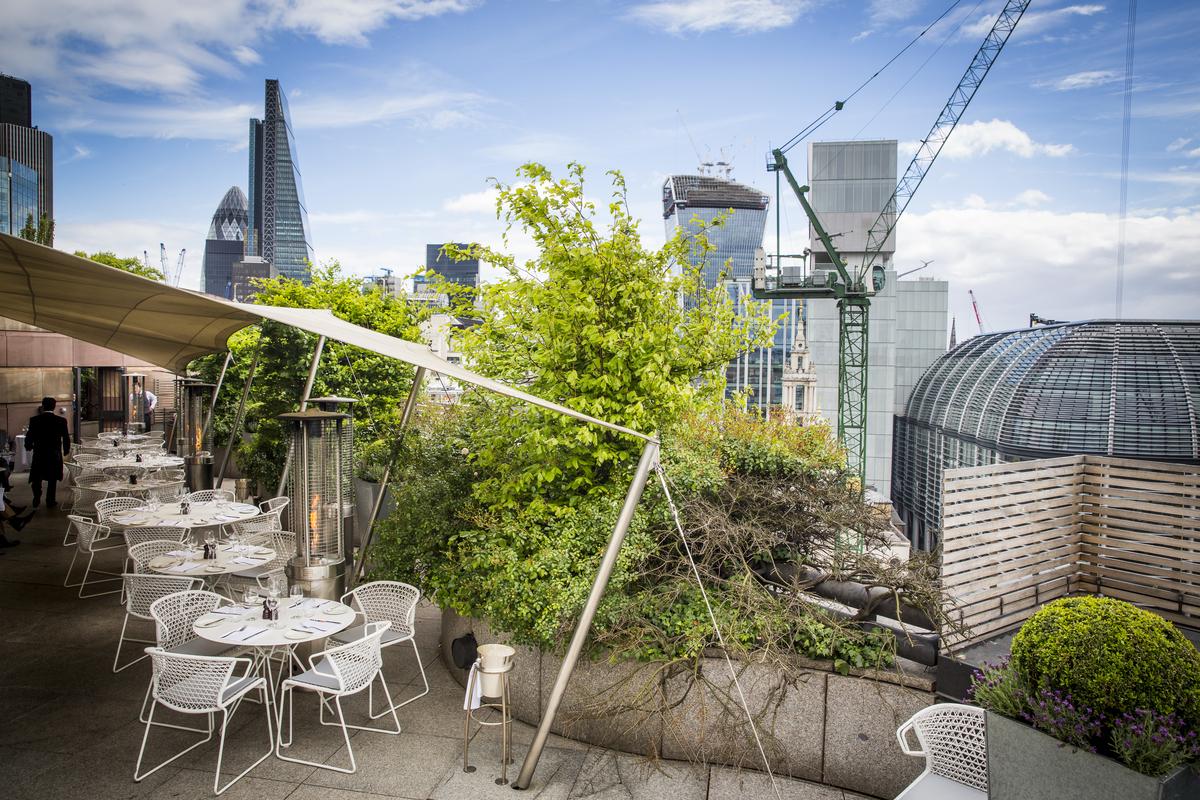
Iconic City dining spot set to relocate to new rooftop location
Coq d’Argent, the Square Mile’s premier French rooftop venue, confirms a 2027 relocation following a court-approved £100m redevelopment of its host building, No 1 Poultry. The Evolv Collection faces a complex lease exit and site acquisition, signaling a broader trend of asset optimization in London’s post-pandemic commercial property sector where operational yield often bows to capital appreciation.
The High Court’s recent green light for the refurbishment of the Grade II listed No 1 Poultry building has triggered a mandatory displacement clause for its most famous tenant. For nearly three decades, the restaurant has served as the de facto canteen for the City’s financial elite, generating consistent revenue streams even through the volatility of the 2020s. Yet, in the calculus of institutional investors like South Korean firm IGIS Asset Management, the heritage value of the architecture outweighs the hospitality lease.
This is not merely a change of address; it is a capital event.
The Economics of Displacement
When a landlord initiates a £100 million refurbishment, the math is brutal. The projected increase in net operating income (NOI) from modernized office space and premium retail units vastly outstrips the rental yield of a legacy restaurant lease. IGIS is effectively engaging in asset recycling, stripping out lower-yield tenants to maximize the building’s valuation multiple upon completion.
Martin Williams, CEO of The Evolv Collection, framed the move as an evolution, confirming a new rooftop location within the Square Mile for early 2027. While the press release emphasizes heritage and the legacy of founder Sir Terence Conran, the operational reality involves a high-stakes negotiation. Relocating a high-volume hospitality venue requires navigating a minefield of planning permissions, licensing transfers, and supply chain logistics that can erode margins before the first cover is served.
For mid-market hospitality groups, this transition period represents a critical vulnerability. Cash flow often dips during the migration phase, creating a liquidity gap that requires strategic bridging.
Site Selection in a Constrained Market
Finding a replacement rooftop in the City of London is a supply-constrained challenge. Zoning laws and height restrictions limit viable inventory, forcing operators to compete aggressively for premium real estate. This scarcity drives up lease premiums, compressing the EBITDA margins of the new location unless the operator can command a significant price increase from their clientele.
Successful navigation of this landscape requires more than a standard commercial agent. It demands specialized commercial real estate advisory firms capable of modeling the long-term capex requirements of a rooftop conversion. The structural load-bearing capacity, HVAC integration for high-volume kitchens, and outdoor seating licensing are technical hurdles that can derail a project timeline if not identified during due diligence.
“The displacement of anchor tenants in heritage buildings is becoming a primary driver of value creation in London’s core. Investors are realizing that the highest and best apply of these assets often requires a complete operational reset.”
Industry analysts note that the “redevelopment premium” is reshaping the City’s dining landscape. As older buildings are retrofitted for ESG compliance and modern workspace standards, legacy operators are pushed to the periphery or forced into vertical consolidation. The Evolv Collection’s ability to secure a new rooftop within the same micro-market suggests strong balance sheet health and significant leverage with local planning authorities.
Legal Frameworks and Lease Negotiations
The court decision permitting the redevelopment underscores the primacy of property rights over tenant tenure in high-value zones. For The Evolv Collection, the exit from No 1 Poultry involves complex legal maneuvering regarding dilapidations, lease break clauses, and the transfer of alcohol licenses. A misstep in the legal documentation can result in substantial liability or delays that push the reopening date beyond the critical Q2 2027 revenue window.
Corporate entities facing similar displacement due to asset redevelopment must engage specialized corporate law firms early in the process. The focus shifts from simple lease renewal to exit strategy and risk mitigation. Protecting the brand’s intellectual property and ensuring continuity of service during the transition are paramount to retaining the high-net-worth customer base that drives the average check size.
The stakes are elevated by the current inflationary environment. Construction costs for the new fit-out are projected to be 15% higher than pre-2024 benchmarks, according to recent RICS construction cost indices. This inflates the initial capital expenditure (CapEx), extending the payback period for the new location.
Operational Continuity and Brand Equity
Coq d’Argent reported a record year in 2025, a testament to its brand resilience. However, moving a “destination” venue carries the risk of customer attrition. The friction of a new location, even within the Square Mile, can disrupt the habitual spending patterns of corporate accounts and regular patrons.
To mitigate this, hospitality groups often deploy crisis management and hospitality consulting services to orchestrate the transition. The goal is to maintain brand visibility and engagement during the closure period. Digital marketing campaigns, loyalty program retention, and strategic partnerships with nearby venues can retain the revenue pipeline warm while the physical asset is being built.
- Asset Valuation: The £100m refurbishment of No 1 Poultry highlights the divergence between land value and operational yield in prime London districts.
- Supply Constraints: Rooftop inventory in the City remains scarce, driving up lease costs and necessitating expert site selection.
- Capital Intensity: Rising construction costs and regulatory hurdles increase the CapEx burden for relocating hospitality venues.
The trajectory for the Square Mile is clear: heritage assets are being financialized at an accelerated pace. The era of the static, decades-long lease in a historic building is ending, replaced by dynamic asset management strategies that prioritize maximum yield. For operators like The Evolv Collection, agility is the new currency. They must be prepared to pivot, negotiate, and rebuild without losing the brand equity that made them valuable in the first place.
As the City continues to densify and modernize, the friction between property development and business continuity will only intensify. Companies that proactively secure relationships with top-tier B2B service providers—from legal counsel to real estate strategists—will be the ones that survive the churn. The relocation of Coq d’Argent is not an isolated incident; it is a leading indicator of a market in flux, where adaptability determines survival.