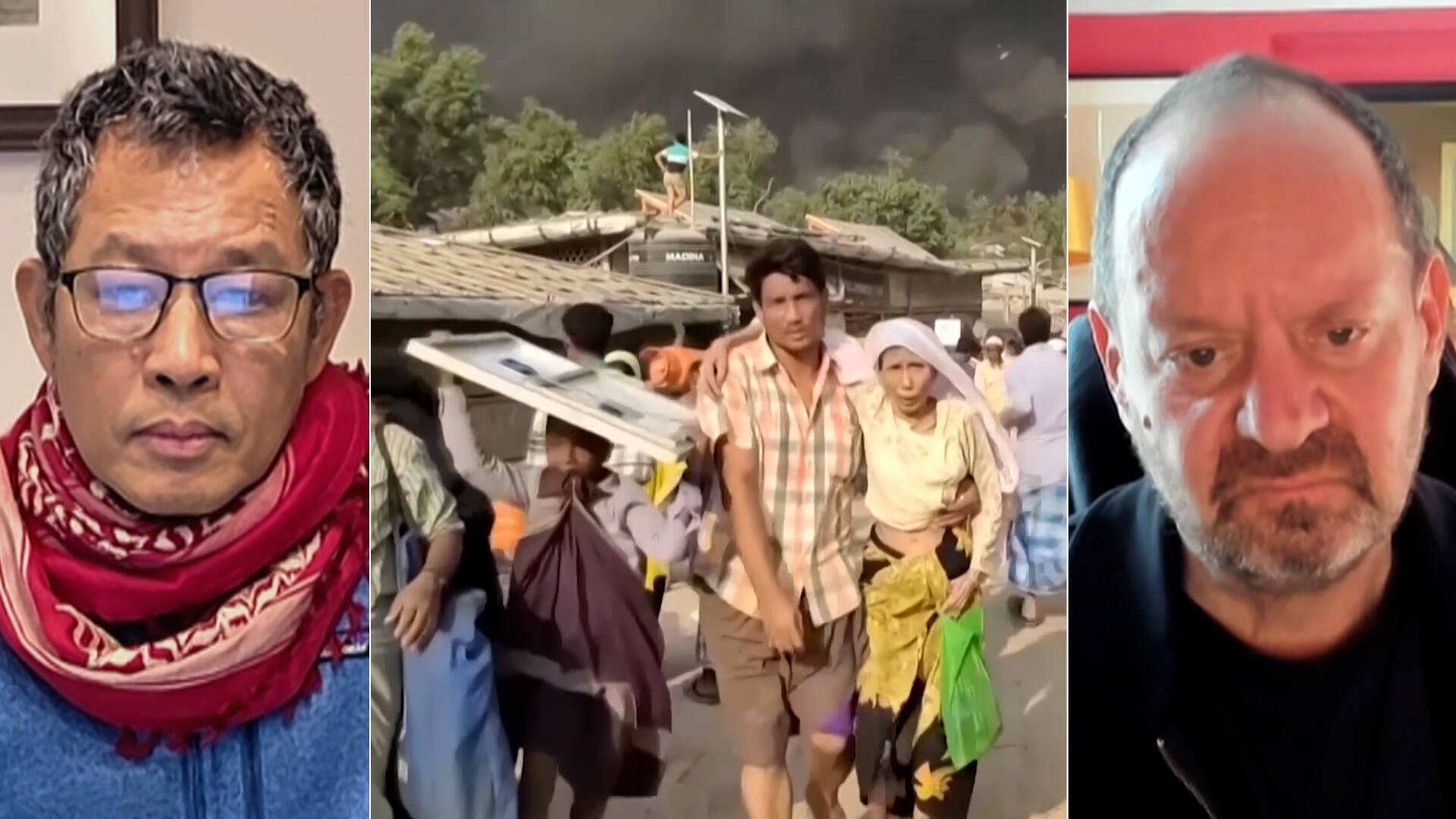
ICJ Rules Myanmar Committed Genocide Against Rohingya, 9-6 Vote
The International Court of Justice ruled on Thursday that Myanmar committed genocide against the Rohingya Muslim minority during a 2017 military crackdown.
The decision, reached by a 9-to-6 vote, marks the first time the court has held a nation directly responsible for violating the 1948 Genocide Convention.
Establishing State Responsibility for Genocide
Presiding Judge Yuji Iwasawa delivered the verdict in The Hague, confirming that approximately 10,000 Rohingya were killed during operations in northern Rakhine state. The court determined that the evidence supported only one reasonable inference: an intentional effort by the state to destroy a substantial part of the Rohingya population. This ruling represents a landmark application of the 1948 Genocide Convention, effectively establishing state liability for the crime.
The case was initiated in 2019 by The Gambia, a move prompted by the nation’s former attorney general, Ba Tambadou. According to Philippe Sands, a professor of law who served on The Gambia’s legal team, Tambadou’s prior experience as a prosecutor at the Rwanda Criminal Tribunal led him to recognize the patterns of genocide described by refugees in Bangladesh.
“Today, the International Court of Justice confirmed what Rohingya have said since 2017: What was done to them was genocide, and Myanmar is responsible,” Dawda Jallow, the Justice Minister of The Gambia, stated following the announcement.
Impact on Displaced Populations
The ruling carries immediate weight for the 1.2 million Rohingya currently living in refugee camps in Cox’s Bazar, Bangladesh, and those residing in the diaspora across Malaysia, Saudi Arabia, and other nations. For survivors, the verdict provides a long-awaited acknowledgment of their history.
“This is a vindication of what Rohingyas have been saying for the last almost 50 years, since 1978, when the first wave of genocidal expulsion was conducted by the very same perpetrating institution, Myanmar military.”
— Maung Zarni, a Burmese dissident and genocide scholar, told Democracy Now!
Inside Myanmar, the situation remains precarious for the approximately 500,000 Rohingya still in Rakhine state, who are living under military occupation.
Reparations and Future Legal Standards
The ICJ judgment is binding and final, with no possibility of appeal. The court has mandated a two-year window for Myanmar to report on steps taken toward restitution, including the restoration of homes and the guarantee of fundamental rights for the Rohingya population. If compliance is not achieved, The Gambia may return to the court to request formal reparations.
ICJ says Myanmar guilty of genocide against Rohingya November 20, 2026 The International Court of Justice (ICJ) said on Thursday that Myanmar committed genocide against its Rohingya minority, ordering refugees be given safe passage home and awarded compensation in an historic… pic.twitter.com/EzHx3SUDZr
While the court said that every case must be decided on its own specific facts, the judgment confirms the standard of proof required to demonstrate genocidal intent. “To prove genocide, you have to show genocidal conduct, conduct in which the only reasonable inference is that it was motivated by an intention to destroy a group in whole or in part,” Sands explained to Democracy Now!.
The International Court of Justice, the principal judicial organ of the United Nations and successor to the Permanent Court of International Justice, began work in April 1946 at the Peace Palace in The Hague. It is the only principal UN organ not located in New York City and comprises 15 judges elected to nine-year terms, with no two judges sharing the same nationality.
| Event | Year |
|---|---|
| First wave of genocidal expulsion | 1978 |
| Adoption of Genocide Convention | 1948 |
| Mass displacement into Bangladesh | 2017 |
| The Gambia initiates ICJ case | 2019 |
The court's determination that the 10,000 deaths were supported by evidence highlights the gravity of the 2017 crackdown. “The victory belongs to the Rohingya. They survived, they testified, and today they were believed,” Jallow said.
More on Myanmar
📢 UPDATE: Remote participation is now available! Join the discussion on the International Court of Justice’s judgment in The Gambia v. Myanmar and its implications for the Rohingya community, accountability and international law. 📅 20 November | 14:00 CET pic.twitter.com/rdip1uoaS9