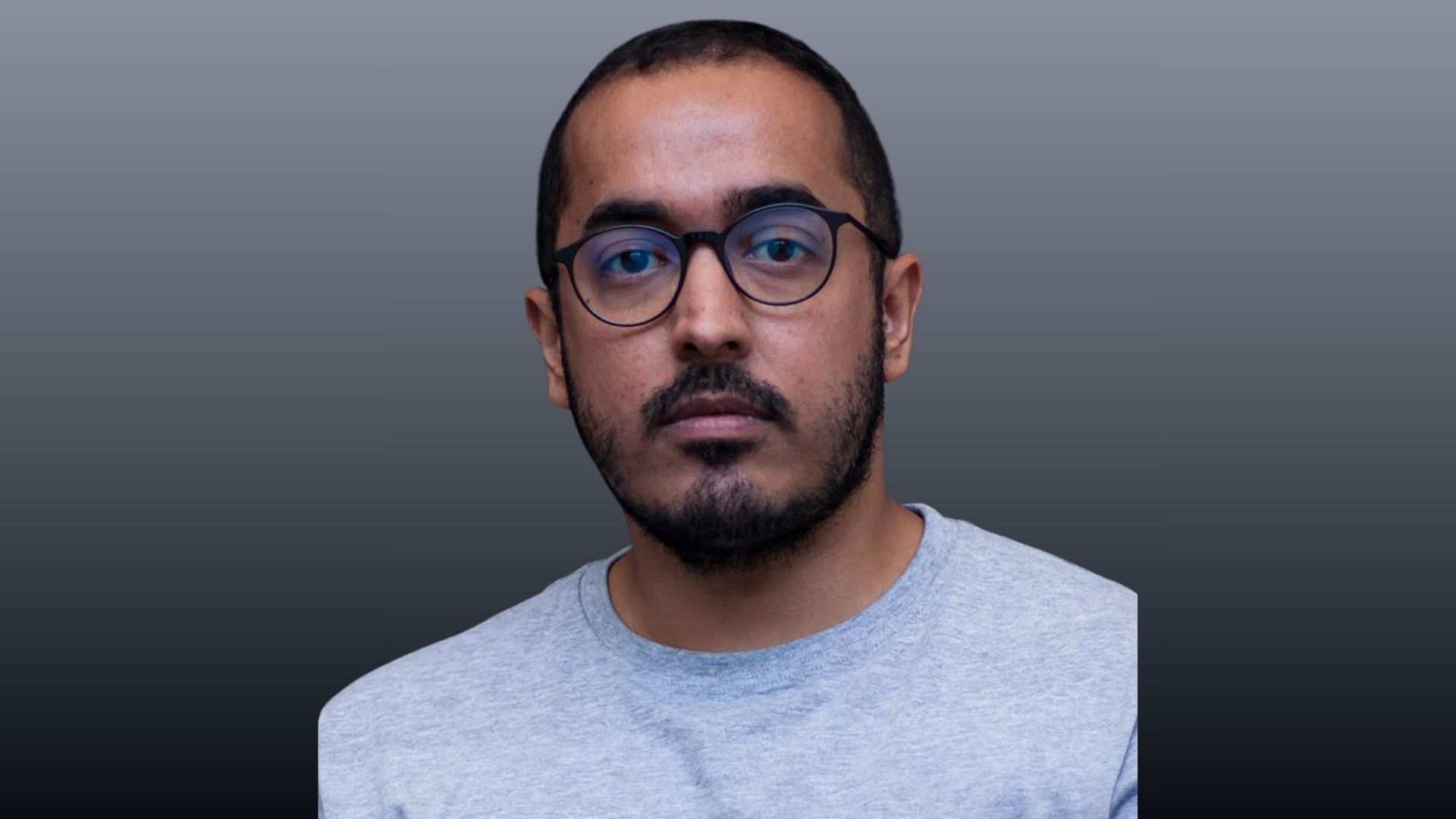
ICIJ Africa Coordinator Micah Reddy Released From Custody in Djibouti
International Consortium of Investigative Journalists Africa coordinator Micah Reddy was released from secretive custody in Djibouti on September 22, 2026, following a four-day detention over media accreditation issues. Reddy, alongside local assistant Mohamed Willo Ismael, flew out of the country unharmed after concerted diplomatic interventions by the South African, British, and United States governments.
Disappearance at Escale International Hotel
Micah Reddy arrived in Djibouti on September 17, 2026, traveling to the Horn of Africa state for reasons outside local reporting. According to the International Consortium of Investigative Journalists (ICIJ), communication with Reddy and his local assistant, Mohamed Willo Ismael—also known as Kooki Mahmoud—ceased abruptly around 1 p.m. local time on September 19 at the Escale International Hotel in Djibouti City. The Washington-based consortium raised the alarm within hours as messages to both men went unanswered.
For two days, neither family members nor colleagues received official word regarding their whereabouts or condition. The uncertainty generated acute distress for the families waiting for news. “Waiting for news of a loved one whose whereabouts and wellbeing are unknown is unimaginably painful,” the Reddy family said in a written statement.
Diplomatic Pressure and Unofficial Confirmation
By September 21, 2026, the ICIJ confirmed through unofficial diplomatic channels that Djiboutian authorities were holding Reddy. Officials later asserted that he had failed to obtain proper media accreditation prior to conducting activities. Angela Quintal, Africa director of the Committee to Protect Journalists (CPJ), noted the gravity of the situation, stating, “Four days in secretive intelligence custody is unacceptable treatment of an investigative journalist.”

Governments launched coordinated inquiries to secure information. The South African, British, and U.S. governments actively assisted in reaching out to Djiboutian authorities. ICIJ director Gerard Ryle expressed gratitude to U.S. Embassy staff in Djibouti, South African diplomat Zane Dangor, and U.K. diplomatic personnel in Washington, D.C. and London for their swift interventions.
Official Explanations and Release
Djiboutian authorities maintained silence publicly until the day of release. Djibouti’s Minister of the Interior, Omar Abdi Said, stated that Reddy arrived with the intention of carrying out assignments without official notification and bypassed mandatory accreditation protocols. Consequently, authorities ordered him to leave the territory.

Reddy was freed on September 22, 2026, alongside Ismael, who faced no charges. Reddy flew out of Djibouti immediately, making contact with his family from Addis Ababa before returning to South Africa. The Reddy family expressed profound relief alongside ongoing dismay regarding the secrecy surrounding the detention.
Gerard Ryle highlighted the broader implications of the episode for press safety. “The many calls for press freedom and for the men’s swift release are an example of the solidarity that matters when a journalist’s safety is put at risk,” Ryle said.