
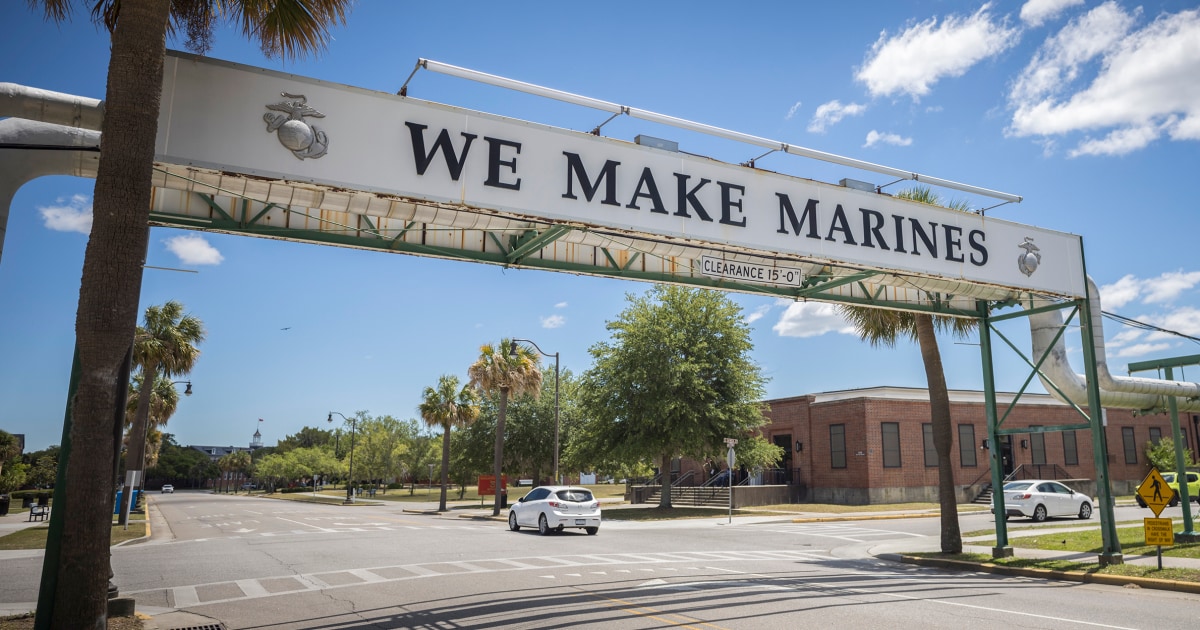
ICE agents will be stationed outside Marine Corps graduation events in South Carolina
ICE agents are screening families at Marine Corps graduations in Parris Island, South Carolina, amidst heightened force protection measures. While DHS denies arrest plans, the move risks significant brand equity damage for the military institution. This development demands immediate crisis communication strategies to mitigate reputational fallout.
The landscape of institutional branding shifts violently in 2026. Just as Dana Walden restructured Disney Entertainment to streamline creative oversight across film, TV, and streaming, the Marine Corps is implementing a drastic overhaul of access protocols at its recruit depot. The decision to station Immigration and Customs Enforcement (ICE) agents outside graduation events at Parris Island introduces a complex logistical and public relations variable into a ceremony traditionally viewed as a patriotic pinnacle. For an Entertainment Editor tracking the intersection of culture and power, this isn’t just immigration policy; it is a case study in brand management under fire.
The Brand Equity Risk for Military Partnerships
Hollywood has long relied on a symbiotic relationship with the Department of Defense. Productions seeking authenticity in military dramas require access to equipment, bases, and technical consultation. This partnership hinges on the public perception of the armed forces as honorable and accessible. When the gatekeepers of that institution introduce friction at the family level, the cultural narrative shifts. The Marine Corps Recruit Depot at Parris Island has hosted graduation ceremonies about 46 weeks of the year since 1915, building a century of tradition. Suddenly, requiring REAL IDs, U.S. Passports, or birth certificates to access sites creates a barrier that alienates the remarkably demographic recruitment campaigns target.

Undocumented immigrants are generally ineligible for federal REAL IDs. Family members without these documents face enhanced screening and lawful immigration status inquiries at installation access points. A message on the Parris Island website clarified that federal law enforcement personnel will be present to conduct these inquiries during recruit family and graduation days. While a DHS spokesperson stated, “ICE will not be making arrests at the basic training graduation in Paris Island, SC,” the visual imagery of federal agents screening grieving or celebrating families creates a potent visual narrative. In the court of public opinion, perception often outweighs policy nuance.
Logistical Nightmares and Event Security Protocols
From an event management perspective, this pivot introduces severe friction. Graduation is Friday morning, but family members arrive beginning Wednesday to celebrate their sons’ and daughters’ completion of the grueling 13-week boot camp. Marine recruits aren’t allowed to see their families during training, making this reunion the emotional core of the service member’s journey. Introducing federal law enforcement into this mix transforms a celebratory event into a security checkpoint.
A spokesperson for MCRD Parris Island noted, “While the Marine Corps routinely coordinates with federal partners on security matters, this is the first time in recent memory that federal law enforcement agencies have supported base access operations at Parris Island in this capacity.” This admission highlights the anomaly. For event producers and security firms, this signals a new baseline for high-profile gatherings. The requirement for guests to bring proper identification and limit items carries onto the installation suggests a tightening of control that mirrors high-security film sets or exclusive industry galas. When security protocols escalate, the need for specialized regional event security and logistics vendors becomes critical to ensure smooth operations without causing public incidents.
The Crisis Communication Imperative
The ambiguity surrounding the duration of this measure fuels speculation. It’s not clear whether ICE will be at the gate to Parris Island for the foreseeable future or whether the involvement could expand to other bases. In the entertainment industry, uncertainty is the enemy of investment. Studios hesitate to partner with brands facing volatile public sentiment. The military brand is no different. If recruitment numbers dip due to negative press, the cultural footprint of military storytelling shrinks.
Handling this level of public fallout requires more than standard press releases. The immediate move for any institution facing this scrutiny is to deploy elite crisis communication firms and reputation managers to control the narrative. The goal is to separate the security necessity from the human impact. As the U.S. Continues broader geopolitical engagements, including ongoing conflicts that boost protection measures on bases, the balance between force protection and public access becomes a tightrope walk. Legal counsel specializing in government contracts and public liability would advise transparency to avoid litigation from excluded family members.
Industry Implications and Future Outlook
This situation mirrors the restructuring seen in major media conglomerates. Just as Debra OConnell was upped to Chairman to oversee all Disney TV brands to ensure cohesive strategy, the Marine Corps is centralizing security oversight to address perceived threats. Still, the human cost differs. In media, a restructuring might delay a showrunner’s pitch; here, it separates families. The cultural significance of the Marine graduation is akin to a franchise finale—it is the culmination of a narrative arc. Disrupting the audience experience (the families) risks turning viewers against the franchise.
For the media sector, this serves as a warning on dependency. Productions relying on military cooperation must assess the stability of their partners. If the Marine Corps brand suffers, the intellectual property and production legal teams behind military-themed projects may need to pivot storylines to avoid association with controversy. The box office economics of patriotism are real, but they are fragile. Audiences consume content that reflects their values. If the institution portrayed on screen is perceived as hostile off-screen, the suspension of disbelief breaks.
the presence of ICE agents at Parris Island is a logistical solution to a security problem that creates a public relations crisis. The military must navigate this without eroding the trust required for recruitment and cultural partnership. For the businesses servicing these institutions, the opportunity lies in providing the infrastructure to manage these high-stakes environments smoothly. Whether through advanced security screening technology or strategic communication planning, the demand for professional mitigation services will only grow as the line between national security and public access blurs.
Disclaimer: The views and cultural analyses presented in this article are for informational and entertainment purposes only. Information regarding legal disputes or financial data is based on available public records.