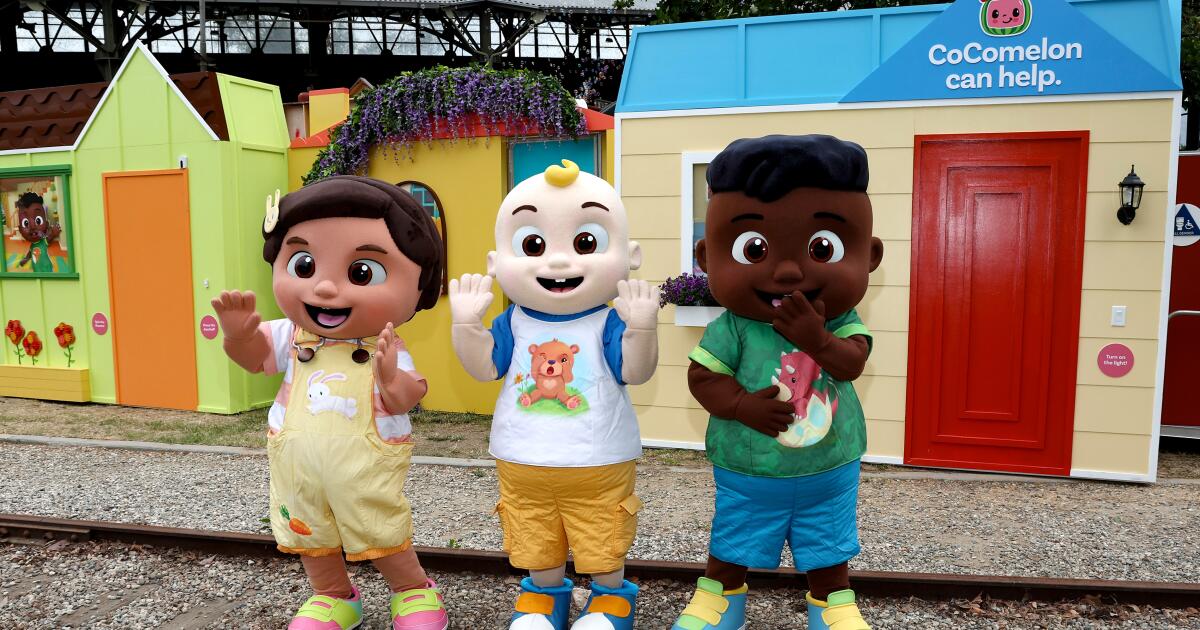
IATSE Strike Hits CoComelon: The Melon Patch Production
IATSE crew members have walked off the set of “CoComelon: The Melon Patch,” the live-action adaptation of the preschool juggernaut. The walkout stems from claims of chronic understaffing and substandard wages, threatening the production timeline of one of the most valuable intellectual properties in the children’s media space.
In the current climate of the 2026 production cycle, where the industry is still recalibrating the balance between lean budgets and sustainable labor, the “Melon Patch” shutdown is a loud wake-up call. CoComelon isn’t just a YouTube success story; it is a global brand equity powerhouse with an SVOD presence that rivals legacy networks. Transitioning a 3D-animated world into a live-action series is a high-wire act of production design and logistical precision. When the people responsible for building that world—the lighting techs, the grip crews, the set dressers—decide the cost of entry is too high, the entire project grinds to a halt.
The core of the dispute is a classic industry friction point: the gap between the perceived wealth of a franchise and the actual daily rates of the crew. IATSE has made it clear that “The Melon Patch” is suffering from a systemic failure in staffing. In the world of high-end live-action production, understaffing doesn’t just lead to fatigue; it creates a safety hazard. When a crew is overworked and underpaid, the quality of the production pipeline suffers, and the risk of costly on-set accidents spikes. This is where the business of entertainment hits a wall of reality.
“When a production of this scale attempts to ‘optimize’ its budget by slashing crew numbers, they aren’t saving money—they are deferring a crisis. The moment the labor force realizes the brand’s valuation doesn’t match their paycheck, the set goes dark.”
The Brand Equity Paradox: Wholesome Image vs. Labor Reality
There is a particular kind of PR nightmare that occurs when a brand built on kindness, learning, and familial harmony is accused of exploiting its workforce. CoComelon’s brand identity is its most valuable asset. For the studio, the walkout is more than a scheduling delay; it is a narrative threat. In an era where social media sentiment analysis can tank a project’s viability before the first episode even drops, the optics of “overworked” and “underpaid” workers are toxic.

The transition to live-action was designed to expand the IP’s reach, potentially opening doors to new syndication deals and higher-tier licensing agreements. However, the current instability suggests a disconnect between the creative ambition of the showrunners and the operational reality of the production. This is a textbook example of why studios cannot rely on the momentum of an animated hit to carry a live-action shoot. The physical demands of a set are vastly different from the render farms of an animation studio.
When a brand deals with this level of public fallout, standard corporate statements are insufficient. The studio’s immediate move is typically to deploy elite crisis communication firms and reputation managers to stop the bleeding and reshape the narrative before it reaches the parents who fuel the franchise’s viewership.
The Financial Ripple Effect of a Set Shutdown
The economics of a walkout are brutal. Every day the cameras aren’t rolling, the production burns through its daily overhead without generating a single frame of usable footage. For a project like “The Melon Patch,” which likely involves complex set builds and high-cost location rentals, the “burn rate” is astronomical. We are talking about a scenario where the cost of the strike quickly outweighs the cost of simply paying the crew a fair wage.

Beyond the immediate budget, there is the issue of the backend gross and distribution windows. If the series misses its premiere date, it disrupts the entire marketing rollout, affecting everything from toy tie-ins to streaming platform placements. The synergy between the content and the merchandise is the heartbeat of the CoComelon business model. A delay in the “Melon Patch” launch creates a vacuum in the merchandise pipeline, potentially costing the IP holders millions in lost quarterly revenue.
This logistical leviathan requires more than just a director; it requires a level of oversight that ensures labor contracts are honored to avoid these exact bottlenecks. Many productions are now realizing that investing in seasoned production management specialists is the only way to ensure that the creative vision doesn’t collapse under the weight of poor labor planning.
Navigating the Legal and Contractual Minefield
The IATSE strike highlights a growing tension in the industry regarding “tiered” wage structures and the definition of fair working conditions in the post-streaming era. The claim that workers are being paid “lower wages” suggests a possible breach of collective bargaining agreements or an attempt to classify workers in a way that avoids standard industry rates. This is where the dispute moves from the set to the courtroom.
The legal ramifications of this walkout will likely center on the specific language of the labor contracts. If the production is found to have systematically understaffed the project in violation of safety or union guidelines, the financial penalties could be severe. The studio must navigate the complex web of intellectual property protections and contractor agreements to ensure that the shutdown doesn’t trigger “force majeure” clauses in their distribution deals.

Protecting a franchise’s stability during these disputes requires a surgical approach to contract law. Studios in this position inevitably lean on high-tier IP attorneys and labor specialists to negotiate a settlement that satisfies the union without setting a precedent that could inflate budgets across their entire portfolio of projects.
“The ‘Melon Patch’ situation is a case study in the dangers of treating live-action production as a secondary cost center rather than a primary creative investment. You cannot build a premium world on a discount labor budget.”
The Future of the Preschool IP Pipeline
As the industry watches the resolution of the CoComelon dispute, the broader lesson is clear: the “creator economy” logic of the internet—where lean teams and “passion projects” drive growth—does not translate to the industrial scale of professional television production. The prestige of an IP does not exempt a production from the basic requirements of labor equity.
Whether “The Melon Patch” eventually finds its footing or remains a cautionary tale of ambition over operational reality depends on the studio’s willingness to pivot. The creative zeitgeist has shifted; audiences and workers alike are demanding transparency, and fairness. The brands that survive the next decade will be those that treat their behind-the-scenes crew as essential components of their brand equity, rather than line items to be minimized.
For those navigating the volatile intersection of entertainment, law, and public image, the need for vetted, professional guidance has never been higher. From the moment a project is greenlit to the day it hits the screen, the support of a professional network is the only thing standing between a hit series and a high-profile collapse. To find the experts who keep the cameras rolling—from crisis PR to elite legal counsel—explore the comprehensive resources available at the World Today News Directory.
Disclaimer: The views and cultural analyses presented in this article are for informational and entertainment purposes only. Information regarding legal disputes or financial data is based on available public records.