
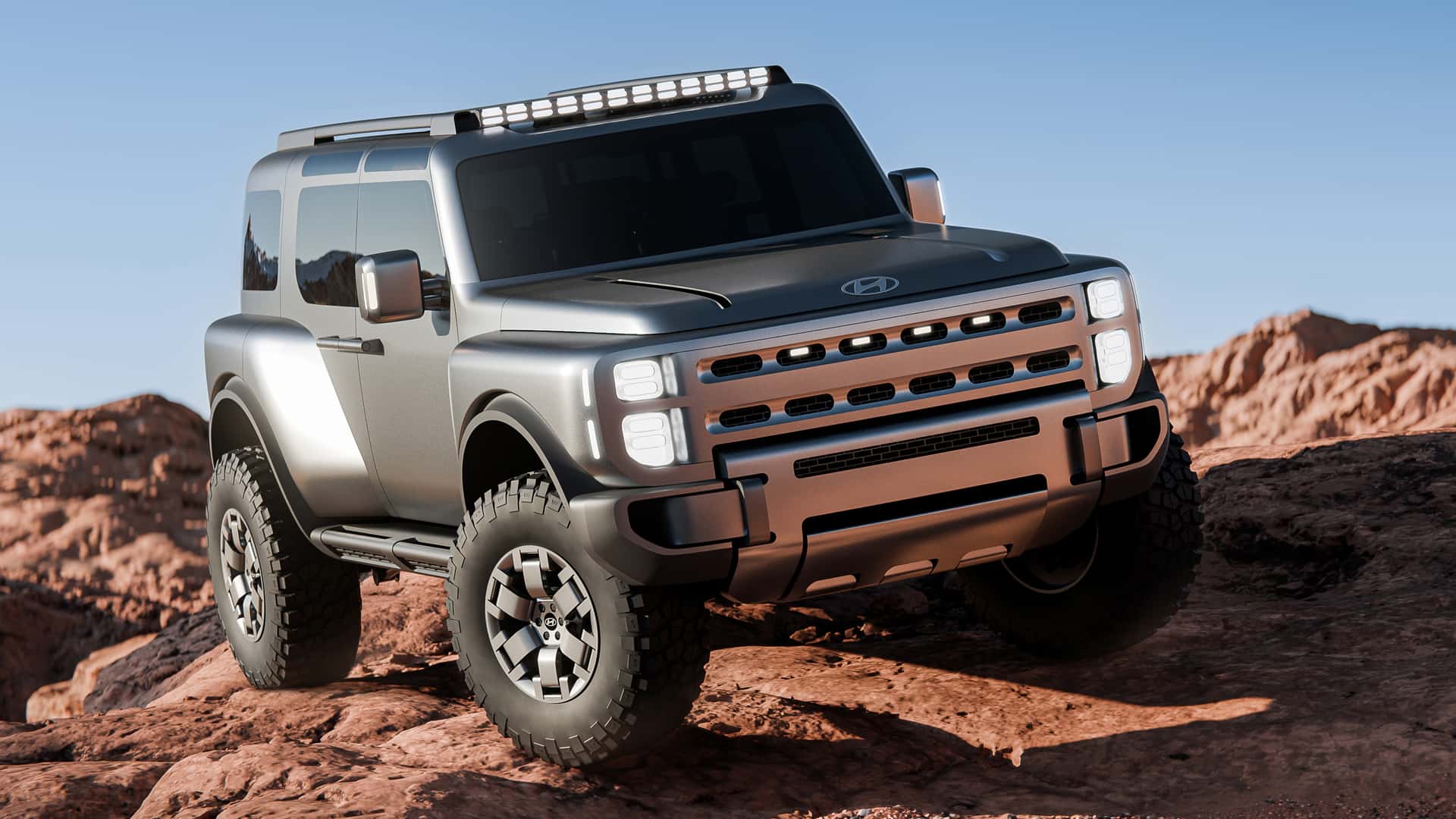
Hyundai Boulder Concept: First Look at New Body-on-Frame Platform
Hyundai Motor Company has officially unveiled the Boulder Concept, signaling a strategic pivot into the body-on-frame segment with a midsize pickup slated for production before 2030. This move targets the high-margin utility vehicle market, leveraging a new dedicated platform to compete directly with established rivals like the Toyota Tacoma. The initiative represents a critical capital allocation shift, requiring significant retooling of manufacturing infrastructure to accommodate rugged chassis architectures distinct from Hyundai’s traditional unibody dominance.
The automotive landscape is shifting underfoot. For years, Hyundai thrived on the efficiency of unibody construction, optimizing for fuel economy and on-road refinement. That era of singular focus is ending. The Boulder Concept isn’t just a design study. it is a declaration of war on the profit pools of the North American truck market. By committing to a body-on-frame architecture, Hyundai acknowledges that brand loyalty in the utility sector is built on durability, not just digital dashboards.
Market data suggests the midsize truck segment remains one of the few areas where pricing power remains robust despite broader economic headwinds. Competitors in this space often command transaction prices well above MSRP, driving healthier gross margins than the sedans or crossovers that currently populate Hyundai’s lineup. Though, entering this arena late carries execution risk. The supply chain for heavy-duty chassis components differs vastly from the just-in-time delivery models used for passenger cars.
According to the latest strategic roadmap released by Hyundai Motor Group, the new platform will underpin not only the pickup but likely a rugged SUV variant, maximizing the return on investment for the new tooling. This platform-agnostic approach is standard industry practice now, yet for Hyundai, it represents a fundamental restructuring of their North American product cadence. The “Art of Steel” design language showcased on the Boulder is more than aesthetic; it is a signal to investors that the company is prepared to absorb the higher CAPEX required for frame-based manufacturing.
Manufacturing a body-on-frame vehicle introduces complexity that ripplesthrough the entire production line. Welding robots programmed for unibody monocoques cannot simply be retooled; they often require replacement or significant reprogramming to handle the ladder frame assembly. This creates an immediate demand for specialized industrial expertise.
As automakers scramble to diversify their chassis architectures, many are turning to industrial automation consultants to retrofit existing assembly lines without halting production. The cost of downtime in a high-volume plant can erase quarterly EBITDA gains, making the transition to frame-based assembly a logistical tightrope walk that requires precision engineering partners.
“Hyundai is late to the body-on-frame party, but the midsize segment is still growing. The real test isn’t the concept; it’s whether they can source a supply chain capable of delivering frame durability without inflating the BOM cost.” — Senior Automotive Analyst, Global Institutional Research
The Boulder’s specifications hint at a vehicle designed for genuine off-road capability rather than suburban aesthetic. With 37-inch mud-terrain tires, aggressive approach angles, and a generous fording depth, the concept targets the overlanding demographic—a consumer base willing to pay a premium for factory-equipped ruggedness. The interior, featuring a retro-futuristic cabin with physical controls and a windshield-mounted HUD, suggests Hyundai is betting on a blend of analog reliability and digital convenience.
Powertrain details remain under wraps, but the platform’s flexibility is key. Accommodating pure electric, combustion, and hybrid options allows Hyundai to hedge against regulatory uncertainty. If emissions standards tighten further by 2030, a hybrid powertrain on a lightweight frame could offer the torque needed for towing without the penalty of a massive battery pack. This flexibility is crucial for maintaining asset liquidity in a volatile regulatory environment.
However, launching a new truck requires more than just metal and motors; it demands a narrative shift. Hyundai’s brand equity is currently tied to value and warranty, not rugged heritage. To command the prices necessary to justify the R&D spend, the marketing machine must function overtime to convince consumers that a Hyundai truck belongs in the dirt alongside a Ford or a Jeep.
This branding challenge often necessitates external expertise. Corporate marketing teams frequently engage automotive branding agencies to reposition legacy perceptions and craft campaigns that resonate with the truck-buying demographic. Without a cohesive brand story, even the most capable truck risks becoming a fleet vehicle, which destroys residual values and hurts the bottom line.
The Fiscal Implications of Platform Diversification
Diversifying into body-on-frame vehicles alters the company’s cost structure. Frame vehicles typically have higher material costs due to the steel required for the ladder chassis. They also tend to have lower fuel efficiency, which can impact CAFE compliance credits. Hyundai must balance these factors carefully to avoid margin compression.

- Capital Expenditure: Retooling plants for frame assembly requires significant upfront investment, impacting free cash flow in the near term.
- Supply Chain Resilience: Sourcing heavy-duty components requires different vendor relationships than those used for passenger car electronics.
- Market Positioning: Successfully entering the segment could unlock a new revenue stream, potentially increasing overall market share in the high-margin utility sector.
The timeline is tight. With a target launch before 2030, development cycles are already in motion. The Boulder Concept serves as a mule for testing consumer reaction, but the real work happens in the supplier negotiations and manufacturing validation phases. Investors will be watching closely to see if Hyundai can execute this pivot without diluting the quality that built their reputation.
For the broader market, this move indicates a maturation of the EV and utility sectors. As electrification progresses, the definition of a “truck” is evolving. Hyundai’s willingness to build a dedicated frame suggests they see a long-term future for physical ruggedness, regardless of the powertrain. It is a bet on the enduring appeal of the traditional truck form factor, adapted for a new decade.
As the automotive industry navigates this transition, the companies that thrive will be those that can manage complex supply chains and brand narratives simultaneously. For stakeholders looking to understand the ripple effects of such strategic pivots, accessing vetted supply chain risk management firms becomes essential to mitigate the operational friction inherent in launching new vehicle architectures.
The Boulder is more than a concept; it is a stress test for Hyundai’s engineering and financial resilience. If they pull it off, they secure a foothold in one of the most profitable segments in the industry. If they stumble, the cost of the failed experiment will weigh heavily on the balance sheet. The road to 2030 just got a lot rougher, and a lot more interesting.