
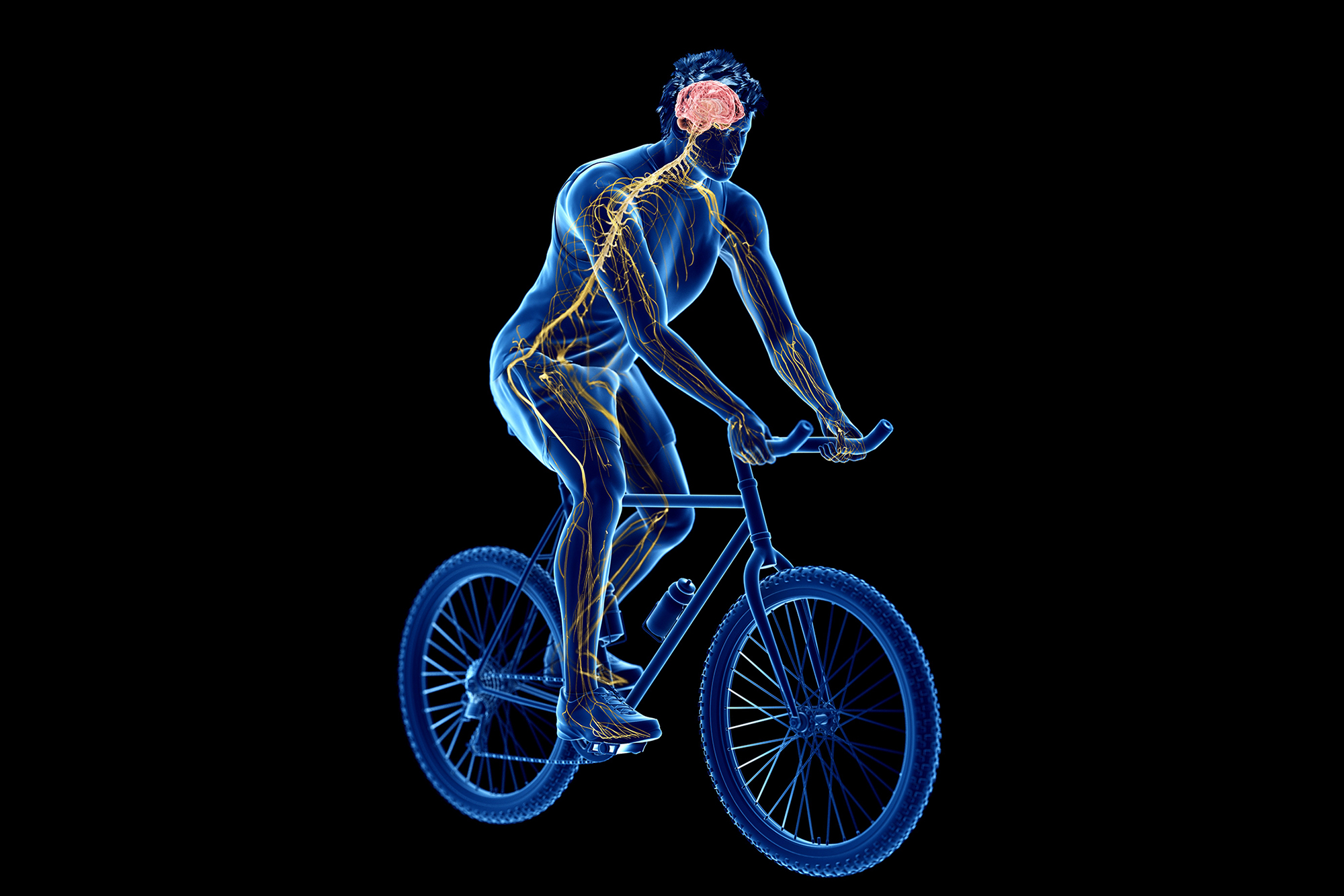
Researchers at the University of Pennsylvania have identified a specific set of neurons in the hypothalamus that play a critical role in translating physical exertion into increased endurance, a finding that could lead to new therapies mimicking the benefits of exercise. The study, led by J. Nicholas Betley, an associate professor of Bioengineering, demonstrates that activity within these neurons is essential for the physiological adaptations that build stamina.
The research, detailed in recent findings, centers on the brain’s response to exercise. While the benefits of physical activity are well-established, the precise neural mechanisms driving the development of endurance have remained elusive. Betley’s team focused on the hypothalamus, a region of the brain known to regulate a variety of bodily functions, including energy balance and motivation. Their work suggests that specific neurons within this region are activated during exercise and contribute to the long-term improvements in physical capacity.
According to a report from Penn Today, the team’s experiments involved monitoring neuronal activity in mice during treadmill exercise. They discovered that a particular population of neurons in the hypothalamus exhibited increased activity during physical exertion. Further investigation revealed that manipulating the activity of these neurons directly impacted the mice’s endurance. Specifically, enhancing neuronal activity correlated with improved stamina, while suppressing it led to a reduction in endurance capacity.
The findings have implications beyond simply understanding how exercise works. Researchers believe that identifying these key neurons could pave the way for developing pharmacological interventions that mimic the effects of exercise, offering potential benefits for individuals unable to engage in physical activity due to illness or injury. This concept aligns with ongoing research into the neurological basis of pain management, as highlighted by a separate study from Penn Today detailing a “built-in ‘off switch’” for persistent pain, suggesting a broader understanding of neural control over physiological processes.
The study builds on previous work demonstrating a link between brain activity and exercise performance. A report in Genetic Engineering and Biotechnology News highlighted research showing that exercise triggers brain activity that helps build endurance in mice, reinforcing the idea that the brain plays an active role in mediating the benefits of physical activity. The Penn team’s research, however, pinpoints a specific neuronal population responsible for this effect.
Scientists are also uncovering more about the brain’s complex role in pain perception. Research published by SciTechDaily details the discovery of a “hidden pain switch” within the brain, demonstrating the intricate neural circuitry involved in regulating sensory experiences. While distinct from the endurance research, this work underscores the brain’s capacity for modulating physiological responses.
Betley’s team is now focused on further characterizing the specific signaling pathways involved in the activation of these hypothalamic neurons and exploring the potential for developing targeted therapies. The long-term goal is to translate these findings into clinical applications that can improve the health and well-being of individuals across a range of conditions. The University of Pennsylvania has not yet announced a timeline for potential clinical trials.
