
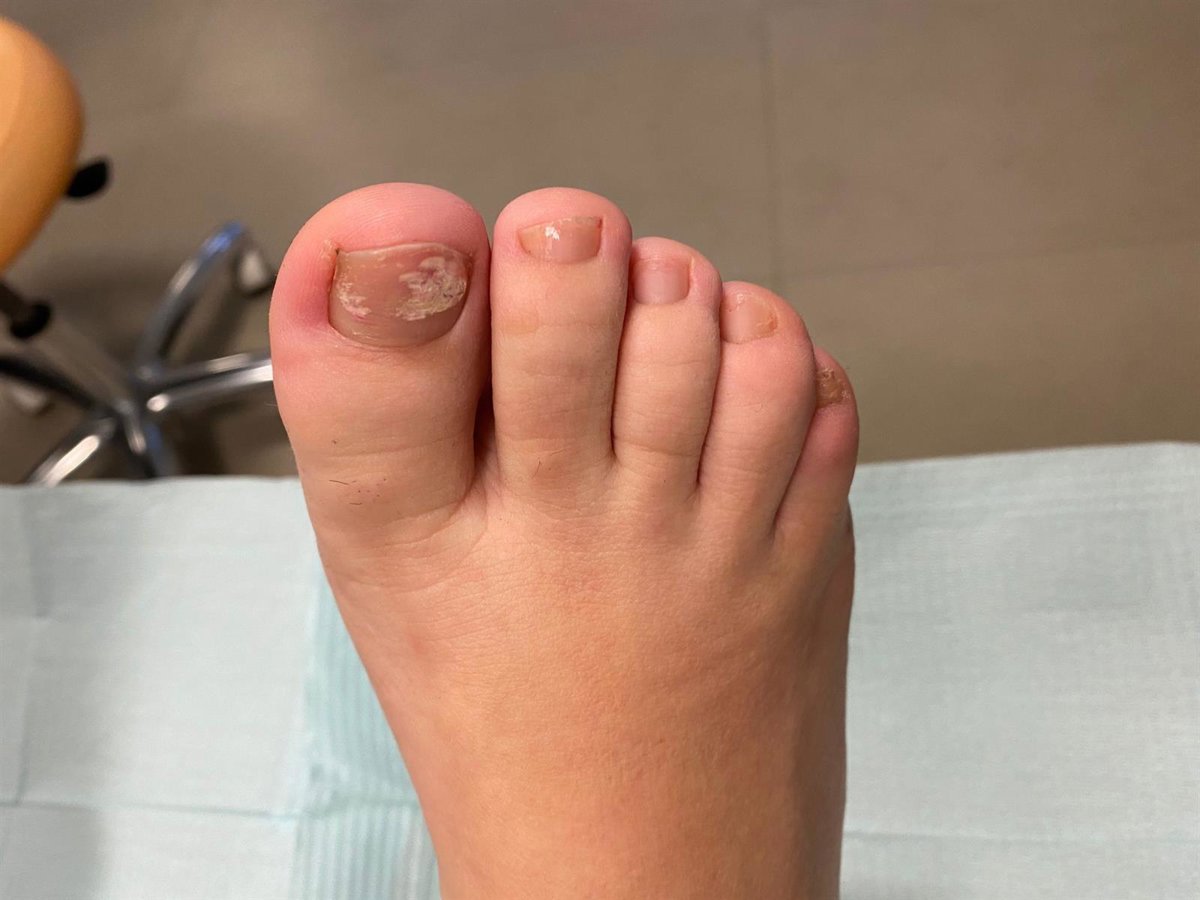
New Hope for Nail Infections: Volcanic Gas Shows Promise as a Faster, More Effective Treatment
London, UK – A common and often stubborn ailment – nail infections - may soon have a novel treatment thanks to research from the University of Bath and King’s College London (KCL). Scientists have discovered that hydrogen sulfide, a gas naturally produced by volcanoes and recognizable by its rotten egg smell, demonstrates strong potential as a faster-acting and less problematic solution for fungal and bacterial nail infections.
Nail infections affect a notable portion of the global population, impacting between 4% and 10% of individuals. This number climbs dramatically with age, affecting nearly half of those over 70. While typically not life-threatening, these infections can lead to complications, particularly for individuals with diabetes or weakened immune systems, and are notoriously challenging to eradicate.
Current treatment options fall into two main categories: oral antifungal medications and topical applications. Oral antifungals, while reasonably effective, require 2-4 months of treatment and carry the risk of side effects, especially for patients with pre-existing health conditions. Topical treatments are safer, but frequently enough require years to show results, with frequent relapses and a limited ability to penetrate the nail to reach the source of the infection.Existing topical treatments have relatively low cure rates, highlighting the need for improved therapies.
The new research, published in Scientific Reports, reveals that hydrogen sulfide (H2S) overcomes many of these limitations. Previous studies indicated H2S penetrates the nail plate more effectively than current topical drugs. this latest study confirms that H2S also possesses potent antimicrobial properties against a broad spectrum of nail pathogens, including strains resistant to conventional antifungal medications.
In laboratory testing, researchers utilized a compound that releases hydrogen sulfide gas.They found that H2S disrupts the energy production of microbes, causing irreversible damage and ultimately leading to their death.
“We believe a topical medication containing hydrogen sulfide could become a highly effective new treatment for nail infections, avoiding the limitations of current therapies,” explains Dr. Albert Bolhuis of the University of Bath’s Department of Life Sciences. “Our research lays the foundation for a compelling choice to existing treatments with the potential to improve outcomes for patients suffering from persistent, drug-resistant fungal nail infections.”
While hydrogen sulfide is known for its unpleasant odor and potential toxicity, researchers are confident that the quantities required for treatment will remain below toxic levels and that careful formulation can minimize any noticeable smell.
Currently, the research is limited to in vitro studies. However, the team is optimistic about developing a patient-ready treatment within the next five years. Professor Stuart Jones,Director of the KCL Pharmaceutical Medicine research Center,states,”We are looking forward to translating these findings into an innovative topical product that can treat nail infections.”
